Schools Are Encouraging More Group Projects and Some Parents Say “It Ends Up Being Our Work Too”

Group projects are becoming more common in schools, and while they’re meant to build teamwork skills, many parents say the workload often spills into the home. What starts as a student assignment can sometimes turn into a shared family responsibility.
Group Projects Are Extending Into the Home
Many projects now require coordination outside school hours, including meetings, materials, and presentations. This often means parents help organize schedules or provide resources. When deadlines approach, involvement can increase even more. What was intended as student work becomes a household task. The boundary between school and home starts to blur. Parents feel pulled into the process more than expected.
Uneven Participation Creates Extra Pressure
In group settings, not all students contribute equally. When one child ends up doing more, parents often step in to help manage the imbalance. This can mean guiding work, fixing mistakes, or completing missing parts. The responsibility shifts unfairly. It creates frustration for both students and families. Fair contribution becomes difficult to ensure.
Coordination Between Families Is Challenging
Group work often requires communication between multiple households. Scheduling meetings, sharing materials, and aligning expectations can be complicated. Not all families have the same availability or resources. This makes coordination stressful. What should be a learning exercise becomes a logistical challenge. Parents often take on the role of organizer.
Projects Are Becoming More Complex
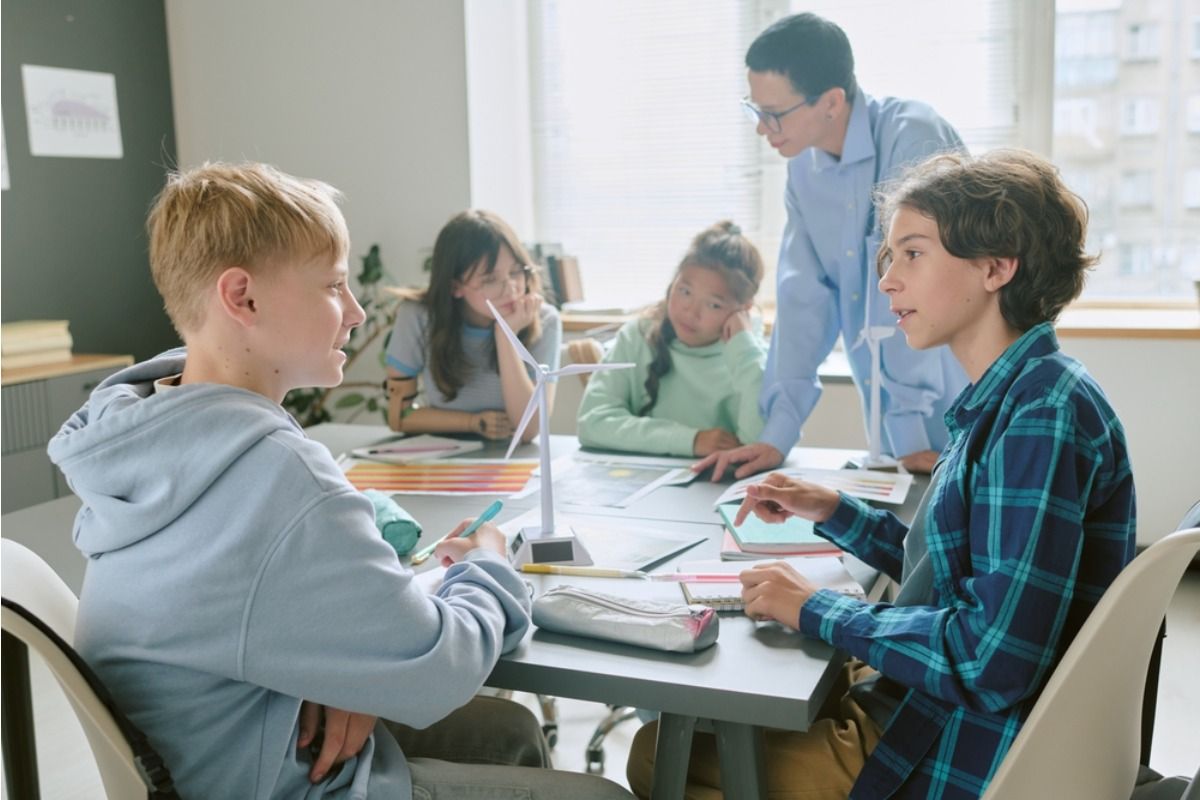
Modern group assignments sometimes involve presentations, visuals, or digital components. These can require tools, time, and guidance beyond what students can manage alone. As complexity increases, so does the likelihood of parental involvement. Expectations may exceed students’ independent abilities. This raises questions about who is actually completing the work.
Learning Benefits Are Still Recognized
Despite the challenges, group projects do help students develop collaboration and communication skills. Working with others teaches compromise and shared responsibility. These are valuable long-term skills. However, the execution does not always match the intention. The benefits depend on how projects are managed.
Parents Feel Responsible for Outcomes
Even when projects are assigned to students, parents often feel accountable for the final result. This can lead to stepping in more than intended. No parent wants their child to fall behind due to group issues. This sense of responsibility increases involvement. Over time, it becomes expected rather than occasional.
Time Outside School Is Already Limited
After-school hours are already filled with homework, activities, and family responsibilities. Adding group coordination on top of this creates additional strain. Evenings can become crowded with tasks. This reduces downtime for both kids and parents. The schedule becomes harder to manage.
Not All Students Have Equal Support
Some children have more help at home than others, which can affect group outcomes. This creates an uneven playing field. Projects may reflect parental support rather than student ability. This raises fairness concerns. The gap becomes more visible in collaborative work.
Parents Are Asking for Clearer Boundaries
Many families are not against group work but want clearer expectations about what students should handle independently. Limiting the scope or keeping collaboration within school hours could help. Simpler structures may reduce outside involvement. Clarity can make a big difference.
Balancing Collaboration With Independence
The goal of group projects is to teach teamwork, but they also need to support individual responsibility. Finding the right balance is key. When managed well, they can be effective learning tools. When not, they shift too much burden onto families. The challenge is keeping the focus on student learning.
Group projects continue to be a valuable part of education, but for many families, the experience is becoming more demanding than expected. The focus now is on making collaboration meaningful without turning it into extra work at home.