Lunch Policies Are Getting Stricter and Families Say “We Can’t Even Pack What Our Kids Like Anymore”

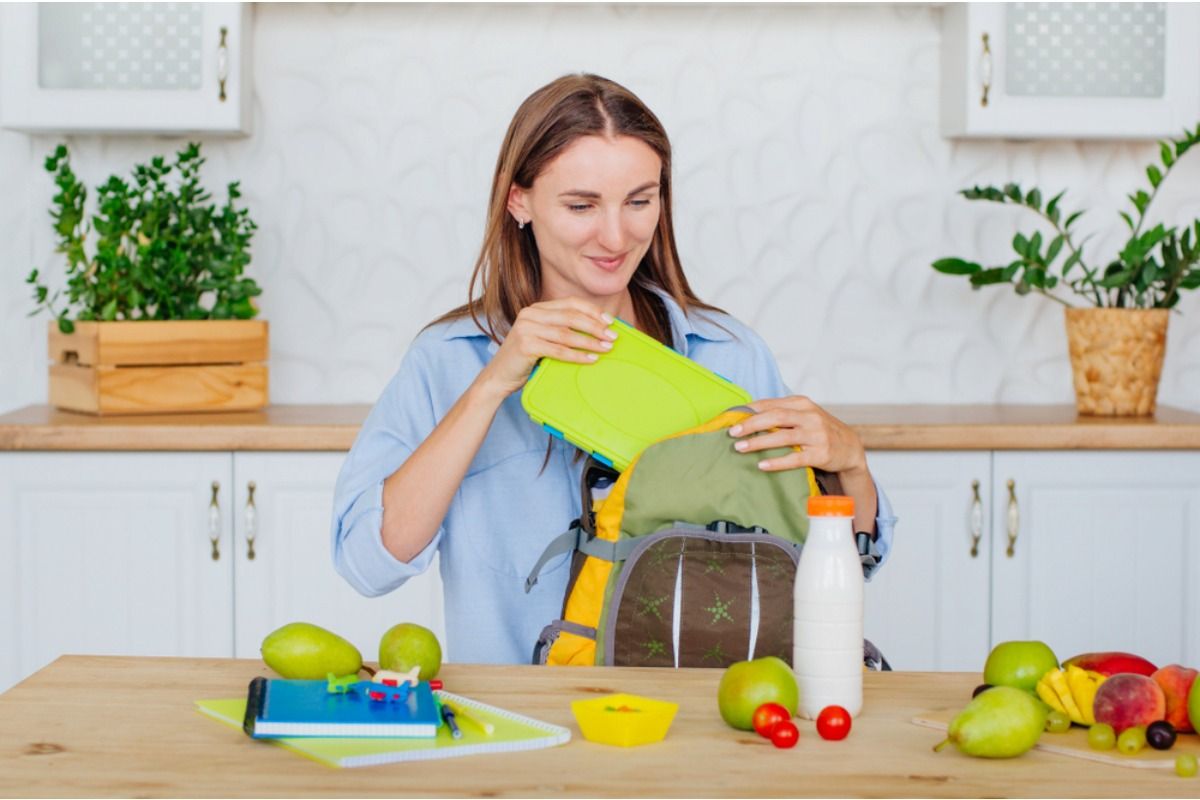
School lunch policies are becoming more restrictive in many places, and some families say it’s limiting what they can pack for their kids. What’s intended to promote healthier habits is, for some, creating frustration at home.
Stricter Rules Are Limiting Food Choices
Many schools now have detailed guidelines on what can and cannot be packed. This can include restrictions on sugary snacks, processed foods, or even certain ingredients. While the goal is to encourage healthier eating, it reduces flexibility for families. Parents often feel their options are narrowed significantly. Packing lunch becomes more complicated than before. What used to be simple choices now require more thought and adjustment.
Kids Are Resisting Unfamiliar or Restricted Foods
When favorite snacks or meals are no longer allowed, some kids are less willing to eat what’s packed. This can lead to uneaten lunches and wasted food. Children may feel frustrated if their preferences are not considered. It can also make school lunch less enjoyable. Parents are left trying to balance rules with what their child will actually eat. The result is often trial and error.
Parents Feel Their Choices Are Being Controlled
Some families feel that decisions about food should remain at home rather than school. Strict policies can feel like overreach into personal choices. This creates tension between school guidelines and family preferences. Even well-intended rules may not fit every household. Parents want flexibility to decide what works best for their child. The issue becomes about control as much as nutrition.
Preparation Takes More Time and Effort
Following detailed lunch guidelines often requires extra planning. Parents may need to prepare more fresh or specific foods instead of quick options. This adds time to already busy mornings. Finding acceptable alternatives can take effort. The convenience of packing lunch is reduced. Daily routines become slightly more demanding.
Health Goals Are Behind the Policies
Schools are often trying to improve overall nutrition and reduce unhealthy eating habits. These policies aim to create a consistent environment for all students. Encouraging balanced meals can have long-term benefits. However, implementation can feel strict in practice. The intention is positive, but the experience varies.
Differences Between Schools Create Confusion
Lunch rules are not always the same everywhere. What is allowed in one school may not be allowed in another. This inconsistency can confuse families, especially those with children in different schools. Parents have to adjust to different expectations. It adds another layer of complexity. Clear communication is not always guaranteed.
Social Comparisons Still Happen
Even with restrictions, kids still notice what others bring. Differences in lunches can still lead to comparison or comments. Policies may reduce some items but don’t eliminate social dynamics. Children remain aware of what’s considered “better” or more desirable. This keeps pressure present in a different form.
Some Families Are Turning to School Meals Instead
To avoid the hassle of packing within strict rules, some parents choose school-provided lunches. This shifts responsibility back to the school. However, not all children prefer these options. It’s a practical solution, but not always ideal. Choice becomes limited in a different way.
Parents Are Asking for More Flexibility
Many families support healthy eating but want more balanced guidelines. Allowing occasional treats or broader options could reduce frustration. Flexibility could make policies easier to follow. Parents are looking for a middle ground. Strict rules may work better with some adjustment.
Balancing Health and Practicality Is the Challenge
The core issue is finding a balance between promoting nutrition and respecting family preferences. Too much restriction can create resistance, while too little may not meet health goals. Schools and families are trying to find common ground. The conversation is ongoing.
As lunch policies become stricter, families are adapting in different ways. For many, the goal is not to oppose healthy habits, but to maintain flexibility so that school lunches remain practical, enjoyable, and realistic for everyday life.