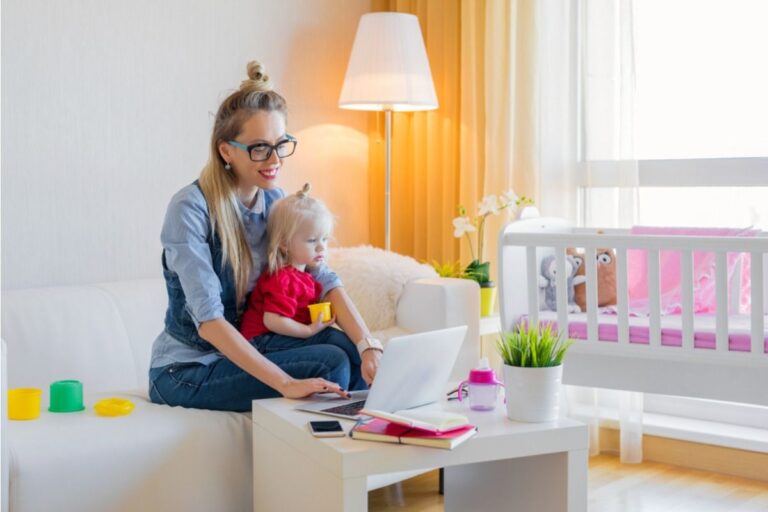
She Gave Birth, Then Checked Her Work Messages Hours Later. Her Confession Struck a Nerve with Parents Everywhere

For many new parents, childbirth marks a clear pause—a moment when everything else is supposed to fade into the background. But one mother says that wasn’t the case for her. Just hours after giving birth, she found herself checking work messages, unable to fully disconnect even during one of the most physically and emotionally intense moments of her life.
Her story, shared publicly, struck a nerve with parents everywhere.
“Work Was the One Part of My Life I Didn’t Want to Let Go Of”
In her account, the new mom explained that while labor, delivery, and recovery were overwhelming, work felt familiar and grounding. Amid the uncertainty and vulnerability of becoming a parent, checking emails and staying looped in offered a sense of control.
She admitted that stepping away from work, even temporarily, made her feel uneasy, as if asking for help or pausing her professional identity meant weakness. That mindset followed her straight into the hospital room.
The Darkness Crept In
She shared on AOL that by her six-week postpartum checkup, the world was entering lockdown. The pandemic had abruptly cut off support systems, leaving many new parents isolated. When her doctor asked how she was feeling, she described a mix of emotions that didn’t seem to make sense together, grateful, but empty; fortunate, but numb; deeply loved, yet disconnected from herself.
Her doctor suggested adjusting her anxiety medication and encouraged her to speak with a therapist. She agreed at the time but didn’t follow through right away. She later wrote that exhaustion played a role, she didn’t feel capable of taking on anything else, even steps meant to help her feel better.
Over the following weeks, she says her emotional state continued to decline. The days blended together, shaped by isolation, lack of sleep, and the pressure she felt to function as if everything was fine. She described feeling increasingly detached and overwhelmed, struggling to recognize herself during that period.
She later shared that she experienced a moment that deeply unsettled her and made her realize how far she had drifted from herself. The reaction, she said, was immediate guilt and confusion, questioning how she could feel such distress while also knowing she had so much to be thankful for. In retrospect, she recognized this as part of how postpartum depression affected her thinking.
What interrupted that moment, she said, was the sound of her baby crying. She went back inside, picked up her daughter, and felt anchored in the responsibility and connection of caring for her. While she has been clear that this moment did not “fix” everything, she describes it as a turning point, one that helped her recognize she needed support.
Not long after, she began therapy.
Reclaiming Herself
She has since reflected that recovery was gradual. Therapy helped her understand that motherhood did not require losing her identity, but adapting to a version of herself she was still getting to know.
She began accepting help from her husband, taking short walks, journaling, and slowly returning to exercise, not with the goal of changing her appearance, but to feel more present and capable in her body.
When she returned to work four months later, it was still during the height of the pandemic. A colleague asked how her “vacation” had been, an offhand comment that, for her, highlighted the gap between how parental leave is often perceived and what the experience actually involves.
She later reflected that moments like that underscored how disconnected workplace culture can be from the realities of childbirth and recovery. Many women, she noted, return to work before they feel fully ready, expected to resume normal productivity despite profound physical and emotional changes.
Why So Many Parents Related Instantly
The response to her story was immediate and emotional. Many parents said they recognized themselves in her words, especially mothers who feel pressure to prove they can “do it all.”
For some, the urge to stay connected to work isn’t about ambition. It’s about fear:
- Fear of falling behind
- Fear of being replaced
- Fear of losing a part of themselves outside of parenting
Her experience highlighted how deeply work culture can shape identity, even at moments when rest and recovery should be the priority.
The Invisible Pressure on New Mothers
Experts often point out that postpartum recovery is not just physical, it’s psychological. Hormonal shifts, exhaustion, and emotional vulnerability collide at once. Adding workplace expectations to that mix can intensify stress and delay healing.
This story also underscores a broader issue: many parents don’t feel truly “allowed” to unplug, even when they technically have leave. The pressure is internal, cultural, and systemic all at the same time.
A Growing Conversation About Boundaries After Birth
While some readers empathized, others said the story made them sad, or angry, about how normalized this behavior has become. They questioned why checking work messages after childbirth feels understandable instead of alarming.
The discussion quickly widened into conversations about parental leave, workplace boundaries, and why so many parents feel guilty for needing rest.
What This Story Really Reveals
At its core, this isn’t just a story about one woman and her inbox. It’s about how modern work culture follows people into moments that should be protected, and how hard it can be to step away without feeling like you’re failing at something.
For many parents, her confession wasn’t shocking. It was familiar.
Source: This article is based on reporting from AOL.:
https://www.aol.com/articles/gave-birth-baby-then-checked-164901246.html