A Teacher Says a Student Asked Her if It’s Normal to Be the One Who Apologizes First Every Time His Parents Fight

It started with something so quiet that it almost didn’t register as anything unusual. A middle school teacher in Ohio noticed a student lingering after class, hands tucked into his sleeves, eyes fixed on the floor instead of the door. He asked a question that didn’t match the usual concerns about homework or grades. It was careful, rehearsed in a way that made it feel heavier than it should have been. She thought at first he was talking about a friend, until the details slowly pointed somewhere more personal.
A Quiet Comment After Class
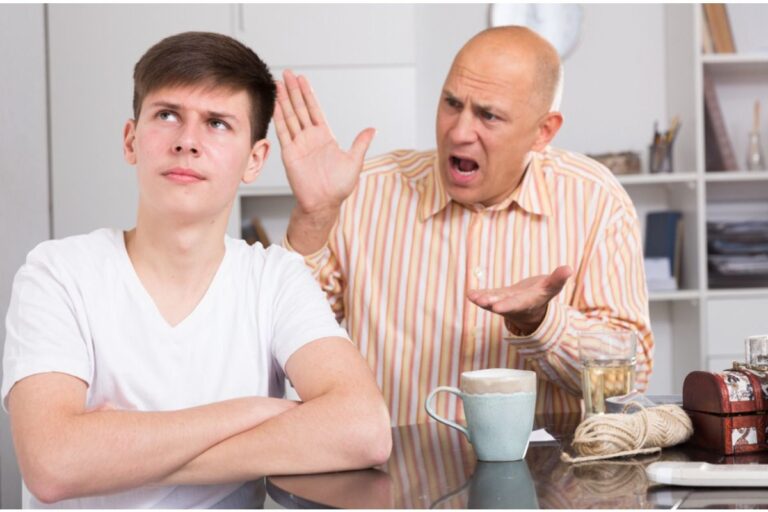
The student stayed back while the rest of the class rushed out into the hallway noise. He kept twisting the strap of his backpack like he was deciding whether he should even be speaking. Then he asked if it was normal to always be the one who says sorry first when adults argue at home. The teacher paused because the question did not fit anything in her usual scripts for student concerns. She asked him gently what he meant, and he immediately tried to back away from it. Before leaving, he added that it happens almost every time his parents argue.
The First Time She Noticed the Pattern
Over the next week, the teacher started paying closer attention to him in class. He was usually prepared, quiet, and careful not to take up space in group work. But there was a hesitancy in how quickly he agreed with others, even when he was correct. When she asked a question directly, he often prefaced his answers with apologies. It began to feel like that one conversation had opened a window she could not close.
A Question That Did Not Sound Like a Child’s
During a classroom discussion, he raised his hand again but waited until the very end of the period to speak. He asked if people can get used to fixing things even when they did not cause the problem. The room went silent for a moment because the question felt older than the student asking it. Another student shrugged it off, but the teacher noticed how serious his expression stayed. She told the class it was an interesting thought and ended the discussion, but she kept thinking about it afterward.
Lunch Duty and the Hesitation
On lunch duty, she saw him sitting alone, picking at his food without really eating. A group of boys nearby joked loudly, and he briefly looked up before looking away again. When one of them waved him over, he shook his head politely and stayed where he was. She walked past his table and asked casually how his day was going. He said it was fine, then quickly added that he was sorry for not saying anything more interesting.
The Notebook He Kept Folding Shut
A few days later, she noticed him writing during independent work time but closing his notebook whenever someone walked near. Curiosity got the better of her, and she asked what he was working on. He said it was nothing important and immediately tried to hide the pages. After class, he left the room quickly, but the notebook slipped off his desk and landed open for a moment. She only saw a few lines about arguments at home and how he tries to calm things down before they get worse.
The Playground Moment That Changed Tone
While supervising recess, she saw him standing near the edge of the playground instead of joining the others. Two students were arguing nearby over something small, a game rule that had gone wrong. Before any adult could step in, he walked over and tried to smooth things out between them. He kept apologizing on their behalf even though neither had asked him to intervene. When the bell rang, he looked more relieved that the argument ended than the others involved.
A Call From the School Counselor
The teacher decided to speak with the school counselor, describing what she had been noticing over the past weeks. The counselor nodded slowly, saying they had seen similar patterns in students exposed to frequent household conflict. They agreed it was not about blame but about how children adapt to unstable environments. The counselor suggested keeping an open line of communication with the student without pushing too hard at once. It was decided that the teacher would continue observing and gently checking in.
The Student Finally Explains the Apology Habit
A few days later, he stayed after class again, this time without being prompted. He said he thought maybe something was wrong with him because he always felt responsible for stopping fights. He explained that when his parents argue, he often tries to step in and say sorry so things calm down faster. It does not always work, but he feels like if he stops trying, things might get worse. The teacher listened without interrupting, letting him speak at his own pace.
What He Overheard at Home One Night
He described one night when the argument got louder than usual and he stayed outside his parents’ room. He said he heard his name mentioned more than once, which made him feel like the center of the problem. After that night, he started believing that apologizing first could prevent things from escalating. He admitted he was not sure if that made sense, but it felt necessary at the time. The teacher realized he had built a kind of rule system to survive uncertainty.
The Teacher’s Attempt to Reframe Responsibility
The teacher carefully told him that adults are responsible for their own conflicts, not children. She explained that stepping in might feel helpful, but it is not his job to manage their emotions. He looked uncomfortable, like the idea was both relieving and hard to accept at the same time. She suggested that caring about people does not mean taking responsibility for everything they feel. He nodded slowly, but did not fully respond.
The Parent Meeting That Did Not Go Smoothly
A meeting was arranged with his parents through the school counselor. At first, both parents insisted that their arguments were normal and not something the child needed to worry about. When the teacher shared what the student had expressed, the room became tense and quiet. One parent seemed surprised, while the other dismissed it as overthinking. The conversation ended without resolution, but with an agreement to pay more attention to how disagreements were handled at home.
A Small Shift in the Student’s Behavior
Over the following weeks, the teacher noticed subtle changes in how he reacted during class. He still apologized sometimes, but not as often or as automatically as before. He began staying a little longer in group discussions without withdrawing immediately afterward. One afternoon, he answered a question and simply moved on without correcting himself or apologizing. It was a small moment, but it felt like the first sign that he was learning where responsibility actually belonged.