Man Says His Fiancée Thinks He’s Too Calm During Conflict, “She Wanted Me to Escalate Things With Her”

When a disagreement in a relationship becomes a test, it’s not always about who’s right—it’s about how two people expect each other to react. That tension exploded for one soon-to-be husband who shared his frustration on social media his fiancée told him he was “too calm” during arguments and, shockingly, that she wanted him to escalate things with her. What followed was a raw, uncomfortable exchange that tapped into a wider conversation about conflict styles, emotional validation and what we actually need from our partners when we’re upset.
The social media post that started the conversation
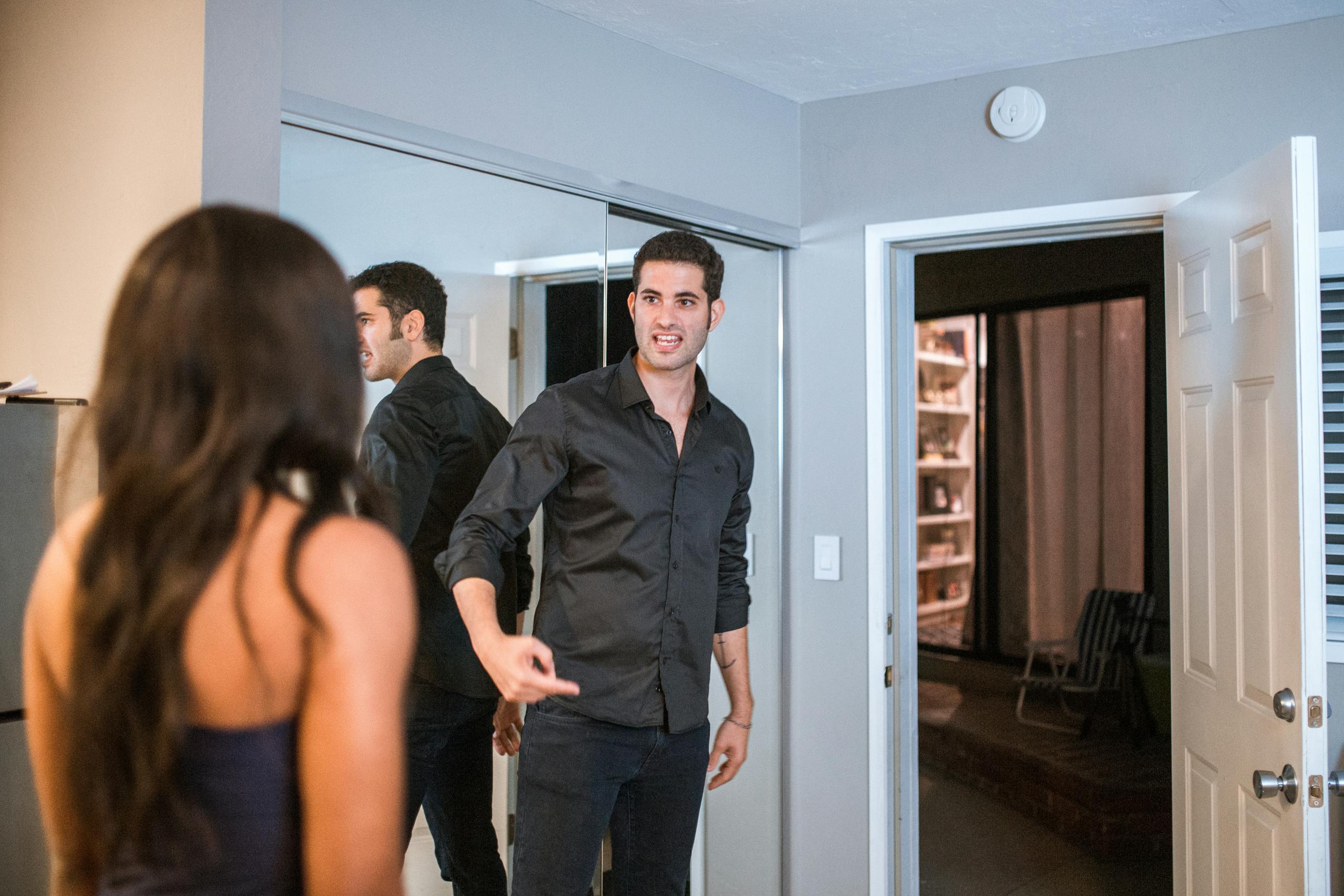
In a candid AITA post, the man explained that he deliberately stays calm during disagreements. He said he tries to de-escalate, focus on solutions and avoid raising his voice. His fiancée, he wrote, reacted by accusing him of being emotionally distant and insisted that his calmness made her feel unheard. According to the post, she even told him she expected—wanted—him to escalate alongside her, essentially to mirror her anger and confrontation. He was stunned: he thought calming things down was helpful, but she framed it as a lack of care. He asked strangers: was he wrong to keep his cool?
Why calm can be misread as indifference
There’s a deep paradox in how people interpret emotional tone. For someone in a heated emotional state, a partner’s calmness can read as coldness. When a person expects their partner to match intensity, a low-reactive response may feel like dismissal, and that triggers secondary hurt. The issue isn’t the calm itself so much as what the calm is being mistaken for—apathy, avoidance, or refusal to engage.
At the same time, mirroring anger can be risky. Escalation often amplifies the emotional charge and moves the conversation away from resolving the underlying issue. The man’s instinct to defuse is healthy in many contexts. But without explicit communication about what each partner needs in a moment of conflict, either approach can feel invalidating.
Where expectations clashed
The heart of this dispute is a mismatch of expectations. The fiancée appeared to equate emotional intensity with investment—if he didn’t match her volume or anger, she concluded he didn’t care. He, meanwhile, believed his responsibility was to keep the situation from spiraling and to focus on practical fixes.
Relationships require negotiated rituals for arguments. Some people need to vent and expect a partner to ride the wave with them before cooling down; others need calm to think straight. Problems arise when partners assume the other should intuitively know which is which. Without talking about those needs, simple conflicts turn into character judgments: “You’re too calm” becomes “You don’t feel anything for me.”
How the online community reacted
The social media post thread drew strong reactions, as these stories often do. Many readers empathized with the man’s desire to de-escalate, pointing out that staying calm can prevent hurtful things being said in the heat of the moment. Others emphasized that emotional attunement matters—that sometimes being present in someone’s storm means showing the storm you see it, not always waiting for it to pass.
Advice varied from suggesting couples therapy to recommending clear “pre-game” conversations about how to handle fights. A common thread in the comments was the reminder that neither escalation nor suppression is a one-size-fits-all answer; the healthy route is mutual understanding and agreed-upon ways to reconnect after conflict.
Practical ways to bridge conflict-style differences
If you recognize this pattern in your relationship, there are practical steps you can take. Start by naming the conflict style difference in a calm moment: say, “I notice you feel hurt when I stay calm during fights—can we talk about what you need?” Use curiosity rather than accusation. Ask what validation looks like to your partner and share what helps you stay engaged without losing control. Establish signals or phrases that mean “I’m here with you” even if you’re not mirroring intensity.
Consider short “time-outs” when a discussion is getting too heated, with a promise to return and revisit the issue. You can also practice active listening techniques—reflecting back, validating emotions, and summarizing concerns—so a partner feels heard without necessarily escalating. If repeated misunderstandings persist, couples therapy or mediation can help translate emotional expectations into concrete behaviors.
What To Keep In Mind
When conflict styles collide, remember that neither partner’s instinct is inherently wrong—only different. Calmness can be caring; intensity can be a plea for connection. The remedy is not choosing which style is better, but learning how to show care in a way the other person recognizes. Talk about what “feeling heard” looks like for each of you, agree on signs that you’re present even when you’re calm, and set boundaries about escalation so arguments don’t cause more damage than the problem itself.
Relationships grow when partners translate emotional reactions into requests and when they collectively design rituals for repair. If both people are willing to learn each other’s language of upset—and to meet halfway—the hurt that starts a fight can become the very thing that pulls a couple closer.