10 Signs Your Parenting Style Is Creating a Calm

Ever wonder if the way you parent is truly making your home a peaceful place for your kids? Parenting can feel overwhelming, and sometimes it’s hard to see if what you’re doing is actually helping your family feel calm and connected.
Spotting the real signs that your parenting style is working can be reassuring. When you notice these signs, it’s easier to keep going and feel good about the choices you’re making for your family.
Children seek comfort from you when upset, showing trust and security

When your child comes to you after they are upset, it means they trust you. This is a clear sign they feel safe and secure in your care.
They believe you will help them feel better. Kids who feel this way know they can count on you.
They don’t have to face their fears or worries alone. This trust makes them more confident to handle challenges.
You becoming their safe place is powerful. It helps them calm down and learn to manage strong feelings.
When you respond kindly and patiently, you strengthen your bond even more. Even if your child doesn’t always come right away, keep being there.
Your steady care builds a connection that lasts. This kind of secure attachment supports your child’s growth and happiness every day.
Your child confidently explores new environments, knowing you’re a safe base

When your child feels safe with you, they become brave explorers. They step into new places and try new things because they know you are nearby.
You are the safe base they return to when they need comfort. Your presence shows your child that the world isn’t so scary.
Even in unfamiliar settings, your child feels strong and secure. This trust helps them learn and grow without fear.
You support their adventures by being calm and attentive. When they look back for reassurance, you offer warmth and understanding.
By being emotionally available, you create a space where your child can explore freely. Your steady care helps them face challenges with courage.
Calm, consistent responses to behavior foster emotional resilience

When you respond to your child’s behavior with calmness and consistency, you help them feel safe and understood. This steady approach teaches kids that emotions can be managed without fear or chaos.
By staying calm, you show your child how to handle stress and frustration in healthy ways. Your steady reactions give them a clear example of emotional control.
Consistency matters a lot. When your child knows what to expect from your responses, they feel more secure.
Avoid reacting with anger or confusion. Instead, use calm words and steady actions to guide your child.
This builds their emotional resilience, making them better prepared for tough moments later in life.
You use positive discipline, replacing punishment with loving guidance

You choose to guide your child with kindness instead of punishment. This means you focus on teaching them why their actions matter.
When you use positive discipline, you help your child learn self-control and responsibility in a caring way. Instead of yelling or punishing, you stay calm and patient.
You take time to understand why your child behaved a certain way. This shows your child that their feelings are important and that you want to help them grow.
You set clear rules while staying firm but loving. Your child feels safe because they know what to expect.
Using positive discipline also means you encourage good behavior by praising efforts, not just results. Your child feels motivated to do better because they know you believe in them.
Daily routines provide stability, making home life predictable and safe

When you set up daily routines, your home becomes a place where everyone knows what to expect. This predictability helps children feel safe and secure because they aren’t worried about surprises or sudden changes.
When kids know the plan, they can relax and focus on what matters. Routines give your family a sense of order.
Morning, mealtime, and bedtime schedules create regular patterns that make the day smooth and less stressful. You’ll notice that your children behave better and handle challenges more calmly when their day follows familiar steps.
Also, routines help you build trust with your kids. They learn that you are reliable and that their needs are met consistently.
Plus, routines can be fun, like family dinners or bedtime stories, giving your family moments to connect and build strong bonds.
Open communication flows freely; your child feels heard and understood
You create a space where your child can share their thoughts without fear. When your child talks, you listen closely and show that their feelings matter.
This helps them feel safe and more willing to open up. Your questions are thoughtful and gentle, not forcing conversations but inviting them.
You stay patient and avoid judgment, so your child knows they can trust you with their true feelings. You show interest by paying attention and responding with kindness.
This builds a strong bond where your child feels valued and understood. By encouraging honesty and being approachable, you help your child express themselves freely.
This kind of open communication calms worries and supports their emotional growth.
When your child feels heard, their confidence increases. They learn that it’s okay to share both happy moments and struggles with you.
Your child shows excitement and warmth when you return after absence
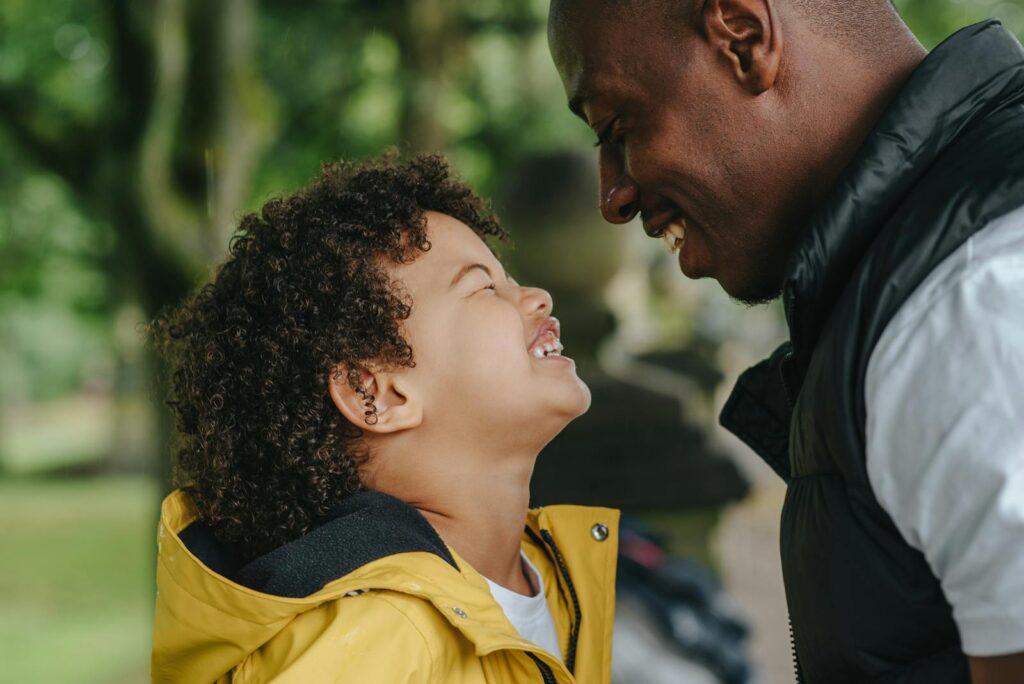
When you come home, your child’s happy reaction tells you a lot. They might run to you, smile big, or give you a hug right away.
This shows they feel safe and connected to you. Warm greetings mean your child trusts you.
They feel calm because they know you care and will be there. This excitement is a sign of a strong bond between you.
You can help this feeling grow by being present and open when you return. Take time to listen and show interest in their day.
If your child acts excited when you’re back, it means your parenting style encourages warmth and closeness. It’s a sign that your home is a calm place where your child feels loved.
Clear and consistent boundaries help your child feel secure and confident

When you set clear boundaries, your child knows what to expect. This predictability creates a safe space where they can explore and grow without worry.
It helps reduce anxiety because your child understands the rules and limits. Consistency is key.
If the rules sometimes change or aren’t enforced, your child might feel confused or unsafe. But when you follow through with clear limits, you show that you are in control, giving your child confidence in their environment.
Boundaries also teach your child important skills like self-discipline and respect. They learn how to handle expectations and navigate social situations.
By being loving yet firm with your boundaries, you create a calm home where your child feels supported. Your clear guidance helps them become confident in themselves and their choices.
You nurture strong emotional connections through quality time together
You make time for your family a real priority. When you spend moments together, even simple ones count.
Playing games, sharing meals, or just talking helps build a strong bond. These moments show your children they matter to you.
It creates a safe space where they feel loved and heard. Your attention helps them trust you and feel secure.
Trying new activities as a family can be fun and bring you closer. When you explore things together, you create memories that make your connection stronger.
By being fully present, you show respect and care. It helps everyone relax and share their feelings.
Quality time isn’t just about quantity; it’s about being truly there. Your consistent effort helps your home feel peaceful and welcoming every day.
Your household atmosphere feels peaceful, supportive, and free of stress
You notice a calm vibe the moment you walk into your home. There’s less yelling or tension, and family members seem more relaxed.
This peaceful feeling shows that your parenting helps create a safe and steady environment. Your home feels like a place where everyone is supported.
Family members listen to each other and offer help when needed. You make sure everyone feels heard and valued, which builds trust and comfort.
Stress doesn’t take over your household. Even when challenges come up, you guide your family with patience and clear communication.
You’ve created a space where emotions can be shared without fear. Kids feel safe to express themselves, and you respond calmly.
Keeping your home peaceful isn’t always easy, but your effort to stay calm and supportive shows. It’s a strong sign your parenting style is helping your family feel secure and cared for every day.
How Parenting Styles Influence Home Atmosphere

The way you parent shapes the feelings and energy at home. Your actions and reactions build a foundation for how safe and calm your children feel each day.
Your style sets the mood in your family, affecting both behavior and emotions.
The Connection Between Parental Behavior and Emotional Security
Your consistent behavior creates a sense of safety for your child. When you set clear rules but stay warm and supportive, your child feels secure.
This balance helps them trust you and feel comfortable sharing their feelings. Kids notice when you follow through on promises and explain the reasons behind rules.
This clear communication reduces confusion and anxiety. It also supports their emotional growth by helping them understand what’s expected.
In homes where parents are overly strict or distant, kids often feel tense or unsure. But when you combine kindness and structure, you build a calm and predictable environment where your child can relax and thrive.
Modeling Calm Responses in Challenging Situations
How you respond to stress teaches your child how to handle their own emotions. If you stay calm during hard moments, your child learns to stay steady too.
Showing patience and using a soft voice during conflicts sends the message that tough times can be managed without anger. Your calm example helps lower tension, making the household feel safe even when things go wrong.
By handling challenges with control, you create a peaceful rhythm at home. Your child watches and learns that calm behavior is a powerful tool for keeping peace in any situation.
Positive Impacts on Child Development
Kids thrive when they know they are safe and loved. This sense of security gives them the courage to try new things and handle tough emotions.
You might see your child becoming more curious each day. Confidence grows when children feel supported at home.
As they explore, their brains develop in healthy ways. Feeling understood helps build self-esteem that lasts.
Children who feel secure often bounce back from challenges with more ease. This resilience helps them face obstacles at school and beyond.
Strengthening Family Relationships
Ever notice how your mood sets the tone for everyone else at home? Your calm and responsive parenting style builds trust between you and your family.
When your child knows they can count on you, it creates a deep, loving bond. This strong connection makes your home more peaceful.
Everyone feels more accepted and respected. When conflict happens, it gets resolved faster because of open communication.
As your family grows, these positive interactions help keep relationships solid. Your children learn to treat others with kindness and understanding.
This helps them develop healthy friendships and future partnerships.