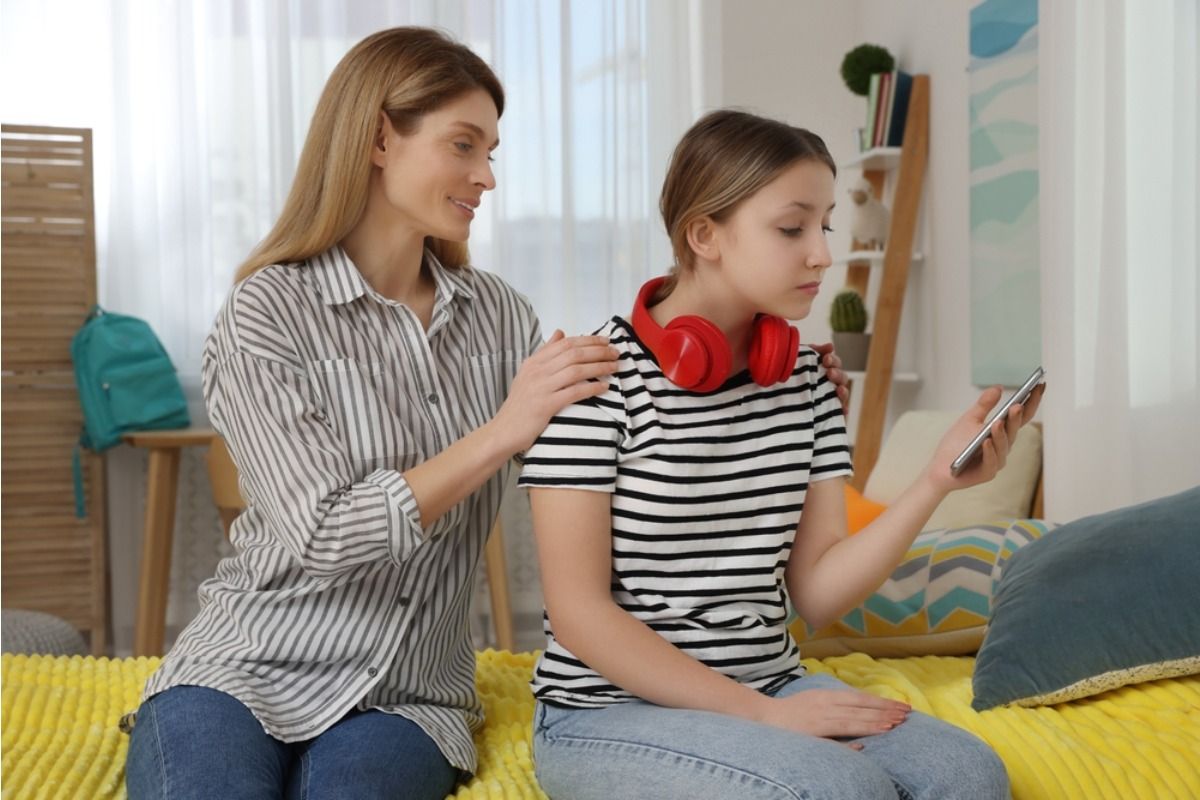
Mom Says She Refused to Let Her Child Attend a Late-Night Event, Now the Kid Says She’s “The Only Strict Parent”

A mom says she refused to let her child attend a late-night event, and what she saw as a reasonable safety decision has now turned into a tense back-and-forth about fairness, trust, and feeling different from everyone else.
The Event Was a Big Deal Socially
For her child, the event wasn’t just another outing. It was something many classmates were planning to attend. There was excitement around it for days. It felt like an important social moment. And missing it seemed like missing out on more than just the event.
The Timing Raised Immediate Concerns
The event was scheduled late into the night. Travel back home would happen well after normal hours. For the mom, that alone was a concern. She thought about safety, supervision, and logistics. And that shaped her initial reaction.
She Made a Clear Decision Early
After considering everything, she said no. She didn’t leave the decision open-ended. From her perspective, it was better to be clear from the start. Even if it caused disappointment. And she stood by that choice.
The Reaction Was Immediate
Her child was upset right away. The refusal felt unfair compared to what others were allowed to do. It wasn’t just disappointment, it felt personal. And that emotion came out strongly during their conversation.
The Phrase “Only Strict Parent” Came Up
During the argument, her child said she was the only strict parent. That comparison made the situation more intense. It shifted the focus to what others were allowed. And made her decision feel isolated.
She Focused on Safety Over Comparison
From her perspective, other families’ decisions didn’t change her concerns. She believed every parent sets boundaries differently. And that safety should come first. Even if it meant being stricter than others.
Her Child Focused on Feeling Left Out
On the other side, her child felt excluded. Seeing friends attend made the difference more visible. It wasn’t just about the event, it was about belonging. And not feeling different.
The Conversation Became Repetitive
They discussed the issue multiple times. Each time, the same points came up. Safety versus fairness. Responsibility versus independence. And neither side fully changed their view.
Alternative Options Were Considered
At one point, they talked about possible compromises. Earlier return times or supervised travel. But none felt fully satisfying. The gap between comfort levels remained.
The Tension Lasted Beyond the Event
Even after the event passed, the disagreement didn’t fully disappear. It affected how they approached future plans. And made similar discussions more sensitive.
A Balance Between Protection and Independence
In the end, the situation isn’t just about one late-night event, it’s about how families navigate the balance between keeping children safe and allowing them to feel included as they grow more independent.