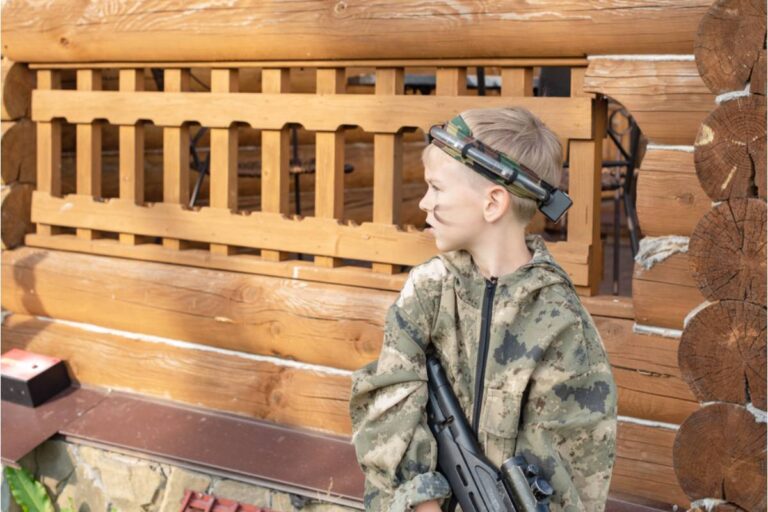
A Teacher Says a Student Asked Her if She Would Still Like Him if He Wasn’t Good at Anything

A classroom aide first mentioned it in passing during lunch duty, saying one of the students had asked a question that felt heavier than it should have. Ms. Alvarez almost dismissed it until she heard the exact wording repeated back. A student had looked at her during reading period and asked if she would still like him if he was not good at anything. The aide said the room went quiet right after. Ms. Alvarez felt the question stick in her mind longer than the school day itself.
The Student Who Asked It Without Warning
The student was Caleb, a quiet seventh grader who rarely caused trouble but also rarely volunteered answers. He had asked the question right after a group reading exercise where he struggled with pronunciation. Ms. Alvarez remembered how he kept his eyes on his desk afterward. There was no joke in his tone when he asked her. It sounded like he genuinely needed to know the answer.
The Classroom That Did Not React at First
Most of the class had not fully processed what he said in the moment. A few students laughed nervously, unsure if it was meant to be serious or not. Ms. Alvarez stopped the activity immediately and told everyone to continue reading silently. Caleb did not speak again for the rest of the period. That silence felt different from his usual quietness.
The Note Sent to the Counselor
After school, Ms. Alvarez wrote a short report to the school counselor describing the interaction. She avoided dramatic language, focusing only on what was said and how Caleb reacted. The counselor replied quickly asking if there had been any recent changes in behavior. Ms. Alvarez realized she did not have a clear answer to that question. Caleb had always been quiet, but this felt new.
The Parent Call That Raised More Questions
The school contacted Caleb’s mother later that day to share the concern. His mother sounded surprised and slightly defensive at first. She said Caleb had been under pressure to improve his grades and often compared himself to his older brother. The counselor asked if Caleb had been withdrawing at home. There was a pause before she admitted he had been spending most evenings alone in his room.
The Next Day in Class Felt Different
When Caleb arrived the next morning, he looked tired in a way that was easy to miss unless you were paying attention. Ms. Alvarez greeted him like usual, but he barely responded. During group work, he avoided speaking entirely. One student tried to include him, but he quietly stepped back. The confidence he usually lacked had been replaced by something heavier.
The Moment He Stayed After Class
After the final bell, Caleb did not leave with the other students. He stayed seated while the room emptied, pretending to organize his backpack. Ms. Alvarez asked if he needed help with anything. He hesitated for a long time before shaking his head. Then he quietly asked if she had meant what she said when she told the class she cared about all of them equally.
The Question That Was Really About Something Else
Ms. Alvarez asked him what he meant, and Caleb finally spoke more clearly. He said he felt like everyone only cared when he did something right. He mentioned tests, sports tryouts, and even small classroom tasks. His voice stayed flat, but his hands kept tightening around his backpack strap. It was less a question about her feelings and more about whether he had any value when he was not performing.
The Counselor Joins the Conversation
The school counselor was brought in the next morning to meet with Caleb during a free period. At first, he answered with short phrases and avoided eye contact. But slowly, he admitted he felt like he was always being measured against someone better. He said it felt like there was no version of him that was enough. The counselor did not interrupt, only letting him keep talking.
The Teacher’s Memory of What Was Missed
Ms. Alvarez later realized there had been small signs she overlooked. Caleb often erased answers immediately after writing them, even when they were correct. He rarely raised his hand unless he was absolutely sure. She had assumed it was shyness, not fear of being wrong. Looking back, those moments felt more connected than she had understood.
The Class Discussion That Followed
The next day, Ms. Alvarez introduced a general discussion about mistakes and learning. She did not mention Caleb directly, but the topic felt carefully chosen. Some students admitted they hated being wrong in front of others. Caleb listened without speaking, but he stayed present in a way he had not before. It was the first time he did not shut down completely during class.
The Small Change After Lunch
After lunch, a student invited Caleb to join a group project. He hesitated, then quietly agreed. He did not suddenly become outgoing, but he stayed in the group without pulling away. Ms. Alvarez noticed he contributed one small idea without being prompted. It was brief, but it was the first voluntary participation she had seen in weeks.
The Email from His Mother
That evening, Caleb’s mother emailed Ms. Alvarez thanking her for taking the situation seriously. She admitted she had been worried about how much pressure she was putting on him. She said she had not realized how deeply he was interpreting expectations. The message ended with a request to keep her updated. It was written with a tone of concern rather than defensiveness now.
The Question That Still Lingered
Days later, the classroom returned to its usual rhythm of assignments and routines. Caleb was still quiet, but less withdrawn than before. Ms. Alvarez noticed he no longer erased answers as quickly. The original question he asked was never repeated. But it stayed in the background of every interaction she had with him after that.