A Teacher Says a Student Raised His Hand for the First Time All Year Last Thursday, and Nobody in the Room Made a Big Deal of It on Purpose

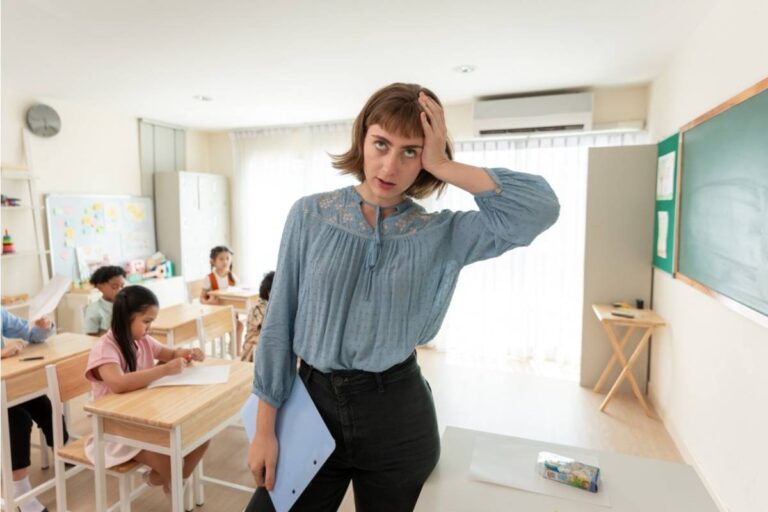
Mrs. Carter had been teaching middle school English long enough to recognize that every classroom carried quiet stories no one else noticed. Some students filled every silence with questions while others seemed determined to disappear into the background.
One boy named Noah had gone through nearly the entire school year without volunteering a single answer. His assignments were always complete, his grades were respectable, but he never spoke unless someone addressed him directly. Then something happened that reminded everyone in the room how powerful the smallest moments can be.
The Student Who Chose the Back Corner
From the first week of school, Noah claimed the same seat in the back corner of the classroom. He arrived early, unpacked his notebook with careful precision, and avoided drawing attention to himself. Whenever class discussions began, he lowered his eyes and focused on writing instead of making eye contact. Mrs. Carter noticed he listened closely to every lesson, yet he always seemed relieved when someone else answered first. She decided not to pressure him, believing trust could not be rushed.
Quiet Excellence Hidden in Plain Sight
Although Noah rarely spoke, his written work stood out every time Mrs. Carter graded essays. His observations were thoughtful, detailed, and often more insightful than those shared aloud during class discussions. She found herself wishing his classmates could hear the ideas he expressed on paper. Still, she resisted the temptation to read his essays aloud because she sensed he valued his privacy. She hoped one day he would decide to share his own voice.
The Group Project That Changed Small Things
A literature project paired Noah with three classmates who had never really spoken to him before. Instead of pushing him into leading the work, they naturally divided responsibilities based on everyone’s strengths. Noah volunteered to organize the research and quietly corrected several mistakes the group had overlooked. His teammates thanked him without making a spectacle of it. By the end of the project, they had started including him in casual conversations before class.
A Conversation That Stayed Private
One afternoon, Mrs. Carter asked Noah to remain after class for a minute. She did not ask why he never raised his hand or tell him he needed to participate more. Instead, she complimented the thoughtfulness of his latest essay and thanked him for the effort he put into every assignment. Noah looked surprised and quietly said, “It’s easier to write than to talk.” Mrs. Carter simply nodded and told him both forms of communication mattered.
An Ordinary Question Opened the Door
The following Thursday began like every other school day. Mrs. Carter asked the class why they believed the main character made a difficult decision near the end of the novel. Several familiar hands immediately went up across the room. Then, out of the corner of her eye, she noticed Noah slowly raising his hand for the first time all year. For a brief second, she worried someone else might notice before she could respond naturally.
Everyone Chose Calm Instead of Celebration
Mrs. Carter called on Noah exactly the way she would have called on any other student. No one gasped, smiled knowingly, or turned to stare at him. His classmates simply waited while he gathered his thoughts. Noah explained his answer clearly, connecting details from several chapters that most students had overlooked. Mrs. Carter thanked him for his insight and continued the discussion without lingering on the moment.
The Class Understood Without Being Told
After the lesson ended, Mrs. Carter realized something remarkable had happened. None of the students had whispered about Noah speaking or teased him for finally participating. They simply treated his answer as another part of the conversation. Later, one student quietly admitted they had noticed Noah raise his hand but intentionally acted normal because they thought making a big deal of it might embarrass him. Mrs. Carter smiled, realizing the class had shown more emotional awareness than many adults.
Confidence Grew One Step at a Time
The next week, Noah raised his hand twice during class discussions. His answers were not long speeches, but they reflected the same thoughtful ideas he had always written in his essays. A few classmates started asking his opinion during group activities because they respected his perspective. Noah still preferred listening most of the time, but he no longer seemed afraid of being heard. The shift was gradual enough that it felt completely natural.
A Parent Shared an Important Detail
During spring conferences, Noah’s mother thanked Mrs. Carter for something she had not even realized she had done. She explained that Noah had struggled with severe anxiety since elementary school and often worried about saying the wrong thing in front of classmates. At home, he had casually mentioned answering a question in English class, describing it as though it were no big deal. His mother said that ordinary reaction from everyone had meant everything to him. Mrs. Carter finally understood why the moment had mattered so much.
A Classmate Revealed the Hidden Influence
Several days later, another student stayed behind after the bell rang. She admitted she had been terrified of speaking in front of the class too, although she usually forced herself to do it anyway. Watching Noah answer confidently made her realize people were paying far less attention to mistakes than she had imagined. She said it made the classroom feel safer for everyone. Mrs. Carter had not expected one quiet answer to encourage another student.
The Classroom Culture Had Changed
As the weeks passed, more students who normally stayed silent began participating in discussions. They interrupted each other less often and gave classmates enough time to finish speaking without rushing them. Mrs. Carter noticed students were becoming better listeners instead of simply waiting for their turn to talk. Respect had quietly become one of the classroom’s strongest habits. It happened without posters, speeches, or formal lessons about kindness.
One Final Reflection Stayed With the Teacher
On the last day of school, Mrs. Carter asked students to write about something meaningful they experienced during the year. Noah wrote that he would always remember the day he raised his hand because nobody treated him differently afterward. He explained that being allowed to feel ordinary gave him the confidence to keep trying. Reading those words, Mrs. Carter realized that sometimes the greatest act of encouragement is resisting the urge to spotlight someone else’s courage. By choosing normal instead of applause, the class had given Noah exactly what he needed to believe he belonged.