A Teacher Says a Student Slipped a Note Under Her Door Asking if Teachers Are Ever Scared Too, and She’s Been Thinking About How to Answer It Ever Since

Ms. Harper had stayed late after school to finish grading essays before the weekend. As she gathered her things to leave, she noticed a folded piece of notebook paper pushed halfway under her classroom door. She assumed it was another forgotten homework assignment until she picked it up and unfolded it.
Inside was a single handwritten question with no name attached. It read, “Are teachers ever scared too?” She stood alone in the quiet hallway, realizing that whoever had written it was asking for far more than a simple answer.
The Handwriting Looked Familiar
The next morning, Ms. Harper looked at the note again while drinking coffee before her students arrived. The handwriting reminded her of several students, but she could not say for certain who had written it. She decided not to ask the class directly because she did not want anyone to feel exposed. Instead, she tucked the note into her lesson planner. The question stayed in her mind through every class that day.
A Student Lingered After the Bell
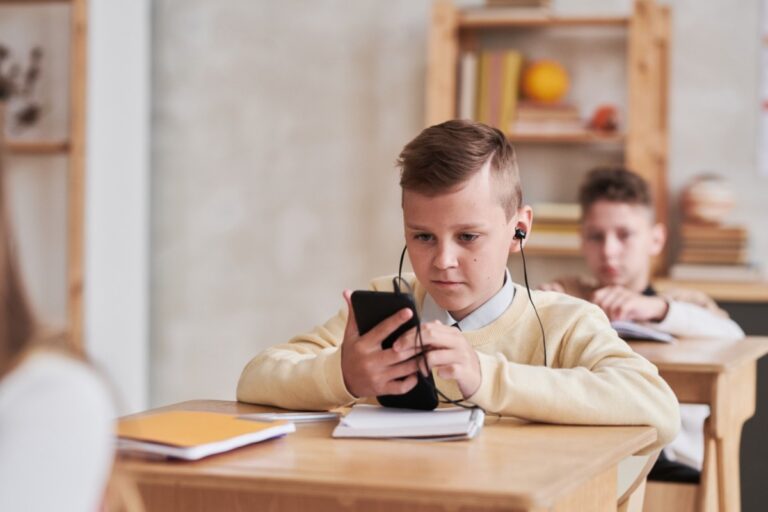
At the end of her last class, most students rushed into the hallway, but one student named Noah remained behind pretending to organize his backpack. He glanced toward the classroom door before quietly asking if she had found anything unusual after school the day before. Ms. Harper immediately realized he probably knew about the note. Rather than pressing him, she simply answered, “Yes, and I’ve been thinking about it ever since.” Noah nodded without saying another word and left the room.
The School Counselor Offered a Different Perspective
Unsure how to respond, Ms. Harper spoke with the school counselor before classes began the next day. She worried that answering too personally might shift the focus away from the student, while saying too little might feel dismissive. The counselor suggested that honesty and reassurance could exist together. Students often ask difficult questions because they are searching for connection rather than perfect answers. That advice gave Ms. Harper a place to begin.
She Changed Her Lesson Plans
Instead of starting English class with the usual grammar exercise, Ms. Harper wrote a different question on the board. She asked students to write anonymously about a moment when they felt nervous about something others assumed was easy. Nobody had to include names or explain their situation out loud. The room became unusually quiet as pencils moved across paper. She sensed the assignment mattered more than anyone expected.
The Responses Revealed Hidden Struggles
When Ms. Harper collected the papers, she was surprised by what students had written. One admitted being terrified of reading aloud despite pretending not to care. Another described feeling anxious every Sunday night before school. Several students confessed they worried constantly about disappointing their families even though they rarely talked about it. She realized many children were carrying fears invisible to everyone around them.
Noah Returned With Another Question
Later that afternoon, Noah quietly stopped by her classroom again. He admitted he had written the note because he could not stop worrying before tests, presentations, and even ordinary school days. He assumed adults stopped feeling afraid once they became teachers. Looking down at the floor, he asked, “Do you ever feel like you’re pretending to be brave?” Ms. Harper knew she owed him an honest answer.
She Shared Something Real
Ms. Harper told Noah she still felt nervous before speaking at school assemblies and during parent meetings where difficult conversations might happen. She explained that courage was not the absence of fear. It was choosing to keep going even when something felt uncomfortable. She also told him that asking thoughtful questions required its own kind of bravery. Noah smiled slightly, as though hearing that lifted a weight he had been carrying alone.
The Conversation Spread Quietly
Without mentioning Noah or the anonymous note, Ms. Harper began including short classroom discussions about handling nervousness and uncertainty. Students started sharing strategies that helped them stay calm before tests or performances. Some preferred deep breathing while others liked making checklists or talking with trusted adults. The conversations felt natural because no one was singled out. Students listened to one another with surprising respect.
A Parent Noticed a Difference
A few weeks later, Noah’s mother emailed Ms. Harper to thank her for something she could not quite explain. She said Noah had recently started talking more openly about school instead of insisting everything was fine. He even admitted when he felt overwhelmed instead of hiding it behind jokes. His mother had no idea what sparked the change, but she noticed he seemed less alone. Ms. Harper read the message and immediately thought about the folded note under her door.
The Anonymous Notes Continued
As the semester went on, Ms. Harper occasionally found other unsigned notes slipped beneath her classroom door. One asked how adults recover after making mistakes. Another wondered whether teachers ever cry after difficult days. She answered many of the questions through class discussions without identifying the writers. Over time, the notes became less about fear and more about understanding life beyond the classroom.
A Final Letter Solved the Mystery
On the last week of school, Ms. Harper found one final envelope waiting on her desk. Inside was a short letter thanking her for answering a question she could have easily ignored. The writer admitted the first note had come from someone who believed fear meant weakness. Now they understood that even confident people experience uncertainty sometimes. Although the letter remained unsigned, Ms. Harper felt she already knew who had written it.
The Question She Never Forgot
Years later, Ms. Harper could still remember the exact words written on that small piece of notebook paper. It reminded her that students often ask about adults when they are really searching for hope about themselves. A simple question had opened the door to conversations her classroom desperately needed. She never discovered whether Noah wrote the final letter, and she decided it did not matter. The important part was that one student found the courage to ask whether being scared meant they were alone, and the answer became something an entire classroom needed to hear.