A School Bus Aide Says the Same Child Gets Seated Alone Every Day Because No One Wants to Sit Beside Him, and No Teacher Has Addressed It

Most people assume the school day begins when students walk into a classroom, but for many children, it starts the moment they step onto the bus. For bus aide Denise Harper, one student’s daily routine became impossible to ignore. Every afternoon, she watched the same scene play out while dozens of children scrambled for seats and conversations filled the aisle. At first it looked like ordinary childhood dynamics. Then she realized it was something much harder to watch.
The Empty Seat Never Changed
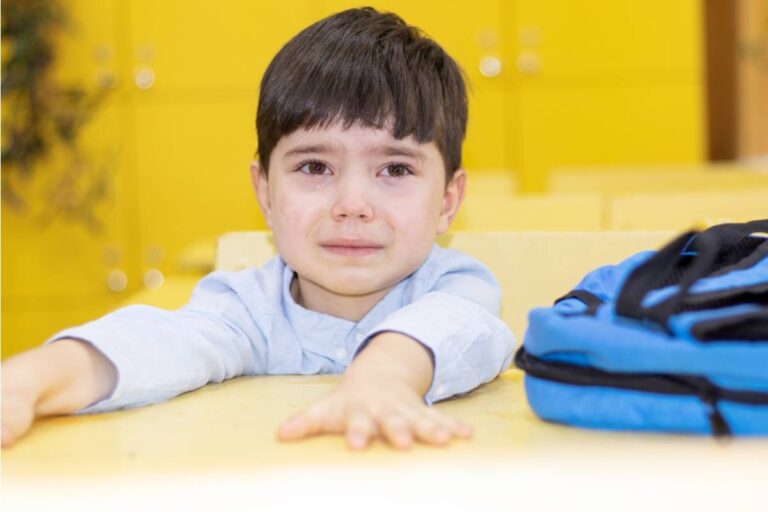
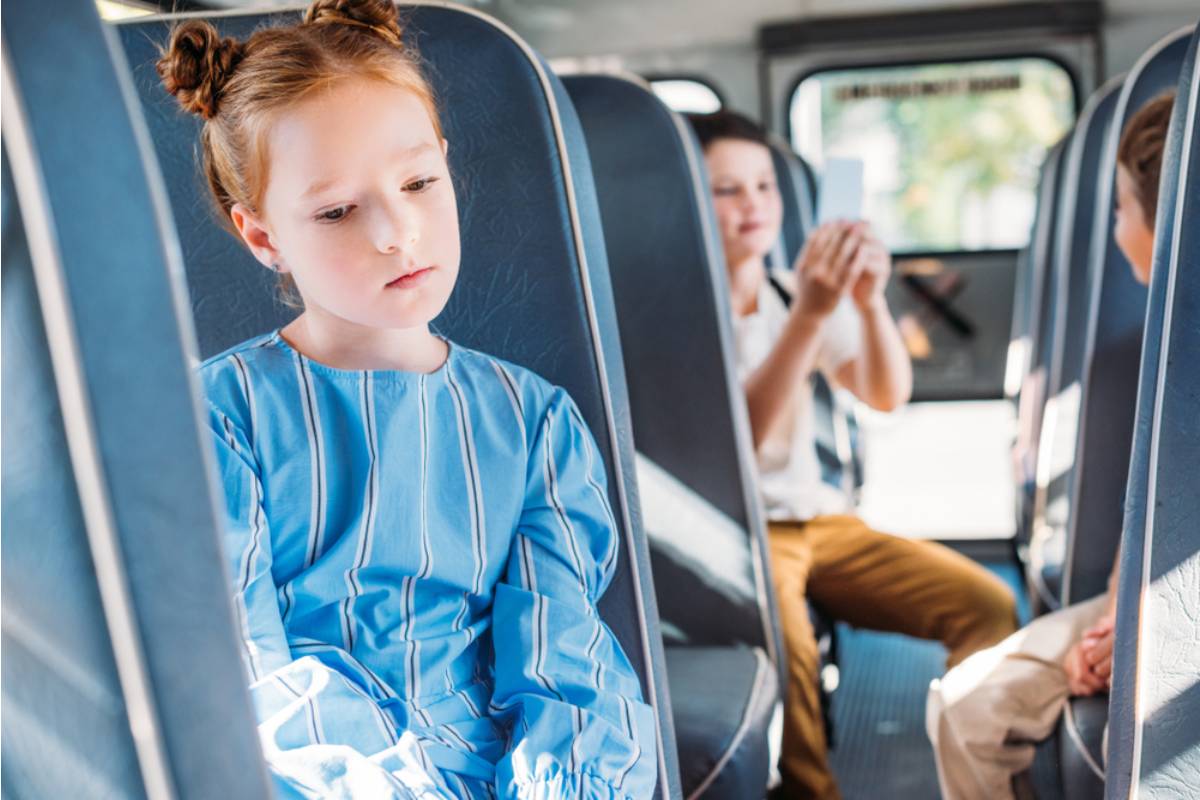
Ten year old Caleb always boarded near the middle of the route. As students climbed aboard, they eagerly slid into seats beside friends, cousins, or teammates. Caleb would glance around briefly before taking the same seat by himself near the back. Even when the bus was crowded, the seat beside him somehow remained empty.
A Pattern Became Impossible to Ignore
Denise initially assumed it was coincidence. Maybe Caleb preferred sitting alone. Maybe his friends rode a different route. But after weeks of watching students deliberately choose crowded seats rather than sit next to him, she realized something else was happening. The avoidance was consistent enough to feel intentional.
An Overheard Conversation Explained More
One afternoon, two boys stopped near Caleb’s row before moving farther down the bus. Denise heard one whisper, “I’m not sitting there.” The other boy nodded immediately as if he already understood. Neither child looked angry or frightened. The reaction seemed more like an unspoken rule everyone had accepted.
Caleb Pretended Not to Notice
What troubled Denise most was Caleb’s response. He never complained or asked anyone to sit with him. Instead, he pulled out a paperback book and acted as though the empty seat beside him was exactly what he wanted. The performance was convincing until she noticed him watching other groups laugh together when he thought nobody was looking.
The Driver Shared His Concerns
During a break between routes, Denise mentioned the situation to the bus driver, Frank. He admitted he had noticed the same thing but assumed teachers were aware of it. Frank pointed out that children often carry social conflicts from school onto the bus. The problem was that no one seemed to be addressing whatever had caused Caleb to become isolated.
A Classroom Visit Raised New Questions
The following week, Denise happened to assist during a school event that brought her inside the building. She paid attention to Caleb during lunch and recess. What she saw surprised her. Caleb was not completely alone at school, but he was clearly on the edges of every group.
A Teacher Offered a Shrug
Concerned, Denise spoke with one of Caleb’s teachers. The teacher acknowledged that Caleb struggled socially but did not seem overly worried. She said children naturally formed friendships and that not everyone connected with classmates the same way. Denise left feeling unsettled because the explanation seemed too simple for what she had been witnessing every day.
An Unexpected Incident Changed Everything
One afternoon, the bus hit a pothole, sending a backpack tumbling into the aisle. Papers scattered everywhere, including several pages from Caleb’s notebook. Before he could gather them, a few students started laughing. One picked up a page and read part of it aloud. The laughter grew louder when they realized Caleb spent his free time writing fantasy stories.
The Notebook Revealed the Real Problem
Denise immediately stopped the teasing and returned the papers. As students settled down, she realized the notebook was not the source of the problem. It was evidence of one. Caleb’s stories were imaginative and detailed, but several children apparently viewed his interests as strange. The empty seat beside him suddenly made much more sense.
A Conversation After the Route Ended
When the last student exited, Denise asked Caleb if the teasing happened often. He hesitated before admitting that it started the previous year. Some classmates had decided he was “weird” because he preferred books and writing over sports. Over time, the label spread to students who barely knew him.
Parents Heard About the Situation
Denise documented what she had observed and shared her concerns with school administrators. The report prompted meetings involving teachers, counselors, and several parents. Many were surprised because the exclusion had become so routine that it no longer stood out. Once described in detail, however, the pattern was difficult to dismiss.
A New Seating Project Sparked Resistance
The school counselor launched a peer leadership initiative that paired students from different social groups for activities and bus rides. Several students complained at first, insisting they should choose their own seats. One boy openly admitted he had never actually spoken to Caleb despite avoiding him for months. The counselor challenged students to explain why they disliked someone they barely knew.
The Bus Ride Looked Different By Spring
Change came slowly rather than all at once. A student named Marcus eventually sat beside Caleb after discovering they both loved drawing comic book characters. Another student joined their conversations about movies and video games. By spring, the seat that had stayed empty for nearly an entire school year rarely remained vacant. Denise watched one afternoon as Caleb laughed with two classmates while sharing one of his story ideas. It was a simple moment, but after months of silence beside him, it felt like something remarkable had finally happened.