A Teacher Says Kids Are Forming Private Groups That Leave Others Out on Purpose, and It’s Hard to Catch Early

A teacher says kids are forming private groups that intentionally leave others out, and by the time it becomes visible, the social damage has already started.
It Begins Quietly With Small Circles
The teacher first noticed tighter friend circles forming during group work. At first, it seemed normal, students naturally gravitate toward familiar faces. But over time, those circles became more closed. New students weren’t easily welcomed in. The shift wasn’t obvious at first. It happened gradually and quietly.
Invitations Became Selective
The real change showed up in who was included and who wasn’t. Certain students were consistently left out of plans, projects, and even casual conversations. Invitations weren’t openly discussed, they were quietly limited. The exclusion wasn’t loud or direct. But it was consistent enough to be noticed.
The Groups Stayed Under the Radar
These private groups didn’t disrupt class or cause visible conflict. They functioned smoothly on the surface. That made them harder to detect early. There were no clear complaints or incidents. Everything looked normal from a distance. The issue stayed hidden in plain sight.
Students Adjusted Their Behavior Around It
Some students tried harder to fit in, changing how they spoke or acted. Others pulled back and became quieter. The teacher noticed shifts in participation. Confidence seemed tied to group acceptance. Behavior started reflecting social positioning. It affected how students engaged in class.
Digital Spaces Made It Harder to Track
Much of the group activity extended beyond the classroom. Private chats, shared posts, and online groups reinforced the same circles. The teacher had no visibility into those spaces. What happened outside carried into the classroom. The divide became stronger over time.
The Exclusion Was Often Subtle
No one openly said “you’re not included.” Instead, it showed through silence, inside jokes, or plans made in front of others. The impact was real, even without direct words. Students felt it without being able to point to a single moment. That made it harder to address.
A Few Students Held More Influence
Within these groups, certain students shaped who was included. Their opinions carried weight. This created an unspoken hierarchy. Others followed their lead. Influence wasn’t official, but it was clear. It guided group decisions quietly.
The Teacher Noticed Emotional Shifts
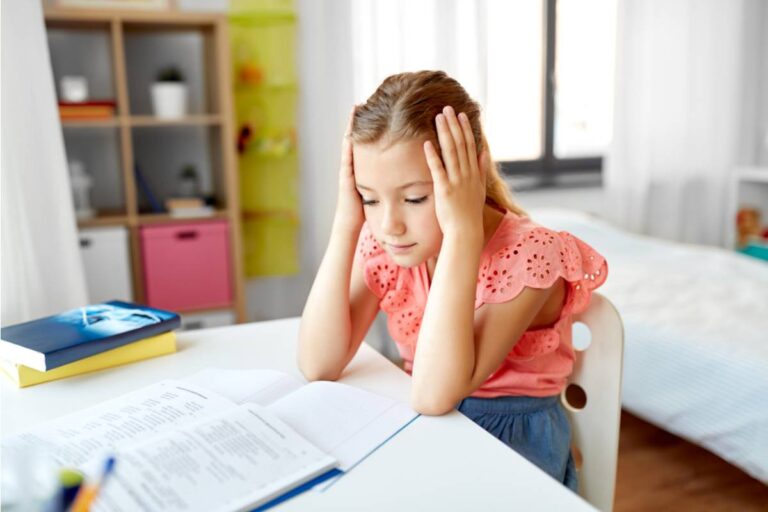
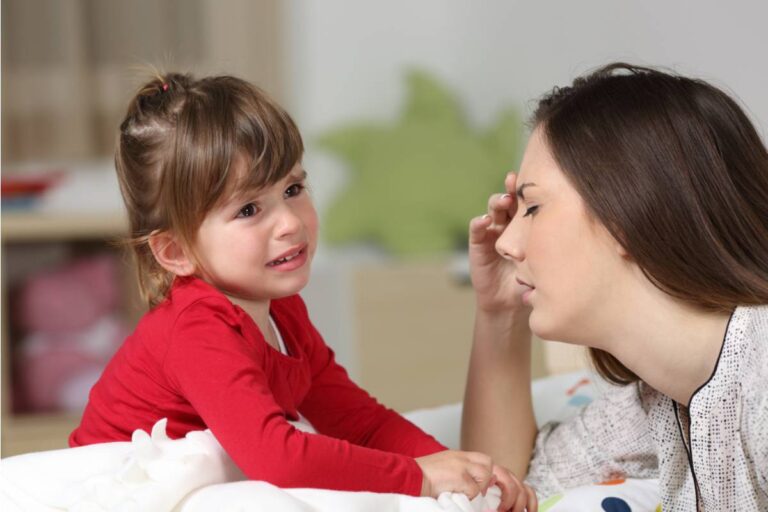
Some students became less engaged, more withdrawn, or hesitant to participate. These changes didn’t always have an obvious cause. But over time, a pattern appeared. Social exclusion was affecting emotional comfort. The classroom atmosphere subtly changed.
Addressing It Required Careful Approach
The teacher couldn’t simply accuse or call out the groups. Doing so might worsen the situation or embarrass students. Instead, they focused on inclusive activities and rotating group assignments. The goal was to break fixed patterns gently. It required consistency and patience.
Conversations About Inclusion Became Necessary
Without naming specific groups, the teacher introduced discussions about respect and inclusion. Students were encouraged to think about how their actions affect others. Some responded thoughtfully. Others remained quiet. Change was gradual.
A Pattern That’s Hard to Stop Early
What makes this issue difficult is how quietly it starts and how quickly it solidifies. By the time it’s noticeable, the groups are already established. Reversing that dynamic takes time. It’s not about rules, it’s about behavior and awareness.
A Growing Challenge in Modern Classrooms
The teacher realized this isn’t an isolated situation. Social grouping has become more layered, especially with online connections reinforcing it. The challenge isn’t just teaching subjects. It’s managing social environments that evolve constantly. And much of it happens out of sight.