A Teacher Says She Noticed a Student Never Ate His Snack at School and When She Asked Why He Said He Was Saving It for His Little Sister

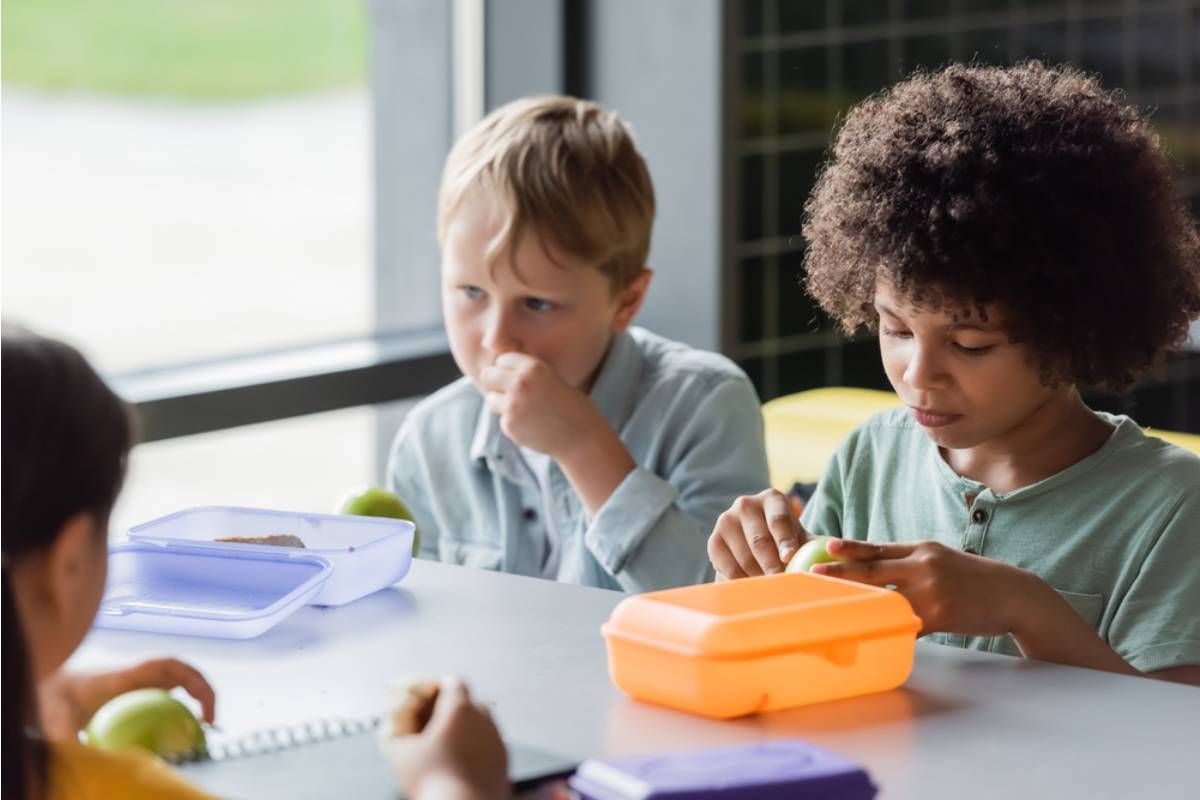
I have taught elementary school long enough to know that children often reveal the biggest truths without realizing it. During morning snack time, I noticed one of my students, Caleb, followed the exact same routine every day. He accepted the crackers or fruit from the classroom basket, smiled politely, and slipped everything into the front pocket of his backpack. At first I assumed he simply was not hungry before lunch. Then one quiet conversation changed the way I looked at that small daily habit.
The Answer I Was Not Expecting
One afternoon I knelt beside Caleb’s desk while the other students were finishing their snacks. I gently asked if he disliked the food we offered. He quickly shook his head and smiled. Then he whispered, “I’m saving it for my little sister.” He said it so casually that it took me a moment to realize what he meant.
A Brother With a Daily Mission
Caleb explained that his six year old sister loved the apple slices and cheese crackers the school sometimes handed out. Since she was still waiting to start elementary school, she did not receive the same snacks. Every afternoon he brought home whatever he had saved and surprised her after she woke up from her nap. He looked proud of himself, as though he had found a secret way to make her day better.
Something Did Not Quite Add Up
His explanation sounded sweet, but I could not ignore one detail. Caleb never once ate any part of the snack before packing it away. Even on days when the class had extra food available, he refused to take another serving for himself. I began wondering whether generosity was the whole story. Years of teaching had taught me to notice when kindness might be hiding something deeper.
A Backpack Held Another Clue
The next week Caleb accidentally left his backpack open while grabbing a library book. I noticed several unopened snack packages neatly stacked inside. Some were from previous days and had never been taken home. They were carefully arranged instead of forgotten. That told me he was collecting food, not simply saving one snack for later.
A Gentle Conversation Opened the Door
I asked Caleb if we could talk privately after recess. I assured him he was not in trouble and that I only wanted to understand. He hesitated before admitting that sometimes his mother skipped meals so he and his sister could eat enough for dinner. He started bringing home school snacks because he wanted there to be “one less thing Mom had to worry about.
The School Counselor Joined the Discussion
After speaking with Caleb and following school procedures, I met with the school counselor. We agreed the situation deserved careful attention without making Caleb feel embarrassed or singled out. The counselor contacted his mother and invited her to meet with us. She arrived looking nervous, convinced Caleb had done something wrong. Instead, she found adults who wanted to help rather than judge.
His Mother’s Truth Came Out
Caleb’s mother admitted the past several months had been difficult after unexpectedly losing her job. She had found temporary work, but keeping food in the house every week had become a constant challenge. She had tried so hard to hide the stress from her children that she never imagined Caleb had noticed. When we told her about the snacks, she quietly covered her face and began crying.
The School Quietly Stepped In
Without drawing attention to Caleb, the school connected the family with local food assistance programs and weekend backpack meal support. The counselor also arranged for extra pantry items to be available through the school’s family resource office. Everything was handled privately because preserving the family’s dignity mattered just as much as meeting their needs. Caleb never knew how many people worked behind the scenes to make those resources available. He simply noticed that things at home slowly became a little easier.
Caleb Tried to Keep Sharing Anyway
Even after food became more stable at home, Caleb continued slipping part of his snack into his backpack. One day I smiled and asked if his sister still expected her afternoon surprise. He laughed and said she did, even though there was plenty to eat now. He explained that she always hugged him before opening the package, and he liked making her smile. What had started from necessity had become a tradition between them.
The Class Learned a Lesson Without Knowing It
Later that semester our class organized a food drive for families in the community. I never mentioned Caleb’s story or singled him out in any way. Instead, we talked about how acts of kindness often begin with noticing what others need. The students filled several donation boxes with enthusiasm, believing they were helping strangers. Caleb quietly added one of his favorite cereal boxes from home.
A Drawing That Stayed on My Desk
At the end of the school year, Caleb handed me a folded piece of paper before leaving for summer break. Inside was a drawing of himself holding his sister’s hand while both of them smiled outside their apartment. At the bottom he had written, “Thank you for seeing me.” I placed the drawing inside my desk drawer because it reminded me that paying attention can change far more than a lesson plan ever could.
The Smallest Habit Revealed the Biggest Heart
Looking back, I still think about how easy it would have been to overlook one child quietly placing snacks into a backpack each day. To everyone else, it looked like a harmless routine that required no attention. In reality, it was the quiet effort of a young boy trying to carry responsibilities far beyond his age. His love for his little sister revealed both the hardship his family faced and the strength they shared. Sometimes the smallest classroom moments uncover the stories that matter most.