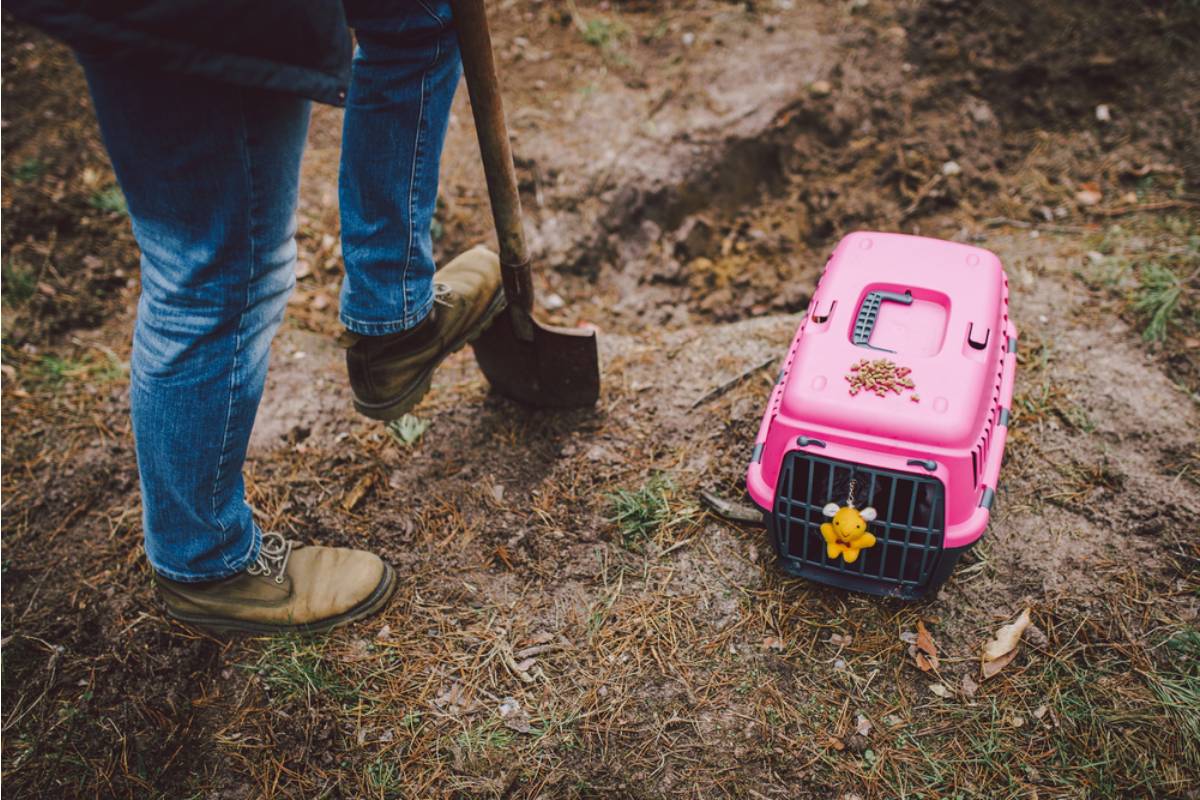
Dad Says He Refused to Let His Brother Bury the Family Dog in His Backyard Without Asking First, Now His Sister Says He’s “Making a Grieving Man Homeless for His Own Pet”

The Reynolds family had always considered their backyard a place filled with memories. It was where the siblings grew up, celebrated birthdays, and spent time together during family gatherings. When their childhood dog passed away, everyone expected the loss to bring them closer. Instead, a disagreement over what should happen next created a conflict that forced the family to confront old tensions and different ideas about ownership, grief, and respect.
The Phone Call That Changed the Family’s Plans
David Reynolds was sitting at home when he received a call from his younger brother, Mark. David immediately knew something was wrong because Mark rarely called during the day unless there was an emergency. When he answered, Mark’s voice sounded emotional as he explained that Buddy, the family’s old golden retriever, had passed away.
Buddy had been part of the Reynolds family for nearly fourteen years. The dog had grown up with the siblings and remained a familiar presence during holidays and family visits. David felt heartbroken when he heard the news, but he assumed the family would discuss the next steps together.
A Childhood Pet Becomes the Center of a Disagreement
Mark explained that he wanted to bury Buddy in the backyard of their parents’ old house. The property had stayed in the family after their parents passed away, and Mark had been living there for the last several years. He told David that burying Buddy there would allow him to visit the place where the dog had spent most of his life.
David understood why the idea mattered emotionally to Mark, but he immediately felt uncomfortable. The house and land were still jointly owned by the siblings, and nobody had asked him whether he agreed with the decision. He told Mark that a permanent burial on shared property was something they needed to discuss first.
Mark Makes the Decision Without Waiting
A few days later, David learned that Mark had already prepared a spot in the backyard. Mark had moved forward with his plans because he believed the property was still connected to their family history. He felt that burying Buddy there was a loving way to honor a pet everyone had cared about.
David was upset that the decision had been made without his approval. He called Mark and asked him to stop until they could talk. Mark responded that he was grieving and felt like David was turning a painful moment into a legal disagreement.
The Family Meeting Turns Emotional
David suggested that the siblings meet in person to discuss the situation. His sister, Karen, joined the conversation because she wanted to help resolve the disagreement. She immediately sided with Mark and said she believed he was only trying to find comfort after losing a beloved companion.
David explained that he was not against honoring Buddy. He said he loved the dog too and understood why Mark wanted a special place for him. His concern was that a decision involving shared property should not be made by one person alone.
Old Family Tensions Surface During the Conversation
As the discussion continued, the siblings began bringing up old disagreements about the family property. David mentioned previous situations where Mark had made changes to the house without consulting the others. Mark responded that he had taken care of the property for years while David lived elsewhere and rarely visited.
Karen pointed out that the argument was becoming about more than the dog. She believed years of frustration were influencing how everyone reacted. The emotional connection to Buddy had reopened conversations about responsibility and fairness within the family.
Mark Explains Why the Backyard Matters
Mark later explained privately to Karen why the backyard burial meant so much to him. He said Buddy had been with him through some of the hardest moments of his life. The dog was there when he went through personal struggles, job changes, and difficult years after their parents passed away.
For Mark, the backyard was not just a piece of land. It represented the home where Buddy had spent his final years and where many family memories were created. He felt that refusing the burial was like rejecting the importance of the relationship he had with the dog.
David Shares the Concern He Could Not Ignore
David admitted that he felt guilty arguing during a time of grief. However, he explained that the decision could affect the family property for years. He worried about future ownership changes, maintenance responsibilities, and what would happen if someone eventually wanted to sell the house.
He told Karen that he did not want to erase Buddy’s memory. He simply wanted everyone who shared ownership to agree before making a permanent change. To him, asking first was about respect, not a lack of compassion.
The Sister Accuses David of Going Too Far
Karen became frustrated and told David that he was focusing too much on technical details. She said Mark had lost a loyal companion and needed support, not restrictions. She accused David of making a difficult situation harder for someone who was already hurting.
David was hurt by the accusation because he believed his feelings were being ignored. He told Karen that grief did not give anyone permission to make decisions for others. He wanted the family to recognize both Mark’s emotions and his own concerns.
The Family Searches for Another Option
After several conversations, the siblings began looking for alternatives. They discussed creating a memorial garden somewhere else, keeping Buddy’s ashes in a special container, or placing a marker at a location everyone could agree on.
Mark initially resisted because he wanted the backyard burial specifically. Over time, he admitted that the most important thing was honoring Buddy’s life, not necessarily the exact location.
A Compromise Finally Brings Peace
Eventually, the siblings agreed on a different memorial plan. They decided to create a small garden area at a family-owned location where everyone could visit. They also placed a personalized marker with Buddy’s name and memories from his years with the family.
Mark was still sad that Buddy would not be buried in the backyard, but he accepted that the decision needed everyone’s agreement. David felt relieved that they found a solution without permanently damaging their relationship.
Mark Reflects on His Brother’s Concerns
Several weeks later, Mark admitted that his grief had affected how he approached the situation. He said he had been focused on losing Buddy and had not fully considered David’s perspective. He apologized for moving forward without discussing it first.
David also apologized for how quickly the conversation became tense. He told Mark that he should have acknowledged his pain before discussing ownership concerns. Both brothers realized they had been speaking from emotion rather than understanding.
The Family Honors Buddy Together
Months later, the Reynolds family gathered at the memorial site to remember Buddy. They shared stories about the dog’s personality, funny habits, and the moments they all remembered from childhood. The gathering became a celebration rather than a disagreement.
Mark brought pictures of Buddy, while David shared memories of taking the dog on walks when they were younger. The family realized that their connection to Buddy was stronger than the argument that had followed his passing.
The Experience Changes How They Handle Decisions
After the conflict, the siblings agreed to communicate more clearly about shared family matters. They created a plan for discussing major decisions involving the property before anyone took action. The experience showed them how quickly emotions could turn a painful moment into a larger conflict.
They also learned that grief affects people differently. Mark needed a place to express his loss, while David needed reassurance that family decisions were made fairly. Both needs were valid, even though they initially seemed impossible to balance.
A Difficult Goodbye Becomes a Family Lesson
The disagreement over Buddy’s final resting place became one of the hardest conversations the Reynolds family had experienced. It forced them to confront issues they had avoided for years. However, it also gave them an opportunity to rebuild trust.
David never regretted asking for a conversation before making a permanent decision. Mark never forgot how much Buddy meant to him. In the end, the family learned that honoring a loved one, even a beloved pet, required both compassion and respect for everyone involved.