A Mom Says Her Son’s Coach Made the Whole Team Run Extra Laps Because His Cleats Squeaked “Too Loud” During Warmups

For the Ramirez family, soccer had always been a place where their son Noah could build confidence, stay active, and spend time with friends. The 13-year-old had joined the Westbrook Youth Soccer Club because he loved the game and enjoyed being part of a team.
His parents never expected a normal practice to become the center of a disagreement involving the entire team. What began with a sound during warmups eventually raised questions about coaching methods, fairness, and how young athletes should be treated.
The Practice That Started With a Strange Complaint
Noah arrived at soccer practice excited because the team was preparing for an important weekend tournament. The players gathered on the field and began their usual warmup routine, which included stretching, passing drills, and short running exercises. Everything seemed normal until Coach Brian Foster suddenly stopped the group.
The coach looked frustrated and told the players that the noise from one player’s cleats was distracting everyone. Noah and his teammates looked around, unsure what he meant. Coach Foster then pointed out that the squeaking sound from Noah’s new cleats was becoming annoying during drills.
Noah Tries to Understand What Went Wrong
Noah was embarrassed because he did not realize the sound was bothering anyone. The cleats were new, and he had been excited to wear them for the upcoming tournament. He apologized and told the coach he would try to be more careful.
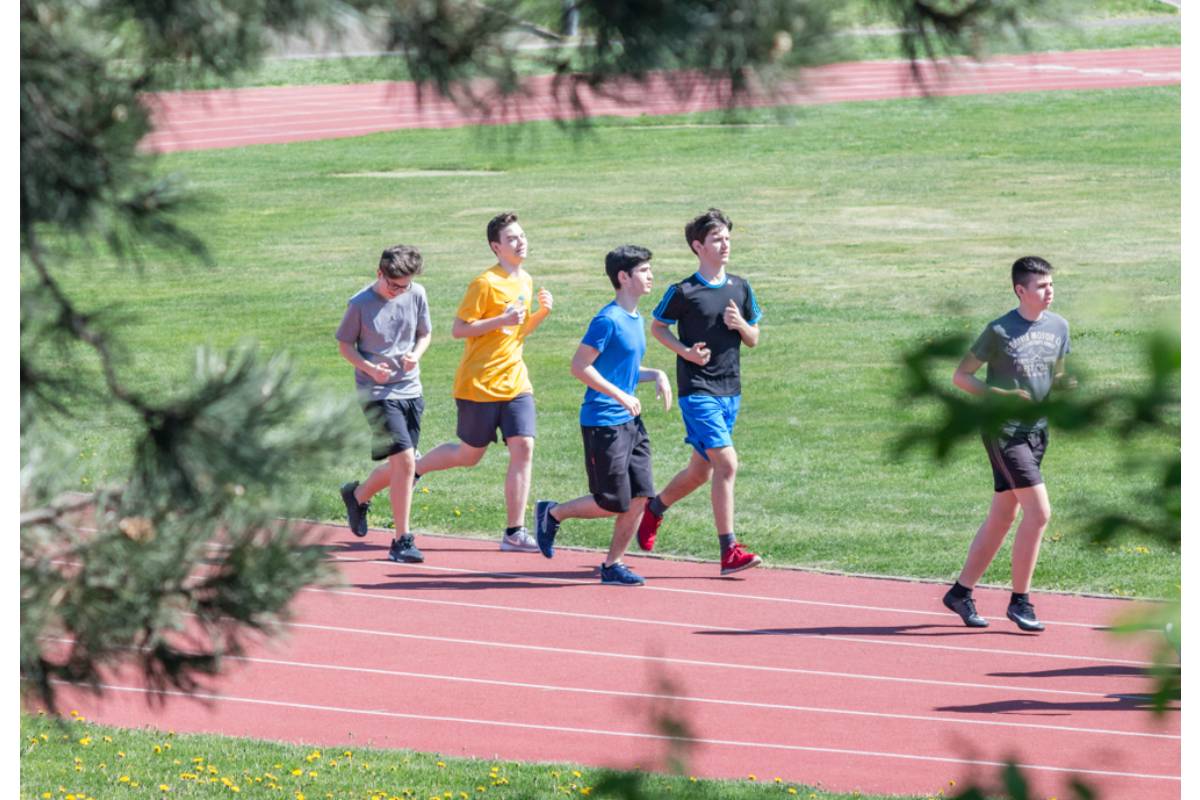
Instead of simply moving on, Coach Foster told the entire team that they needed to learn discipline and focus. He announced that everyone would run extra laps because the group had allowed distractions during practice. The players immediately became frustrated because most of them did not understand why they were being punished.
Parents Hear About the Unusual Practice
When Noah got home, he mentioned the extra running to his mother, Melissa Ramirez. At first, she assumed it was normal conditioning because coaches often add extra drills when teams need more focus. However, Noah explained that the punishment happened because his cleats made noise during warmups.
Melissa was surprised and asked him to explain exactly what happened. Noah said the coach was not angry at him personally but seemed annoyed by the situation. Still, he admitted that he felt uncomfortable because his teammates were upset about something he could not control.
The Team Members Start Talking Among Themselves
The next day, several players discussed the practice before school. Many said they thought the extra laps were unfair because nobody had intentionally caused a problem. A few teammates told Noah they did not blame him, but they were frustrated that everyone had to suffer for something minor.
One player, Ethan Lewis, said the team should have simply adjusted and continued practice. He believed the coach could have handled the situation without turning it into a punishment. The conversation spread among players, and soon several families heard about it.
Melissa Contacts the Coach for Answers
Melissa decided to contact Coach Foster before making assumptions. She sent him a message explaining that Noah had come home upset and asked why the entire team had been required to run extra laps. She wanted to understand the reasoning behind the decision.
The coach responded that he was trying to teach responsibility. He explained that teams succeed when players understand that their actions affect everyone. He said the lesson was not about the cleats themselves but about helping athletes recognize distractions and maintain focus.
The Coach Explains His Training Philosophy
During a phone conversation, Coach Foster told Melissa that he believed small issues could become bigger problems if they were ignored. He said competitive sports required discipline and that players needed to learn how to respond when something affected the group.
Melissa listened carefully but explained that she struggled to see how squeaky cleats represented a serious team problem. She told him she supported teaching responsibility but believed the consequence should match the situation.
Other Parents Share Their Concerns
After hearing about the conversation, other parents began discussing what happened. Some supported the coach and said athletes needed to learn accountability. They believed coaches sometimes had to make difficult decisions to build strong teams.
Other parents disagreed and felt the punishment was unnecessary. They worried that situations like this could embarrass young athletes or make them afraid to make small mistakes. The disagreement quickly became a larger conversation about how children should be coached.
The Team Meeting Becomes Emotional
At the next practice, Coach Foster addressed the team before starting drills. He explained that he had heard parents were unhappy and wanted the players to understand his perspective. He said he was not trying to embarrass Noah and that the goal was to build teamwork.
Noah appreciated that the coach clarified his intentions, but some players still felt uncomfortable. They believed the situation had become bigger than it needed to be. The team listened quietly, but the tension was noticeable.
Noah Speaks Up About His Feelings
After practice, Noah approached Coach Foster and explained how the situation affected him. He said he understood the importance of discipline but felt responsible for something he could not control. He told the coach that hearing his teammates complain about the punishment made him feel guilty.
Coach Foster admitted that he had not considered how the situation might feel from Noah’s perspective. He explained that he had been focused on making a teaching point and had not realized the personal impact.
The Club Director Reviews the Situation
Because several parents raised concerns, the soccer club director, Karen Mitchell, decided to review what happened. She spoke with Coach Foster, players, and parents to understand the full situation.
Karen explained that coaches have authority to set expectations, but consequences should be reasonable and connected to the behavior being addressed. She believed the coach had good intentions but could have handled the situation differently.
The Coach Adjusts His Approach
After the discussion, Coach Foster changed how he handled similar situations. He continued emphasizing teamwork and focus but became more careful about group punishments. He started using more conversations and individual reminders instead of immediately assigning extra conditioning.
He also apologized to Noah privately. The coach told him he should have made it clear that the cleats were not a serious problem and that Noah was not responsible for the entire team’s challenge.
The Team Moves Past the Conflict
Over the following weeks, the players returned their focus to soccer. Noah continued practicing and eventually wore the same cleats during games without any issues. His teammates joked that the “famous squeaky cleats” had become a funny memory instead of a source of frustration.
The team became closer because they had learned how to discuss disagreements openly. Players realized that even adults with good intentions could make mistakes.
Parents Notice Positive Changes
Melissa later admitted that she was glad she contacted the coach instead of immediately criticizing him. She believed the conversation allowed everyone to understand different perspectives. She also appreciated that Coach Foster was willing to listen and adjust.
Other parents noticed that communication between families and the coach improved. They felt more comfortable bringing up concerns because they knew they would be heard.
The Season Continues With New Understanding
By the end of the season, the soccer team had become stronger both on and off the field. The players continued working hard, but they also learned that teamwork involved more than following instructions. It included understanding each other and handling mistakes respectfully.
Noah looked back on the experience as an important lesson. He learned that speaking up calmly could solve problems, even when the situation involved someone in authority.
A Small Sound Creates a Bigger Conversation
The squeaking cleats that caused so much frustration eventually became just a small memory from the season. The real lesson came from how everyone responded afterward. The coach learned that discipline needed balance, while parents learned that conversations could lead to better solutions.
For Noah and his teammates, the experience showed that a strong team is not built by avoiding every mistake. It is built by learning from unexpected moments and finding better ways to move forward together.