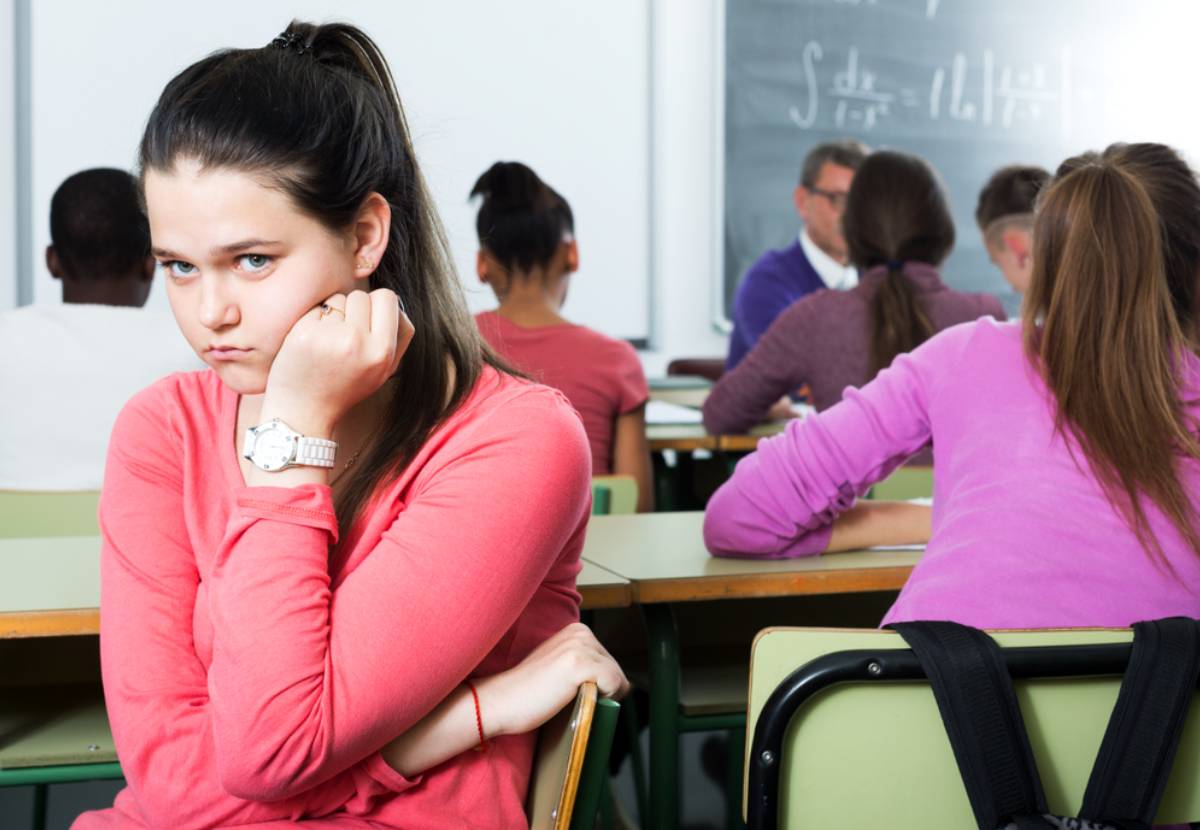
A Mom Says Her Daughter’s Friend Group Stopped Inviting Her to Things the Moment She Started Getting Better Grades Than Them

Middle school friendships can change without much warning, but Karen never expected her daughter’s excitement over improving her grades to become the reason she felt left out. For months, thirteen year old Sophie had worked hard with tutors, stayed after school for extra help, and finally started seeing the results she wanted. Instead of celebrating with her friends, she found herself slowly pushed to the edge of the group. What looked like ordinary teenage drama soon revealed something much more painful.
The First Missing Invitation Felt Like an Accident
One Friday afternoon, Sophie noticed photos from a pizza night filling her phone screen. Four girls from her friend group were smiling together, even though they had always invited her before. When Karen asked about it, Sophie shrugged and said they probably forgot. She tried to sound convincing, but her disappointment was obvious.
The Compliments Suddenly Sounded Different
The following week, Sophie earned one of the highest scores on a science test. Instead of congratulating her, one classmate rolled her eyes and said, “Guess you’re the genius now.” Another laughed and asked if Sophie planned to start correcting everyone’s homework. The comments were delivered with smiles, but they did not feel friendly.
Sophie Began Hiding Good News
Karen noticed Sophie stopped mentioning grades at home with the excitement she once had. Even when she brought home another excellent report card, she quietly slipped it into her backpack after dinner. When Karen asked why she was not celebrating, Sophie admitted she no longer liked talking about school because it made things awkward with her friends. It was the first time Karen realized success had started feeling like a problem.
A Group Project Changed the Atmosphere
During an English assignment, students chose their own partners. Sophie walked toward her usual group, but one girl quickly announced they already had enough people. Sophie stood there holding her notebook while the teacher helped her join another team. Later that afternoon, she admitted it was the first time she truly believed the exclusions were intentional.
Another Parent Shared an Unexpected Story
Karen ran into the mother of one of the girls during a school fundraiser. Without mentioning the friendship issues, the other parent casually laughed that her daughter had been complaining about “Miss Perfect” making everyone else look bad. Karen realized with surprise that the nickname referred to Sophie. The conversation left her wondering how long the resentment had been growing.
Sophie Finally Read the Messages Out Loud
One evening, Sophie handed her phone to her mother. The group chat was full of comments joking that Sophie only cared about homework and probably graded movies for fun. Whenever she tried to join the conversation, someone changed the subject or ignored her completely. Reading the messages made Karen understand why her daughter had become so quiet.
Dad Asked a Simple Question
Sophie’s father sat beside her after dinner and asked whether she actually missed the invitations or simply missed the people she thought her friends used to be. Sophie thought about it for a long time before answering. She admitted the girls had changed long before the invitations stopped. She had just been hoping things would go back to normal.
An Honest Classmate Filled in the Missing Pieces
A boy from Sophie’s math class quietly approached her after school one day. He admitted several students had overheard the girls complaining that teachers compared everyone to Sophie without meaning to. Instead of blaming the teachers, they blamed Sophie for making them feel inadequate. Hearing the real reason hurt, but it also answered questions she had been asking herself for weeks.
A Teacher Noticed the Shift
Sophie’s English teacher had watched the friendship dynamics change throughout the semester. She invited Sophie to stay after class and reassured her that she had done nothing wrong by working hard. The teacher reminded her that real friends celebrated one another’s successes instead of treating them like personal failures. Those words stayed with Sophie far longer than she expected.
A New Opportunity Opened Another Door
A guidance counselor encouraged Sophie to join the school’s academic bowl team after noticing her recent improvement. She hesitated because she worried joining would only reinforce the rumors about her. Eventually, she decided to attend one meeting anyway. There, she met students who were excited to learn together instead of competing over every grade.
The Former Friends Reached Out
Several weeks later, one of the girls texted Sophie asking why she never sat with them anymore. Sophie politely replied that she had stopped feeling welcome long before she started spending time elsewhere. The girl apologized for some of the jokes but admitted they had been jealous because Sophie’s grades improved while theirs stayed the same. It was the first truly honest conversation they had shared in months.
Sophie Made a Different Choice
Although Sophie accepted the apology, she chose not to return to the same friendship circle. She continued being kind to everyone but invested more time in classmates who encouraged one another instead of keeping score. Karen watched her daughter regain the confidence she had nearly lost over something she had worked so hard to achieve. Looking back, Sophie realized better grades had not cost her real friends. They had simply revealed which friendships could not survive someone else’s success.