A Mom Found Out Her Daughter Had Been Trading Her Favorite Snacks for a Friend’s Company at Lunch Because Eating Alone Felt Worse Than Going Hungry

The lunchroom had always been the place where Mia Harper felt the most invisible. At home, she was talkative and full of stories, but school was different. Her mother noticed something was wrong only after a small habit became impossible to ignore. What started as missing snacks turned into a discovery that changed how the family understood friendship, loneliness, and the quiet struggles children sometimes hide.
The Missing Granola Bars Raised the First Question
Every morning, Mia’s mother, Rachel, packed the same small lunch bag with care before sending her to school. She included fruit, a sandwich, and Mia’s favorite cinnamon granola bars that she had loved since elementary school. After several weeks, Rachel noticed the granola bars disappeared faster than anything else in the lunchbox.
She first assumed Mia was simply hungrier during the school day, but the pattern continued even when Mia came home saying she was not very hungry. Rachel finally asked about it while cleaning the kitchen one evening, and Mia quickly changed the subject.
Rachel Found the Empty Lunchbox Was Not the Real Problem
Rachel began paying closer attention to Mia’s behavior after school. She noticed her daughter seemed cheerful when she walked through the door but became unusually quiet when conversations turned toward classmates.
When Rachel asked who Mia sat with at lunch, Mia always gave short answers and mentioned different names without much detail. One afternoon, Rachel found that Mia had returned home without eating her sandwich, yet she had somehow given away all her favorite snacks. The discovery made Rachel realize the issue was not about food at all.
A Conversation in the Kitchen Revealed a Hidden Routine
That night, Rachel sat beside Mia at the kitchen table and gently asked why her snacks kept disappearing. Mia stared at the table for several seconds before finally admitting she had been giving them to another student named Lily.
She explained that Lily would let her sit with her group during lunch only if Mia brought extra snacks to share. Rachel was shocked because she had never heard her daughter describe a friendship that way. Mia quickly defended Lily and said, “She is not mean, Mom, I just like having someone to sit with.”
Mia Explained Why Lunch Had Become So Difficult
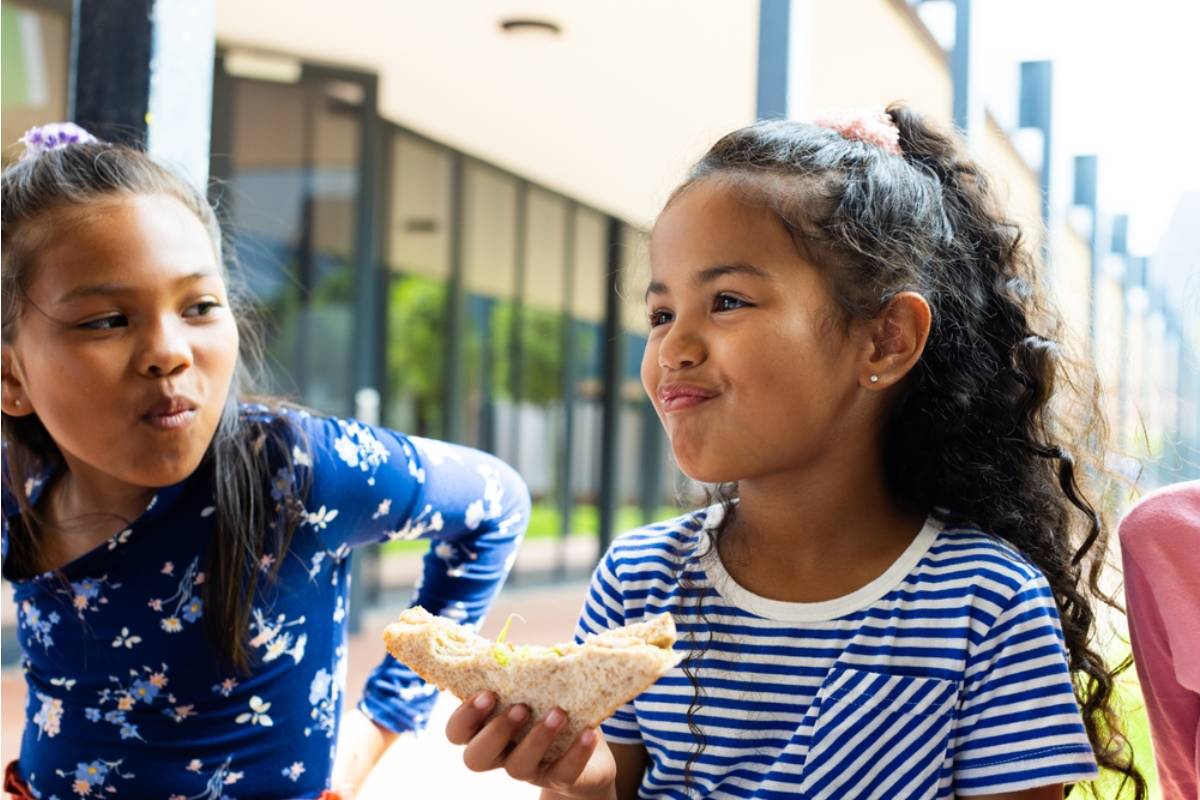
As Rachel listened, Mia explained that the cafeteria had become the hardest part of her school day. She said walking into the crowded room and searching for a place to sit made her feel nervous every afternoon. Earlier in the year, she had tried joining different tables, but she felt like she was interrupting conversations. When Lily invited her to sit nearby, Mia felt relieved for the first time in months. The snacks became a small price to pay for avoiding the feeling of eating alone.
Rachel Visited the School and Learned More Than Expected
The next morning, Rachel contacted Mia’s teacher and requested a meeting. She did not want to accuse anyone before understanding what was happening at school. Mia’s teacher, Mrs. Collins, admitted she had noticed Mia becoming quieter but did not realize lunch had become such a painful experience. She explained that children often hide social struggles because they worry adults will make things worse. Together, they decided to observe the situation more carefully instead of immediately confronting Lily.
A Small Detail Changed How Everyone Viewed Lily
During the following week, Mrs. Collins noticed something unexpected during lunch. Lily was not openly demanding snacks or threatening Mia in front of others. Instead, she often sat alone before Mia arrived and seemed uncomfortable around the larger group. The teacher began to wonder if Lily was also struggling socially and had simply created an unhealthy arrangement. When Rachel heard this, she realized the situation was more complicated than she first believed.
Mia Admitted She Was Afraid of Losing Her Only Friend
After another discussion at home, Mia finally shared what she had been afraid to say. She worried that if she stopped bringing snacks, Lily would tell her she could not sit with the group anymore. Mia said she would rather give up something she loved than return to eating by herself. Rachel hugged her daughter and told her that no friendship should require her to earn a seat at a table. It was the first time Mia admitted how lonely she had actually felt.
The School Helped Create a Different Lunch Experience
Mrs. Collins worked with the school counselor to make lunch less intimidating for Mia and other students who struggled socially. They started a small lunch group where students could gather, talk, and play games without worrying about finding a place to belong. Mia was nervous at first because she thought joining something new would make her stand out. However, she slowly started talking with classmates she had never approached before. For the first time in a long while, lunch became something she looked forward to instead of something she feared.
Lily Faced a Difficult Conversation Too
The school counselor also spoke privately with Lily about what had happened. Lily admitted she enjoyed having Mia around but had not realized how much pressure she was putting on her. She explained that she liked sharing snacks because it gave her a reason to invite Mia over. The counselor helped Lily understand that kindness should never be connected to what someone can provide. Lily later apologized to Mia and admitted she should have simply asked her to join them.
The Friendship Changed After the Truth Came Out
Mia and Lily did not immediately go back to being best friends, but their relationship became healthier. They started spending time together because they enjoyed each other’s company, not because of what was inside Mia’s lunch bag. Lily began including Mia in conversations without expecting anything in return. Mia also became more confident about speaking to other classmates. Rachel noticed her daughter was no longer checking her lunch before leaving for school.
Rachel Realized How Easy It Was to Miss the Signs
The experience changed how Rachel viewed the small details of parenting. She realized Mia had not been hiding things because she wanted to deceive her. She had been trying to protect herself from embarrassment and disappointment. Rachel began asking more open questions about school instead of only asking whether everything was fine. She learned that children sometimes answer “good” even when they are carrying something heavy.
Other Parents Shared Similar Experiences After Hearing the Story
When Rachel later mentioned the situation to a few close parents, she discovered many families had experienced similar moments. Some children struggled with fitting in, while others stayed quiet because they feared being judged. Parents shared stories about kids pretending they were not hungry or pretending they did not care about invitations. Rachel realized social struggles often happen quietly in places adults cannot see. The experience encouraged more parents to pay attention to small changes in their children’s routines.
Mia Started Helping Other Students Feel Included
Months later, Mia became one of the students who noticed when someone else looked uncomfortable at lunch. She remembered exactly what it felt like to stand with a lunch tray and not know where to go. She began inviting quieter classmates to join conversations and games. Her confidence grew because she knew what genuine inclusion looked like. The experience that once made her feel powerless became something that helped her understand others.
The Family Looked Back on the Lesson They Never Expected
Rachel never forgot the day she discovered the missing snacks were connected to something much deeper. She had originally thought the problem was a simple habit that needed correcting. Instead, she found a hidden struggle involving friendship, confidence, and belonging. Mia learned that real friends value her presence, not what she can bring. Their family carried the lesson forward, knowing that sometimes the smallest changes in a child’s routine can reveal the biggest stories waiting to be heard.