A Dad Says His Daughter’s Friend Told Her She Couldn’t Sit With the Group Anymore Because She Doesn’t Have the Right Shoes

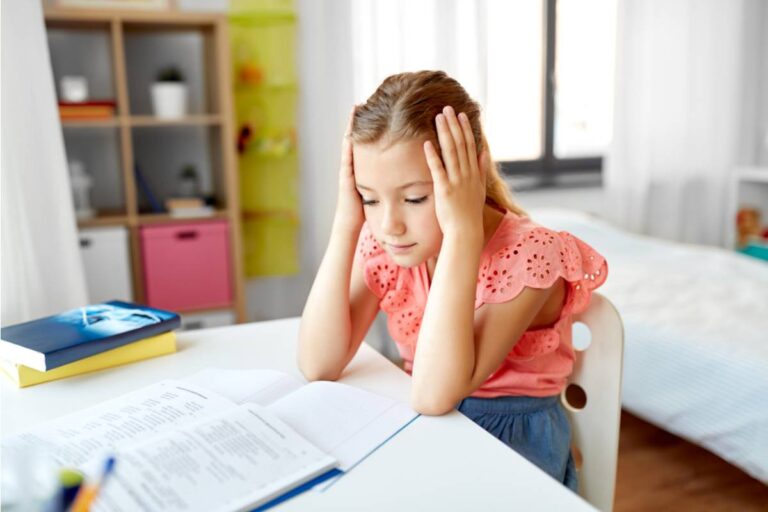
The first time I heard about it, my daughter was sitting on the edge of the couch holding her backpack like she was trying to decide whether to open it or not. She said school was fine, but her voice had that careful tone kids use when they are testing how much to reveal. I asked if something happened during lunch, and she shrugged too quickly. Then she finally said she did not sit with her group today. That sounded small until she explained why.
A Lunch Table That Suddenly Changed
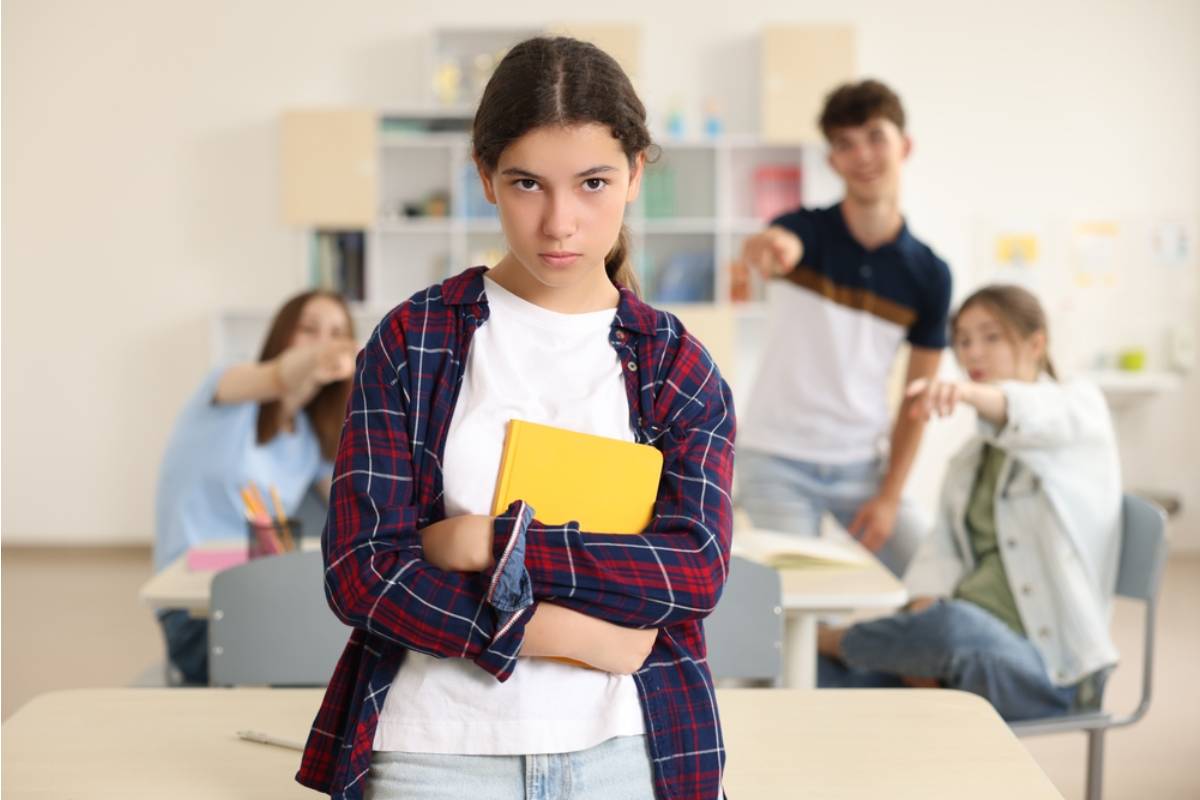
It started in the cafeteria like it always did, with the same group of girls she had been sitting with since the beginning of the year. They had a routine, same table, same seats, same conversations about classes and weekend plans. My daughter said everything was normal until one girl noticed her shoes. Not in a mean way at first, just a comment that turned into laughter from the others. By the time she realized what was happening, the seat next to her was no longer available.
The Comment That Set Everything Off
According to my daughter, one of the girls said the group was trying to keep a certain look for their table. She said my daughter’s shoes did not match what everyone else was wearing. At first, it sounded like a joke, but nobody corrected it. Then another girl said maybe she should sit somewhere else for now. My daughter said she waited for someone to say it was not serious, but that moment never came.
A Quiet Walk to Another Table
Instead of arguing, she stood up and walked away with her tray. She said she could feel people watching but nobody called her back. She ended up sitting alone near the end of the cafeteria, close to a wall where a few other students were already sitting separately. She said she pretended it was her choice so it would not feel worse. But when she told me this part, she stopped talking and looked at the floor.
The Friend Who Delivered the Message
Later that day, one of the girls from the group approached her in the hallway. She said she was just explaining what everyone else was thinking. According to her, the group had been trying to keep a certain style for photos and social media posts. She said it was not personal, just how things were. My daughter asked if that meant she was not welcome anymore. The girl did not answer directly.
The Shoes Become the Focus
At home, I looked at the shoes in question. They were normal school sneakers, clean but not expensive, nothing unusual for a middle school kid. I asked if anyone had ever mentioned them before. She said no, not until that day. That is when I realized it was not really about shoes. It was about something else that had simply chosen shoes as an excuse.
A Teacher Notices a Change
The next day, I received a message from her homeroom teacher saying she seemed quieter than usual. The teacher asked if anything had changed at home or school. I replied that there had been a social issue during lunch. The teacher said she would keep an eye on it during the day. It felt strange that something so small had already reached adult attention without any official report.
Attempting to Understand the Group
That evening, I asked my daughter if this had happened before with other students. She hesitated and then said not exactly like this, but sometimes people decide who sits where. She said it usually changes depending on what is trending or who is friends with whom. Hearing her describe friendship like a rotating system made me uncomfortable in a way I could not immediately explain. It sounded less like childhood and more like social sorting.
A Message From Another Parent
Later that night, I received a text from another parent in the class. She said her daughter had mentioned something about seating drama at lunch. She asked if I knew what had happened. I kept my reply short and said there had been a misunderstanding among students. But I could tell from her follow up that this was already spreading beyond one table.
The Group’s Explanation at School
The following day, the school counselor spoke with the students involved. According to what I was told later, the group said they were not trying to exclude anyone permanently. They said they were just organizing their table for photos and social media posts. The counselor explained that even informal exclusion can still have impact. The girls reportedly did not fully understand why it was a problem.
My Daughter Tries to Return
At lunch the next day, my daughter tried sitting with them again. She said she asked if the seat was taken, even though she already knew the answer might be different now. One of the girls told her they were just keeping things the same for now. She ended up leaving again without finishing her lunch. This time she did not try to pretend it was her choice.
A Conversation With the School
I requested a meeting with the assistant principal. I explained what had been happening and how quickly it escalated from a comment about shoes to full exclusion. The response was that they would address group dynamics and reinforce inclusion expectations. I asked if there would be any direct follow up with the students involved. They said they would handle it through general classroom guidance rather than specific discipline.
The Friend Apology That Felt Complicated
A few days later, one of the girls apologized to my daughter during a class transition. She said she did not mean for it to go that far. My daughter said it felt like the apology was more about getting things back to normal than understanding what happened. She accepted it politely but did not sit with them afterward. Something had shifted that could not be undone with a short conversation.
A New Seat That Stayed Empty
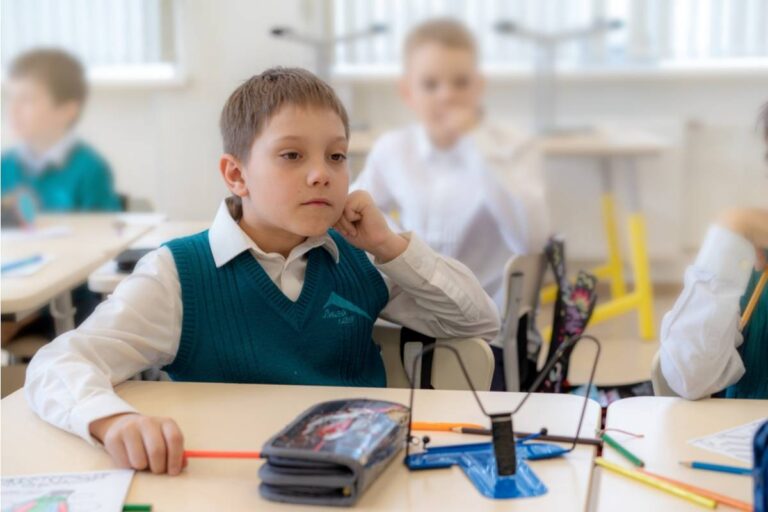
For the rest of the week, my daughter sat alone or with different classmates who were not part of the original group. She did not complain, but she was quieter than before. Teachers noticed she participated less in group discussions. Nobody said anything directly about shoes anymore, but the table she used to sit at remained unchanged without her.
What I Could Not Ignore Anymore
At some point, it became clear that this was not just about a lunch table or a pair of shoes. It was about how quickly belonging could be removed without anyone calling it exclusion. My daughter did not lose friends in a dramatic way. She simply stopped fitting into a space that used to be hers. And the hardest part was how ordinary it all looked from the outside.