Mom Says She Refused to Stop Packing Her Son’s Lunch After the School Said It Wasn’t “Aligned With Their Nutrition Policy,” and Other Parents Are Now Divided

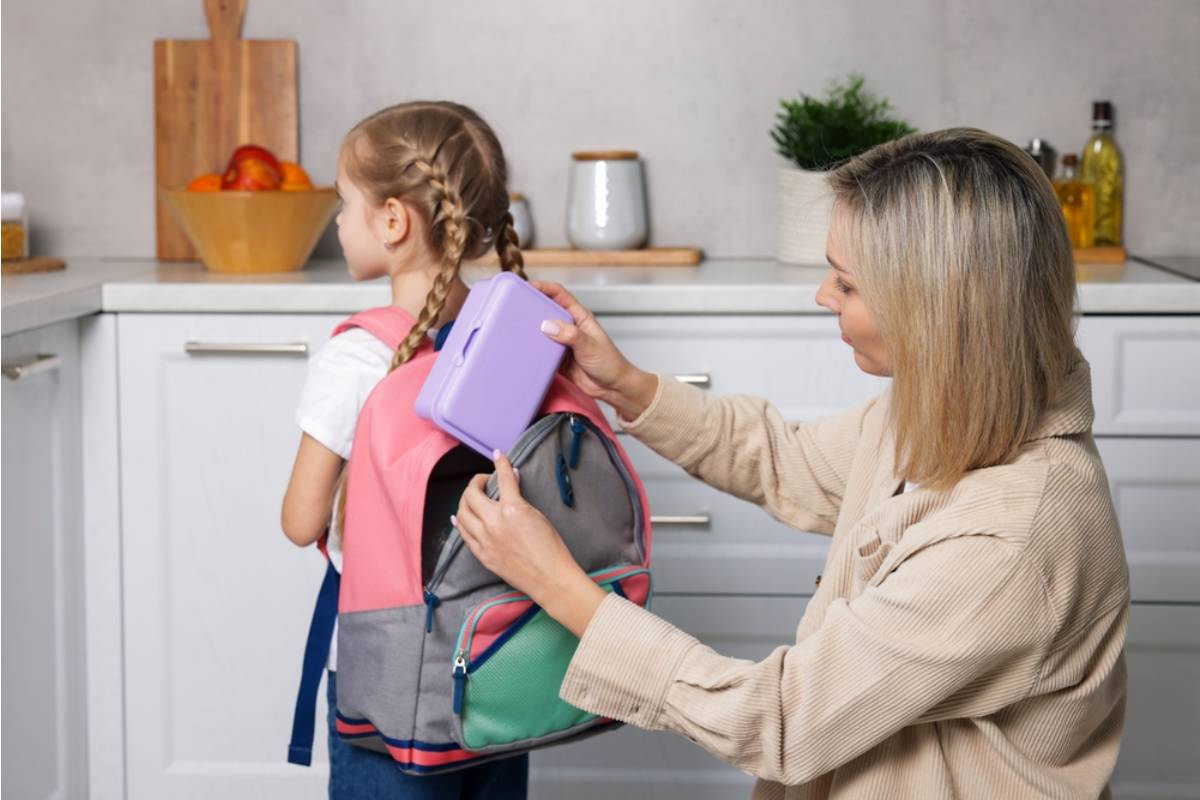
Every morning started with the same routine in the kitchen. She would lay out bread, fruit, and a small treat her son liked, packing everything into a blue container he had picked out himself. He never complained about it, and most days he came home with an empty lunchbox. The school had never raised concerns before, and she had never been told there was anything wrong with what she packed. So when the notification finally came, it felt completely unexpected. It was just another school message in a long list she usually skimmed quickly.
The Message That Suggested a Problem
The email from the school mentioned a nutrition review and referenced student lunch guidelines. It suggested that some packed lunches were not aligning with updated standards. Her son’s name was included in a general note about “frequent items of concern.” She read it twice, thinking there must be a misunderstanding. Nothing in his lunch had changed recently, and no one had ever flagged it before. Still, the message ended with a request to adjust food choices going forward.
A Call That Turned a Simple Habit Into a Debate
She called the school office the same afternoon, expecting a quick clarification. Instead, she was transferred to someone in the cafeteria program who explained the policy in more detail. They mentioned balanced meals, sugar limits, and recommended substitutions. She asked which specific item was the issue, but the answer stayed broad and non specific. The conversation ended with the suggestion that parents “review the guidelines carefully.” She hung up feeling like the situation was less clear than when it started.
Her Son Comes Home Confused but Not Concerned
When her son got home, she casually asked if anything had been said about lunch at school. He shrugged and said some kids talked about healthy eating posters in the cafeteria. He did not remember anyone directly mentioning his food. That made the situation feel even more uncertain. If it was a real concern, it had not reached him in a meaningful way. He just asked if he could have extra fruit the next day like usual.
Other Parents Start Sharing Different Versions of the Same Story
In the school parent chat, the topic came up quickly once someone posted about the policy notice. Some parents said they had received similar messages, while others said they had heard nothing at all. A few shared photos of lunches that looked almost identical to what they packed daily. Opinions split immediately between support for the school and frustration with the guidelines. She noticed that no one seemed to have a fully clear explanation. The uncertainty spread faster than the policy itself.
A Meeting Where No One Fully Agrees on the Problem
She attended a school information session expecting answers. Staff explained that the goal was to encourage healthier eating habits across the student body. Parents asked for specific examples of what needed to change. The responses stayed general, focusing on balance and consistency rather than individual cases. Some parents nodded along while others looked unconvinced. By the end of the meeting, nothing felt resolved, only discussed.
A Refusal That Quietly Becomes a Household Decision
After the meeting, she decided not to change her son’s lunch immediately. She felt the school had not clearly identified a specific issue that needed correcting. Her husband suggested making small adjustments just to avoid future attention. She disagreed, saying she did not want to guess at expectations that kept shifting. Their conversation ended without agreement. The lunchbox stayed the same the next morning.
A Teacher’s Comment That Changes the Tone
A few days later, her son mentioned casually that a teacher had asked him about his lunch. He said it was not a big deal, just a question about whether he knew what “healthy options” were. But the way he described it made her pause. It sounded less like guidance and more like subtle monitoring. She started wondering how often it was being discussed without her knowing. That thought made the situation feel more personal.
A Follow Up Email That Feels Less Neutral
Another message arrived from the school, this time more direct in tone. It stated that continued non compliance with nutrition guidelines could lead to further discussions. It did not mention her son specifically, but it was clear the situation was still being tracked. She read it carefully, noticing how the wording had shifted from suggestion to warning. It felt less like information and more like pressure. That change made her more determined not to adjust anything yet.
Parents Begin Taking Sides Openly
In the parent group chat, conversations became more divided. Some said the school was simply trying to improve student health habits. Others argued that families should not be told what to pack in a private lunch. A few parents shared that their kids had started noticing differences between lunches and commenting on them. The topic stopped being about food and started being about control and choice. She found herself reading messages longer than she intended.
A Small Moment in the Cafeteria That Spreads Fast
Her son mentioned that another student pointed at his lunch and said it looked “old fashioned.” He did not seem upset, but he remembered it clearly. By the next day, she heard from another parent that similar comments were happening in different classes. Nothing official had changed, but social pressure among students was building. That detail bothered her more than any email from the school. It felt like the situation was moving beyond adult conversation.
A One on One Conversation With the School Nurse
She requested a meeting with the school nurse to better understand the concerns. The nurse explained that they were encouraged to identify patterns in student eating habits. She asked whether her son’s health had been flagged specifically. The nurse said there were no medical concerns, only general observations tied to policy. That distinction did not feel reassuring. It felt like her child was part of a category rather than an individual.
A Decision That Leaves Everyone Slightly Unsure
At home, she told her son they would keep his lunch the same for now. He seemed fine with that answer and went back to his homework. Her husband did not push the conversation further that night. The school did not send another immediate message. But the situation did not fully disappear either. It stayed in a quiet space between policy, parenting, and personal choice, waiting for the next email or comment to bring it back into focus.