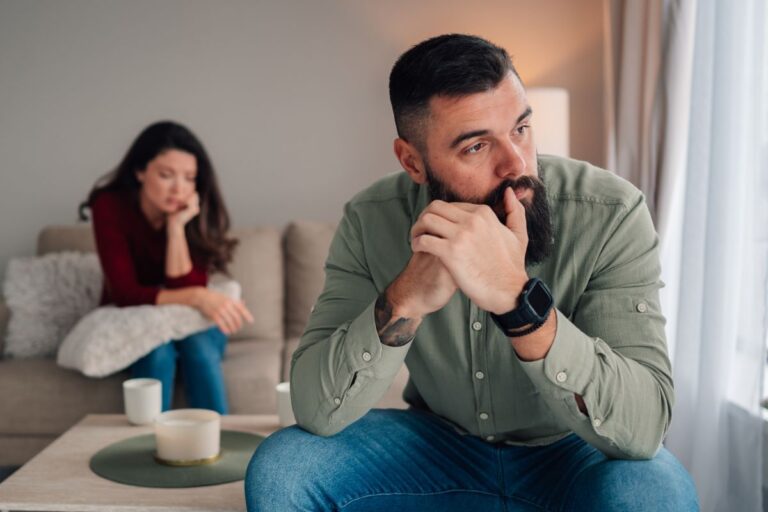
A Man Says His Girlfriend Started Messaging Another Man After Their Relationship Hit a Rough Patch, and Meeting Him During Their Break Changed Everything

A 28-year-old man thought he was building a future with his girlfriend of three years. Earlier in the year, he admitted that he had withdrawn from her and spent too much time playing games, but he eventually recognized the problem and made a genuine effort to become more present. Just as he believed their relationship was getting back on track, he began noticing a distance between them that he couldn’t explain.
Then, at a party, he noticed his girlfriend spending much of the evening messaging another man. The following day, he looked through her phone and found conversations that went beyond ordinary friendship, including discussions about meeting up. What happened afterward left him questioning not only her choices, but whether the relationship he had imagined for the future was already over.
He Knew He Hadn’t Been a Perfect Boyfriend
The man didn’t tell the story as though he had been flawless. Earlier in the year, he had pulled away from his girlfriend and spent far too much time gaming instead of giving her the attention she deserved. Eventually, he recognized that he had contributed to the growing distance and deliberately tried to change.
That admission became important because he didn’t want to use his own mistakes as an excuse for what happened next. He understood that neglecting a relationship could hurt a partner and create serious problems. What he couldn’t determine was whether his mistakes explained his girlfriend’s behavior or whether they were simply becoming a reason for him to blame himself.
The Distance Started Before the Messages Were Found
Over the summer, he began sensing that something between them had changed. Nothing appeared dramatic enough to immediately explain the feeling, but the relationship seemed colder and more distant than before. He had already started putting more effort into being present, which made the emotional gap even harder for him to understand.
He couldn’t tell whether the relationship was going through another temporary rough patch or whether something more serious was happening. Then came the party, where his uneasiness suddenly had a very specific target. His girlfriend was repeatedly messaging someone, and the amount of attention she was giving her phone made him uncomfortable.
The Phone Revealed More Than He Expected
The next day, he looked at her phone and found messages between his girlfriend and another man. They had reportedly only been talking for about a week, but their conversations appeared to cross the boundaries he expected from someone in a committed relationship. There was also discussion about meeting, which made the situation feel much more serious than harmless flirting.
He confronted her about what he had found. Instead of reacting with the level of remorse he expected, she seemed more annoyed than devastated by the confrontation. Most unsettling of all, she told him that she didn’t know what she wanted.
He Asked for Some Space
The man decided they needed some distance rather than trying to solve everything in the middle of an emotional confrontation. They lived separately for about a week, giving both of them time to think about what they wanted. For him, the separation was supposed to create breathing room and perhaps reveal whether the relationship was worth saving.
But the space produced an outcome he wasn’t prepared for. During that week apart, his girlfriend met up with the other man. Whatever uncertainty existed before, that meeting made the situation considerably harder for him to dismiss as an emotional mistake or passing conversation.
She Said She Had Cut Him Off
After meeting the other man, the girlfriend told her boyfriend that she had removed him from her life. She also said she wanted to work on their relationship, giving the couple a possible path forward. For a man who still loved her, that promise was enough to make staying seem possible.
A couple of weeks later, he could see some effort from her. They could spend time together doing ordinary things and occasionally feel like the couple they had been before all of this happened. Those good moments made his decision much harder because the relationship hadn’t suddenly become entirely bad.
The Trust Was Gone
The biggest problem was no longer whether she was behaving better today. He had lost the basic trust that allowed him to feel secure when she wasn’t around. Even when nothing suspicious was happening, his mind could return to the messages, the other man, and the fact that she had met him during their separation.
He wanted to understand what had happened so he could determine whether trust could eventually be rebuilt. Instead, whenever he tried discussing the situation, his girlfriend often shut down or said she didn’t know. Without honest answers, he couldn’t figure out what had caused the breach or how they were supposed to prevent it from happening again.
The Questions Were Still Hanging Over Them
He wanted to know what she had been feeling when she started talking to the other man. He wanted to understand why she had crossed boundaries and whether something had been missing from their relationship that he hadn’t recognized. Most importantly, he wanted to know whether she genuinely wanted to be with him or was simply afraid of losing the relationship.
Those questions remained largely unanswered. Her uncertainty might have been genuine, but to him it created another layer of insecurity. If she couldn’t explain why she had made those choices, he couldn’t see how the two of them could make different choices the next time their relationship became difficult.
The Future Had Once Looked Completely Different
Before the messages were discovered, the man had been seriously considering proposing. He hadn’t simply been dating his girlfriend casually or wondering whether they might last another year. He had imagined spending the rest of his life with her.
That made the discovery feel like more than a relationship crisis. The future he had pictured now seemed to have vanished almost overnight. A proposal that once felt like the natural next step suddenly seemed impossible to imagine without first answering whether the foundation underneath it was still strong.
His Friends Wanted Him to Leave
The man’s friends had a much simpler answer. From their perspective, the messages, the meeting with the other man, and the lack of clear explanations were enough to end the relationship. They believed staying would only turn him into a fallback option while his girlfriend waited to see whether something better came along.
He wasn’t ready to accept that conclusion immediately. He still loved her, and he could see that she was making at least some effort now. That conflict between what his emotions wanted and what his judgment was telling him became the central struggle.
One Response Saw the Meeting as the Biggest Clue
A person responding to his story focused heavily on the fact that his girlfriend had met the other man while the couple was taking space. In their view, that action revealed more than any promise made afterward. Even if the exact nature of the meeting remained uncertain, choosing to see the other person during such a vulnerable period made rebuilding trust considerably harder.
Another response reached a similar conclusion but emphasized something slightly different. The problem wasn’t only what may or may not have happened between the two people. The larger issue was that the girlfriend had continued pursuing that connection while the relationship was already in serious trouble.
Another Person Thought He Was Becoming a Backup Plan
Some responses were much more blunt. A person suggested that the girlfriend might have been testing another relationship while keeping her boyfriend available as a safety net. From that perspective, her decision to return after meeting the other man didn’t necessarily prove that she had chosen the relationship out of love.
That interpretation was painful because it challenged the meaning of her recent effort. If she had genuinely decided she wanted her boyfriend, then her actions could represent an attempt to repair something valuable. But if the other connection hadn’t worked out, her return could look completely different.
People Questioned Why She Was Still Uncertain
One person focused on her statement that she didn’t know what she wanted. They argued that someone who truly wanted to repair a three-year relationship should at least be willing to participate in the difficult conversations required to rebuild it. Her continued inability to explain herself therefore became another warning sign.
The man seemed to recognize the problem. Saying that she wanted to work on the relationship was encouraging, but words alone couldn’t restore trust. He needed to see whether she was willing to confront the uncomfortable questions instead of hoping that enough normal days together would make everything disappear.
His Own Mistakes Became a Complicated Part of the Story
The man continued wrestling with his earlier behavior. He knew that withdrawing from his girlfriend and spending excessive time gaming had hurt her, and he didn’t want to pretend otherwise. At the same time, he started wondering whether taking responsibility for being a poor partner had somehow turned into taking responsibility for her decisions too.
That distinction mattered. His mistakes could have contributed to relationship problems, but they didn’t automatically determine how his girlfriend responded to those problems. He was beginning to understand that acknowledging his failures didn’t require him to excuse behavior that had broken his trust.
Then He Asked What Would Stop It Happening Again
The most revealing concern came when he imagined the future. Relationships inevitably encounter difficult periods, and he wondered what would happen the next time they struggled. If forgiving this incident taught his girlfriend that he would stay regardless, he feared she might believe there would be little consequence if something similar happened again.
That thought shifted his focus away from the other man. The question was no longer simply whether that particular connection had ended. He wanted to know whether his girlfriend had actually learned anything about how she handled relationship problems when she felt unhappy.
He Couldn’t Rebuild Trust by Himself
Trust isn’t something one person can manufacture through determination. He could decide to forgive, communicate more clearly, and work on his own shortcomings, but he couldn’t independently repair the damage caused by someone else’s choices. His girlfriend would have to participate in the process rather than simply waiting for his feelings to return to normal.
That meant her willingness to have difficult conversations mattered enormously. If she wanted another chance, she would need to demonstrate through consistent behavior that she understood why the situation had damaged the relationship. Without that shared effort, staying together could simply mean postponing the same crisis until another difficult period arrived.
The Advice Became Less About Punishment
The strongest responses weren’t necessarily arguing that the man should leave because his girlfriend deserved punishment. Instead, many people were asking him to consider whether the relationship still gave him the security he needed to build a future. A breakup would not erase his love for her, but staying wouldn’t automatically restore the relationship he thought he had either.
That distinction gave him something important to consider. He didn’t have to decide whether his girlfriend was a terrible person or whether he had been a terrible boyfriend. He only had to decide whether the relationship, as it existed now, could realistically become something he trusted again.
His Response Suggested the Decision Was Becoming Clearer
After reading the responses, the man said he was leaning toward ending the relationship. The outside perspectives had helped him recognize things he hadn’t been considering while he was emotionally immersed in the situation. In particular, the possibility that the relationship could repeat the same pattern had become difficult for him to ignore.
He wasn’t suddenly claiming that he no longer loved his girlfriend. Instead, he appeared to be accepting that love alone might not be enough to justify staying. The relationship had reached a point where he needed more than affection and a few good evenings together.
The Final Question Was About the Future
The real question wasn’t whether couples can ever recover after broken trust. Some clearly do, but recovery requires honesty, accountability, consistent behavior, and a willingness from both people to confront what went wrong. In this case, the man wasn’t seeing enough clarity yet to know whether those ingredients were actually present.
He had once been preparing to ask his girlfriend to spend the rest of her life with him. Now he was standing on the other side of that dream, wondering whether walking away would hurt less than spending years wondering if he had ignored the warning signs. The twist was that the hardest part wasn’t discovering another man, but realizing that the person he had planned to marry had left him unsure whether he was truly her first choice.