Dad Says He Refused to Let His Son Quit Piano Lessons Two Months Before the Recital, Now His Ex Says He’s “Forcing a Kid to Perform Like a Trophy”

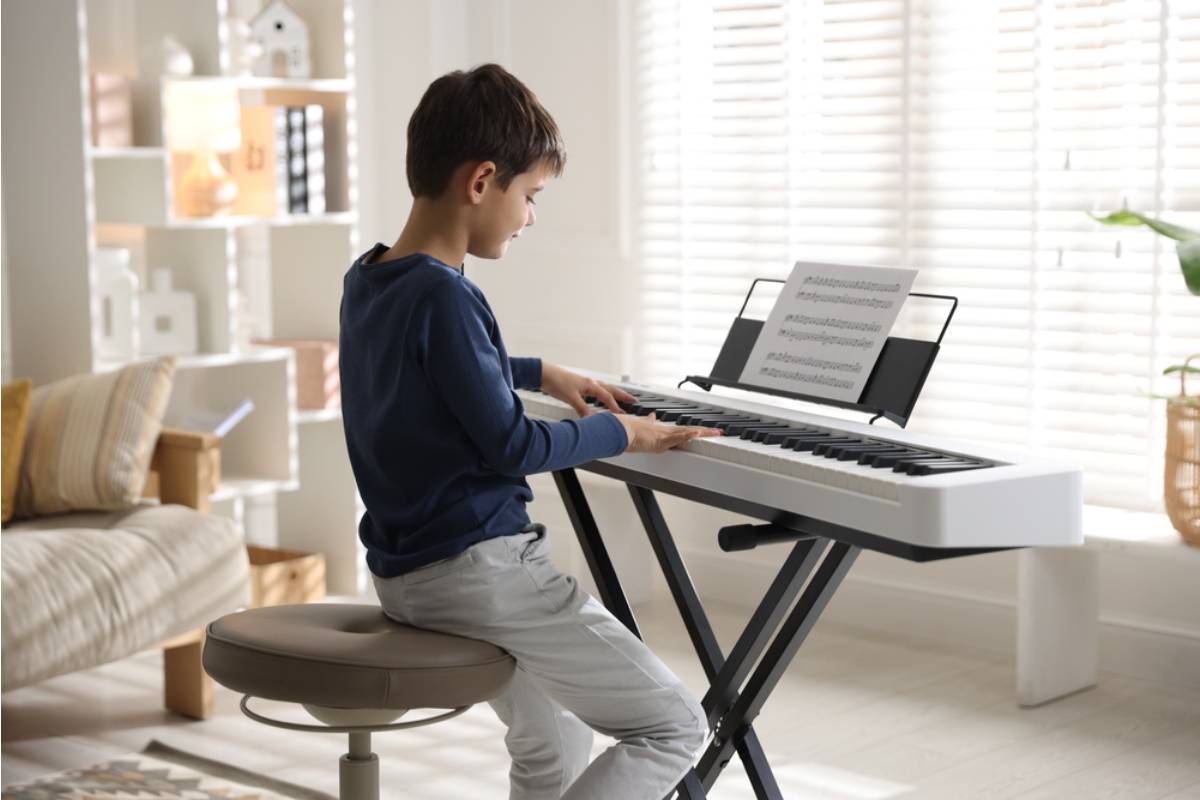
Two months before the recital, the piano in the living room had become both a routine and a battleground. Every evening, the same argument would start before the first note was even played. The boy would sit down reluctantly, hands hovering over the keys like they belonged to someone else. His father would stand behind him, arms crossed, waiting for the practice to begin properly. What used to be a hobby had slowly turned into something heavier in their home.
The Moment the Decision Was Not Negotiated
It started on a Tuesday when the boy said he wanted to quit. He had just finished a practice session that ended in frustration, fingers slipping on the same passage again and again. He closed the piano lid and said he was done for good. His father did not yell, but he did not agree either. He simply said the recital was already set and quitting now was not an option. The silence that followed felt longer than the argument itself.
A Mother Who Stepped Back From the Conflict
His mother stayed out of it at first, watching from the kitchen doorway while the two of them spoke. She had seen this pattern before, the pushing and the withdrawal. Later that night she asked her ex-husband why he was being so strict about it. He said the boy needed to finish what he started or he would never learn discipline. She did not argue further, but her expression made it clear she was not fully convinced. From that point on, she stopped commenting and only listened.
Practice Sessions That Started Losing Their Shape
Over the next weeks, practice stopped sounding like music and started sounding like obligation. The boy would rush through pieces just to get them over with. His father corrected him more often, sometimes stopping him mid-measure. There were evenings when the same section was repeated so many times that the notes lost meaning. The boy stopped asking questions and started answering everything with silence. The piano bench became a place he sat because he had to, not because he wanted to.
A School Friend Who Noticed the Change First
At school, one of his friends mentioned that he no longer talked about music the way he used to. Before, he would describe pieces he liked or complain about difficult passages. Now he avoided the subject entirely. When asked about the recital, he shrugged and changed the topic. The friend later told a teacher that something seemed off, but it did not sound serious enough for anyone to act on it. Still, the observation lingered quietly in the background.
The Email That Reignited an Old Argument
The school sent out a reminder about recital seating and rehearsal schedules. The boy saw it first and did not say anything. His mother saw it later and asked him if he was still planning to perform. He hesitated before saying he did not know. That evening, she called her ex-husband, and the conversation quickly turned tense. She said the boy should be allowed to step back if he wanted. He responded that backing out now would teach him to give up too easily.
A Heated Exchange That Broke the Routine
The argument escalated when the boy overheard them speaking. He walked into the room and said he did not want to be part of the recital at all. His father told him that nerves were normal and not a reason to quit. The boy insisted it was not nerves but exhaustion from something he no longer enjoyed. The mother stepped in and asked both of them to pause, but neither did. That night ended with the piano untouched and the house unusually quiet.
A Teacher Calls After a Missed Practice
The piano teacher eventually called after the boy missed a scheduled lesson. She asked if everything was alright, noting that his progress had stalled. His father explained that they were working through commitment issues at home. The teacher responded carefully, saying she had noticed the change in his playing long before the missed session. After the call ended, there was no immediate reaction, but the comment stayed in the air longer than expected.
A Private Conversation That Changed Nothing and Everything
Later that evening, the father tried speaking to his son without mentioning the recital. He asked how school was and whether anything else was bothering him. The boy answered briefly but avoided eye contact. When asked directly about quitting, he said he just wanted to stop piano altogether. His father said the timing did not make sense and that he would regret walking away now. The conversation ended without resolution, only repetition of the same positions.
The Ex-Wife Draws a Line in the Sand
A few days later, the mother told her ex-husband that she could not support continuing the lessons against the boy’s will. She said the recital had become more about pride than learning. He accused her of undermining structure and consistency. She replied that forcing performance was not the same as teaching discipline. The disagreement became personal, and for the first time, they discussed boundaries rather than the child’s progress. Neither side backed down.
The Boy Stops Practicing Entirely
After that argument, the boy stopped going to the piano altogether. He would walk past it in the living room without looking at it. His father did not immediately force him back, but the expectation remained unspoken. The silence between them grew heavier than previous arguments. Even simple conversations about dinner or school became shorter. The recital date stayed on the calendar like something unavoidable but increasingly unwanted.
A Decision Made Without Agreement
With only a few weeks left, the father informed the teacher that the boy would still perform. The mother found out later and confronted him about making that decision alone. He said it was too late to withdraw without consequences for everyone involved. She said it should never have reached that point without the child’s consent. The boy overheard part of the conversation and said nothing. That silence became its own answer.
The Recital Night That Felt Nothing Like Celebration
On the night of the recital, the boy walked onto the stage without looking at the audience. His hands shook slightly as he sat at the piano bench. In the front row, his parents sat separated by several seats, not speaking to each other. He began playing, not perfectly, but steadily enough to continue. When he finished, there was applause, but it felt distant to him. Backstage afterward, he did not say whether it had gone well or badly.