Dad Says His Child Started Keeping More Secrets Than Before and Now He Feels “Shut Out Without Knowing Why”

When a child starts keeping more to themselves, it can feel like a sudden shift, especially for a parent who was used to open conversations. Often, though, this change develops gradually as kids grow and their needs evolve.
Privacy Is Becoming More Important
As children get older, they naturally begin to value personal space and privacy. Keeping some thoughts or experiences to themselves is part of that process. It doesn’t always mean they’re hiding something serious. It can simply reflect growing independence. The need for boundaries increases with age.
Communication Styles Are Changing
Younger kids tend to share everything, but as they grow, communication becomes more selective. They may choose what to talk about and what to keep private. Conversations may become shorter or less detailed. This shift can feel like distance. In reality, it’s often a change in style rather than connection.
Fear of Judgment Can Reduce Openness
If kids worry about being corrected, questioned, or misunderstood, they may hold things back. Even well-meaning reactions can feel like pressure to them. This makes them more cautious about what they share. Over time, they may choose silence over explanation. Emotional safety plays a big role.
Peer Influence Is Increasing
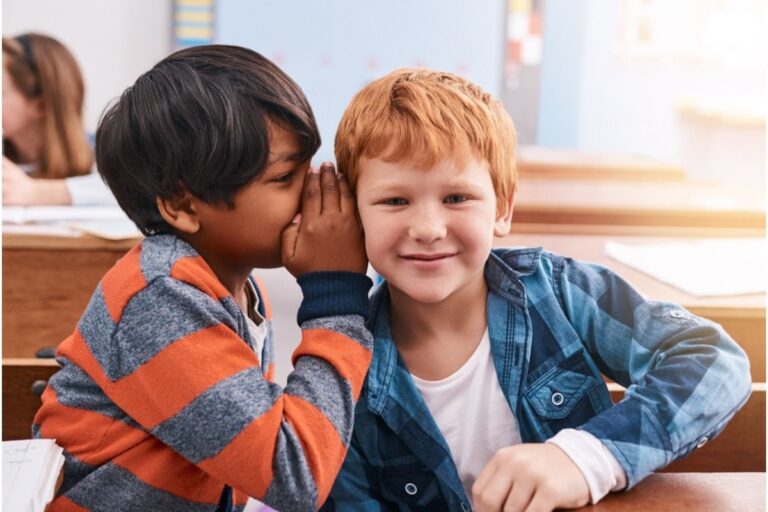
Friends and social circles become more central as children grow. They may share more with peers who feel easier to relate to in certain situations. This doesn’t replace the parent-child bond, but it does shift where some conversations happen. Social dynamics influence openness. It’s part of expanding relationships.
Independence Brings More Personal Experiences
As kids spend more time outside the home, at school, activities, or with friends, they have experiences parents aren’t directly part of. This naturally creates a gap in shared knowledge. Not everything gets reported back. It’s not always intentional secrecy. It’s simply more happening outside the parent’s view.
Timing and Environment Affect Conversations
Kids are more likely to open up when they feel relaxed and not pressured. Direct questioning can sometimes shut down conversation. Casual, low-pressure moments often work better. If those moments are limited, sharing decreases. The setting matters more than expected.
It May Not Be About One Specific Event
Parents often look for a single reason behind the change, but it’s usually a combination of small shifts over time. Growth, environment, and personality all play a role. There may not be a clear “cause.” The change can feel sudden even if it wasn’t.
Rebuilding Openness Takes Patience
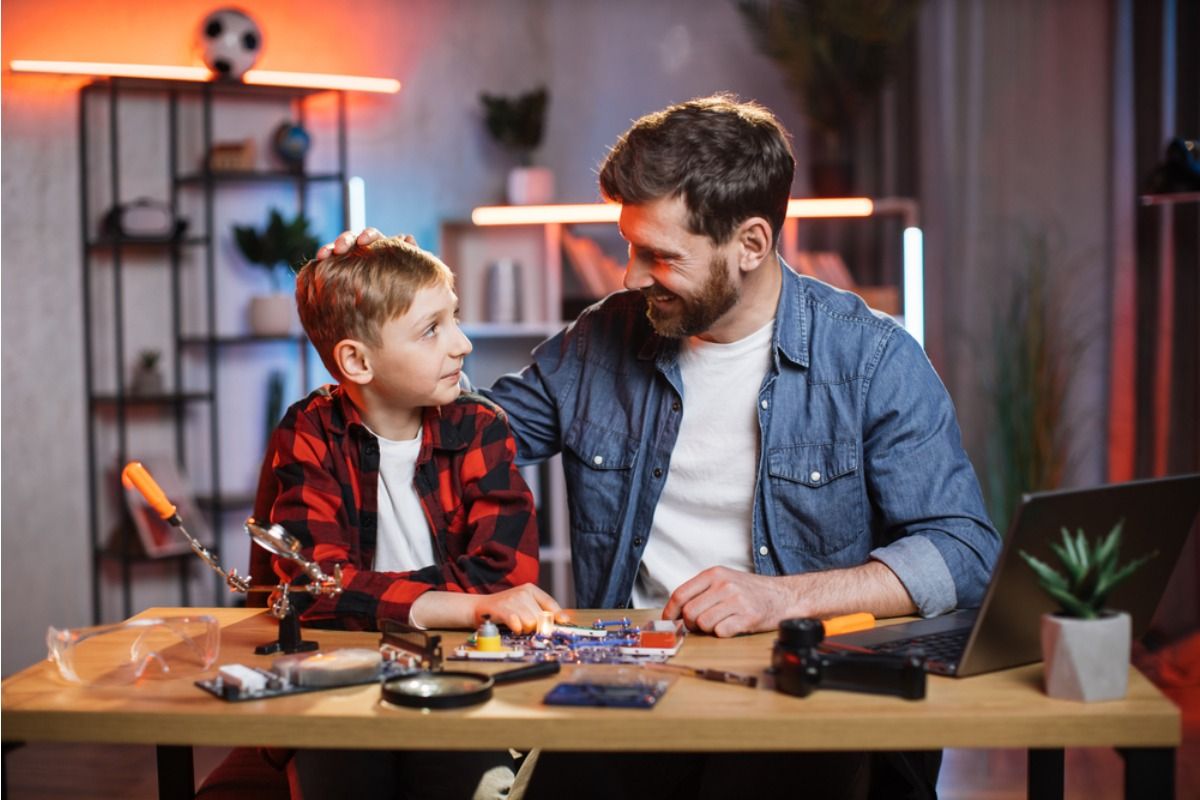
Creating space for conversation without forcing it can help. Showing interest without immediate reaction makes sharing feel safer. Consistency over time matters more than one big talk. Trust builds gradually. Openness often returns in small steps.
Respecting Privacy While Staying Connected
Balancing a child’s need for privacy with staying involved is challenging. Too much pressure can push them further away, while too much distance can weaken connection. Finding that balance takes adjustment. It’s an ongoing process.
A Normal but Difficult Phase
Feeling shut out can be painful for parents, but this phase is common as kids grow. It reflects changing needs rather than a loss of relationship. Staying available and supportive helps maintain the bond over time.
When children start keeping more to themselves, it can feel like a loss of connection, but often it’s part of growing up. With patience and understanding, many families find new ways to stay connected even as communication evolves.