Mom Says She Did Everything to “Protect Her Kids From Struggle,” Now She’s Worried They Can’t Handle Real Life

Many parents try to shield their children from hardship, believing it will give them a happier, more secure upbringing. In the moment, stepping in to fix problems or smooth difficulties feels like care. But over time, some parents begin to wonder if too much protection has left their children unprepared for real-world challenges.
Protection Can Limit Problem-Solving Skills
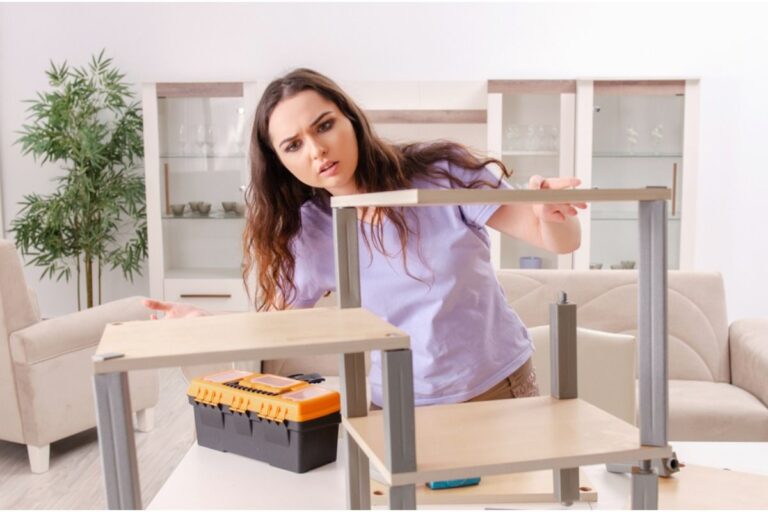
When parents regularly step in, children miss chances to figure things out on their own. Small challenges—like resolving conflicts, managing time, or handling disappointment—are where problem-solving develops. Without these experiences, real-life situations can feel overwhelming later.
Struggle Is Part of Learning
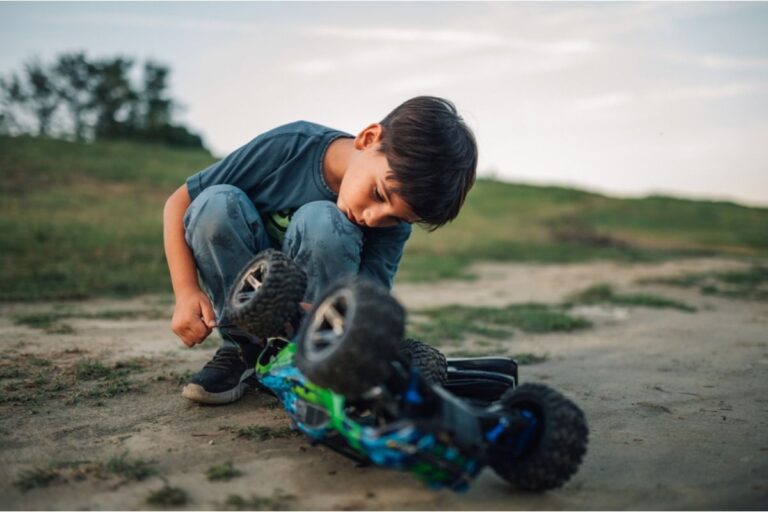
Discomfort and failure are often how resilience is built. When children don’t experience setbacks, they may not learn how to recover from them. Even minor struggles help build confidence in handling bigger ones later.
Confidence Comes From Doing, Not Avoiding
Children gain confidence by facing situations themselves and seeing that they can handle them. If challenges are removed too quickly, that sense of capability may not fully develop. They may begin to doubt their ability to manage difficulties independently.
Responsibility Grows Through Experience
Everyday responsibilities—chores, commitments, and consequences—teach accountability. When these are minimized to keep life easy, responsibility can take longer to develop. Real-world expectations may then feel unfamiliar or stressful.
Emotional Readiness May Be Delayed
Facing frustration, disappointment, and effort helps children regulate emotions over time. Without those experiences, emotional reactions to stress can be stronger. Learning to cope gradually is what builds emotional resilience.
It’s Possible to Reintroduce Challenge
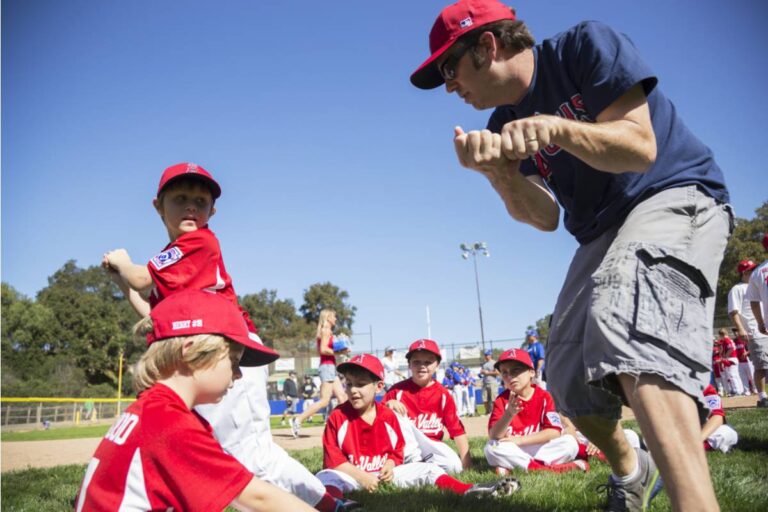
Building resilience doesn’t require sudden or harsh changes. Gradually allowing children to take on responsibilities, make decisions, and face outcomes can help. Support can still be present without removing every difficulty.
Protecting children comes from a place of love, but growth often happens through manageable challenges. When children are given the space to struggle in safe ways, they are better prepared to handle real life with confidence and resilience.