Do Parents Actually Like Spending Time With Their Kids… Or Just Say They Do?

Ever catch yourself wondering if parents are really having fun with their kids, or if they just say so because it sounds good? The moments families share together might look picture-perfect, but what’s really going on behind the scenes?
Spending time with kids is often called the heart of parenting. But the real feelings around these moments can be a lot more complicated.
Many parents do enjoy time with their kids, but their true feelings can be more complex than just liking or not liking it. Finding the balance between work, personal time, and family can be tough.
Parenting is a mix of joy and challenge, and the feelings parents have about family time often reflect that. It’s not always simple or straightforward.
Parents genuinely treasure moments with their kids despite busy schedules!

Even with calendars packed full of meetings, chores, and errands, parents often find themselves savoring small, unexpected moments with their kids. It’s not about the quantity of time, but the quality.
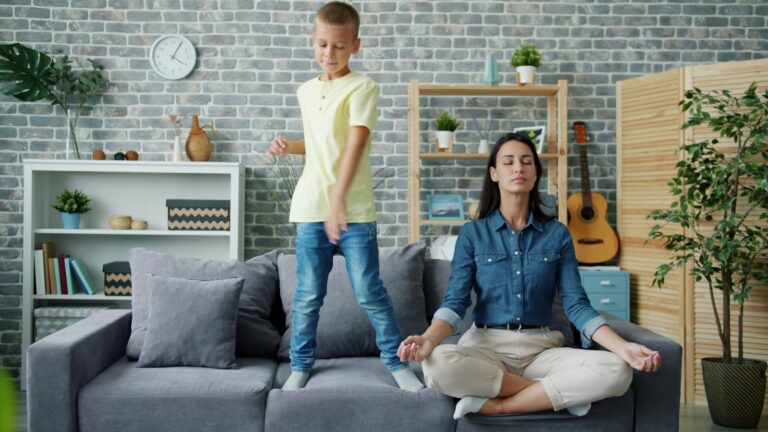
A quick laugh over breakfast or a silly dance in the living room can make a long day feel lighter. These little interactions can leave everyone smiling.
Connecting with your kids, even briefly, can boost your mood just as much as theirs. Sometimes, a simple hug or sharing a story at bedtime is all it takes to feel close.
Parents often focus on making the time they do have count. Small, meaningful rituals—like talking about your day or reading together—can mean the world.
Many parents express a strong desire to spend even more quality time with their children

A lot of parents wish they could slow life down and spend more moments with their kids. It’s not just about being physically present, but about making that time special and memorable.
You might feel pulled in a dozen directions, but the hope to connect with your child is always there. That desire alone shows how much family matters.
Sometimes, there’s guilt about not having enough time or worrying if you’re doing enough. But wanting more time together is a sign you care deeply.
Parents often look for creative ways to make family time happen, even when schedules are tight. It’s that drive to connect that keeps family bonds strong.
Fathers have quadrupled their active caregiving time since the 1960s—love is growing!

Dads today are more involved than ever before. Since the 1960s, fathers have gone from spending just minutes a day in hands-on caregiving to almost an hour.
This shift means dads are showing up for bedtime stories, school projects, and playtime. They’re not just present, they’re participating.
Younger generations, especially millennial dads, are embracing this change. Being involved in childcare is now a big part of their identity.
If you’ve ever wondered if dads actually like spending time with their kids, the numbers say it all. Fathers are making real efforts to be part of their children’s lives.
Parents multitask to maximize time, showing real commitment to family bonds

Modern family life means multitasking is the norm. Parents often blend work, chores, and play to make sure they’re connecting with their kids.
Chatting while making dinner or singing along to songs in the car can turn everyday routines into moments of connection. These little bits of time add up.
Multitasking helps parents fit family time into busy days. It’s not about waiting for a big block of free time, but about making the most of what you’ve got.
Balancing responsibilities and showing love at the same time is a real skill. Parents prove their commitment by finding ways to be present, even on the busiest days.
Studies reveal quality parent-child time boosts kids’ academic and social success

Meaningful time with your kids can make a real difference in their lives. Research shows that what you do together matters more than how long you do it.
Kids who spend quality time with parents often do better in school and feel more confident. Playing, talking, and sharing activities help them learn and grow.
These moments also support social skills. Children who connect with their parents tend to handle emotions better and have fewer behavior problems.
Even when life gets hectic, being present for your kids helps create a positive environment. The time you share shapes who they become, both in and out of the classroom.
Parents often feel social pressure to say they value time, but deep down, many truly do.

It can feel like everyone expects parents to say they love family time, especially in a world that puts family front and center. There’s pressure to show you’re always making time for your kids, even when life is overwhelming.
But behind the scenes, many parents genuinely enjoy those moments. The connection, the laughter, and even the small daily routines often bring real happiness.
Parents talk about helping with homework or sharing a bedtime story, and those aren’t just for show. These everyday moments mean a lot to families.
So while social pressure exists, the love parents have for spending time with their kids runs deep. It’s often these little things that matter most.
Moms working from home tend to spend more focused time with their children daily

Working from home has changed the game for a lot of moms. Being under the same roof means you can catch more of those little moments with your kids.
It’s not just being physically present, but actually spending focused time together. That might look like helping with homework or just being there for a quick chat.
Balancing work and family in the same space isn’t always easy. Sometimes you’re answering emails with a child on your lap.
But many moms say they feel more connected because of it. Being part of your kids’ daily lives, even in small ways, can strengthen your bond.
Post-pandemic, dads especially report enjoying extra bonding time with their kids

The pandemic changed routines for everyone, but for many dads, it brought unexpected gifts. More time at home meant more chances to connect with their kids.
Many fathers say they feel closer to their children now. Simple things like playing together or just hanging out created memories that wouldn’t have happened otherwise.
It’s not just the kids who benefited. Dads found themselves happier and more involved, taking on new roles at home.
This shift has changed how many dads see themselves as parents. They’re more engaged and present, and the impact is lasting.
The joy of family routines like weekly game nights reflects authentic parental engagement

Setting up regular family routines, like game nights, can bring everyone together. It’s a chance to relax, laugh, and just be yourselves.
These moments aren’t about doing something for the sake of it. They’re about building memories and trust that last.
Kids notice when you make time for these routines. It tells them their company matters and that you want to be involved in their lives.
Game nights can also teach important life skills, like patience and teamwork. Plus, it’s just plain fun for everyone.
Parents find that genuinely enjoying time with kids reduces guilt and increases happiness
Finding real joy in time with your kids can make parenting feel less like a chore and more like a gift. When you’re present, the guilt about not doing enough often fades away.
Enjoying these moments creates a stronger bond and helps your kids feel secure. It also makes you feel more relaxed and fulfilled as a parent.
Quality time doesn’t have to be long. Even a few focused minutes can boost happiness and ease stress for everyone.
It’s not just about spending time together—it’s about really enjoying it. That’s what builds a happier family life.
Understanding the Dynamics of Parent-Child Bonding
Every family has its own unique rhythm, and the bond between parents and children grows out of countless everyday moments. Sometimes it is the little things—like a shared laugh or a comforting hug—that make the biggest difference.
These small connections shape how you and your child relate to each other. Over time, trust and understanding grow from these shared experiences.
The feelings, actions, and attitudes in your relationship are grounded in real science. The benefits of a strong bond can be seen in both your well-being and your child’s.
The Science Behind Family Connection
Your connection with your child begins early and is rooted in biology. Scientists refer to this as attachment, which forms when you respond to your child’s needs.
This consistent care helps your child feel safe and secure. Brain research shows that positive interactions, like playing or having a conversation, activate areas in the brain linked to love and reward.
These moments strengthen your emotional connection. Each parent brings something unique to the table.
Fathers might encourage confidence and social skills through play. Mothers often provide comfort, which promotes a sense of security.
Understanding these differences can help you see the unique ways you support your child’s development.
Emotional Benefits of Quality Time
Quality time is about being present and engaged, not just sharing space. When you do activities together, you build a foundation of trust and respect.
These moments help your child feel like they belong and boost self-esteem. They also teach important skills for managing emotions and solving problems.
You do not need hours; even short, consistent moments like reading together or sharing meals make a difference. Simple routines can keep your relationship strong and help both of you feel happier.
Cultural and Social Influences
Your approach to parenting is shaped by more than just personal preference. Culture and society influence what feels normal or expected when it comes to spending time with your kids.
These outside pressures can affect how you show care and how much time you feel you should spend together.
How Expectations Shape Parenting Experiences
Balancing work, personal time, and family can feel overwhelming. In many cultures, being a good parent is tied to spending meaningful time with your children.
Even with a busy schedule, the desire to be present matters. There is often pressure to appear deeply involved, even when finding the time is tough.
Cultural ideas about parenting often highlight goals like teaching values or keeping kids safe. These beliefs influence how you think about your time together and what you prioritize as a parent.
Media Portrayals vs. Real-Life Attitudes
Scrolling through TV shows or social feeds, it can feel like every parent is endlessly cheerful and engaged with their kids. There are always smiles, games, and perfect moments on display.
But real life rarely looks like that. Most parents deal with stress, exhaustion, and mixed emotions every day.
Sometimes, people say they love every minute with their children because it feels expected. You might even find yourself saying you enjoy it when the truth is more complicated.
It helps to notice the difference between what’s shown and what’s real. Your parenting experience does not have to look like anyone else’s.