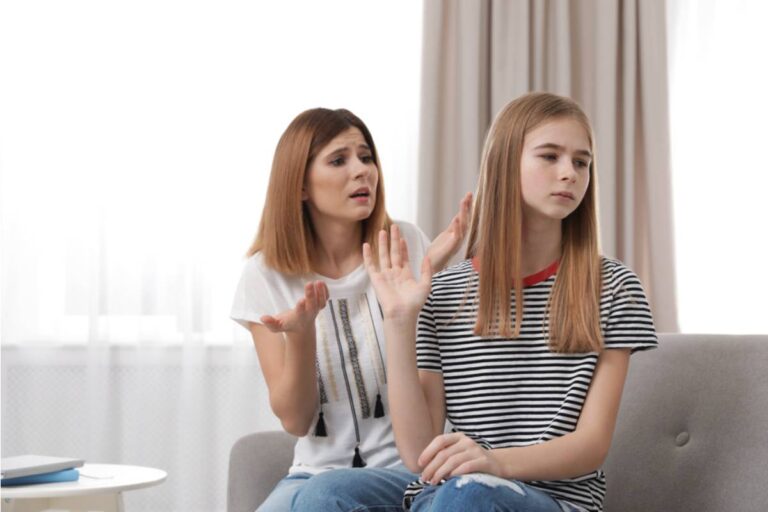
“I Don’t Think I Want My Mom in My Life Anymore”

“I don’t think I want my mom in my life anymore.” Those words landed in a recent r/AITA post like a thrown stone simple, devastating, impossible to ignore. The poster described a long accumulation of hurt: repeated boundary violations, passive-aggressive guilt, and parenting choices that left them feeling unseen and unsafe. The thread quickly became a raw, public reckoning about what it means to love someone and also to protect yourself from them.
The post and the fracture
In the post, the original poster outlined a pattern of behavior that finally pushed them to consider cutting ties. They described attempts to communicate that were met with minimization or blame, and episodes where the mother’s actions felt controlling or dismissive rather than supportive. The OP emphasized exhaustion—the sense of having tried everything and still being left emotionally drained. Rather than paint this as a single catastrophic moment, the OP framed it as the end of patience after years of cumulative harm.
Why the thread resonated so strongly
The post exploded because it touched a universal pain: family relationships that are supposed to be safe and unconditional instead become a source of chronic stress. Commenters grouped into several camps. Many expressed solidarity with the OP, sharing their own estrangement stories and encouraging boundary-setting as self-preservation. Others urged caution—suggesting therapy, family counseling, and carefully considered time-limited space before making permanent choices. A third group focused on nuance, noting that parental behavior often stems from generational patterns, untreated mental health issues, or cultural dynamics that complicate blame and repair.
The emotional landscape of stepping away
Deciding to distance yourself from a parent is rarely a single feeling. For OP and commenters alike, there were intertwined emotions: grief for what was lost or never had, relief at no longer being the target of blame, guilt at rejecting a parent, and fear about how the choice will ripple through the rest of the family. These emotions aren’t contradictory; they coexist and can feel overwhelming. Anyone contemplating estrangement often moves through a messy mix of mourning what could have been and protecting what remains of their mental health.
Why boundaries matter—and what they look like
Several Reddit responders emphasized that establishing and enforcing boundaries is a skill, not a punishment. Boundaries might begin small—a limit on how often you speak, the topics you will discuss, or whether you respond to guilt-laden texts. More formal steps can include gray-rocking (keeping interactions dull and non-reactive), temporary no-contact periods, or specifying consequences for certain behaviors. The post made clear that boundaries are not about “winning” but about creating an environment where the OP can heal and function without ongoing emotional harm.
Paths toward repair—or toward healthy distance
Repair is possible, but it requires reciprocity that OP reported not receiving: acknowledgment of harm, consistent behavior change, and often the help of a neutral third party like a therapist. When those elements aren’t present, distance may be the healthiest option. The Reddit thread also highlighted practical ways to manage the aftermath—setting up supportive relationships, seeking individual therapy to process grief and guilt, and preparing scripts for future interactions so you can stay calm and clear. For some, formalizing boundaries in writing or legal measures becomes necessary when safety or financial entanglements are involved.
What To Keep In Mind
If you find yourself relating to the OP, here are several practical considerations to steer through a painful decision. First, give yourself permission to prioritize your well-being without needing to justify that choice to everyone. Second, document patterns of behavior so your decisions are grounded in specifics rather than a single bad day. Third, try time-limited steps first—temporary no-contact or therapy-mediated conversations can clarify whether repair is possible. Fourth, build a support network: friends, partners, or professionals who can validate your experience and keep you accountable. Finally, remember that estrangement can be revisited; choices aren’t always permanent. Some families reconnect after significant changes, while others do not—and both outcomes can be healthy when they respect boundaries and safety.
No one should have to stand alone under the weight of a relationship that continually damages them. The Reddit post didn’t ask for advice in the abstract; it asked for permission to protect oneself. For many readers, that permission was the most important reply of all.