Why Does Everyone Have Social Anxiety Now, And Do We All Need to Get a Grip?

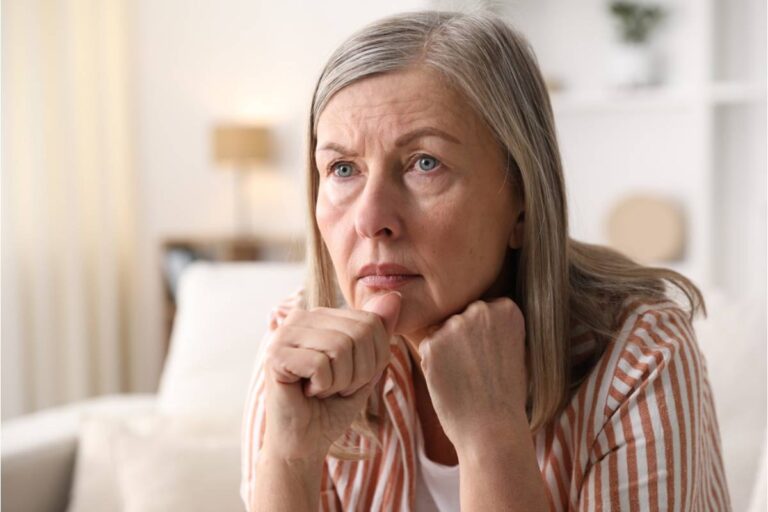
If it feels like everyone suddenly has social anxiety, you’re not imagining it.
Parents talk about dreading school drop-off conversations. Teens freeze at the thought of phone calls. Even casual social plans can feel overwhelming. What used to be brushed off as shyness or nerves now has a name, and it’s everywhere.
But why does social anxiety feel so widespread right now? And are we becoming more anxious, or just more aware?
Social Anxiety Isn’t New, But How We Live Is
According to guidance from the British Association for Counselling and Psychotherapy, social anxiety exists on a spectrum. Feeling nervous before social situations is completely normal. The problem arises when fear of judgment or embarrassment starts limiting daily life.
What is new is the environment we’re navigating.
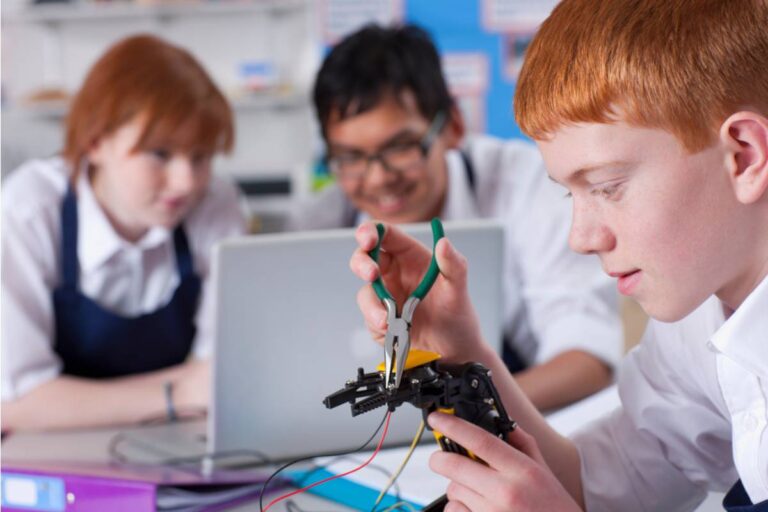
Many people are spending less time in unstructured, face-to-face interaction and more time communicating through screens. That shift quietly erodes social confidence, especially for kids and teens who are still learning how to read body language, manage awkward moments, and recover from small social mistakes.
The Social Media Effect: Anxiety on Display
One insight from recent reporting highlights how social media amplifies social anxiety in a unique way.
Instead of social interactions being temporary and imperfect, moments are now:
- Filmed
- Posted
- Analyzed
- Compared
For teens especially, there’s a constant awareness of being watched, or potentially judged, even offline. A single awkward moment can feel permanent when it lives online.
Parents often notice this in kids who are confident at home but anxious in public, group, or school settings.
Avoidance Feels Safer, But Makes Anxiety Stronger
One of the most important points mental health experts stress is that avoidance feeds anxiety.
When we dodge uncomfortable situations, parties, phone calls, meetings, playdates, our brains learn that avoidance equals safety. Over time, even small interactions start to feel threatening.
For families, this can show up as:
- Kids refusing extracurriculars they once loved
- Teens opting out of social events
- Parents avoiding community spaces or school involvement
It’s not laziness or entitlement; it’s a learned fear response.
Are We Labeling Normal Nerves as a Disorder?
Here’s where the “do we all need to get a grip?” question comes in.
Experts caution against pathologizing every uncomfortable feeling. Nervousness, awkwardness, and social missteps are part of being human. If we label every challenge as anxiety, we risk teaching kids that discomfort is something to escape rather than work through.
The key distinction is impact:
- Feeling nervous but functioning → normal
- Feeling anxious and avoiding life → needs support
What This Means for Parents and Kids
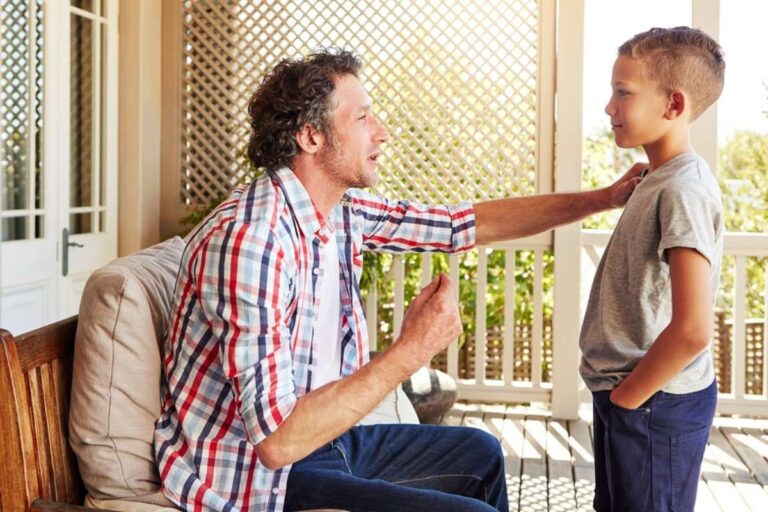
For parents raising kids in this environment, the takeaway isn’t to minimize anxiety — but to normalize discomfort.
That means:
- Encouraging small social risks
- Resisting the urge to rescue kids from every awkward moment
- Modeling imperfect, real-life interaction
Social confidence isn’t built by avoiding discomfort. It’s built by surviving it, and realizing it wasn’t as bad as feared.
So… Do We Need to “Get a Grip”?
Not exactly. We need better balance.
More real-world interaction. Less performance pressure. More patience with ourselves and our kids, without lowering expectations so far that anxiety runs the show.
Social anxiety may feel like it’s everywhere right now, but with the right support and perspective, it doesn’t have to define an entire generation.
Source: British Association for Counselling and Psychotherapy
https://www.bacp.co.uk/
You Might Also Like: