Kids Are Staying Up Later on Devices Than Parents Realize and Some Families Say “We’ve Lost Control of Bedtime”

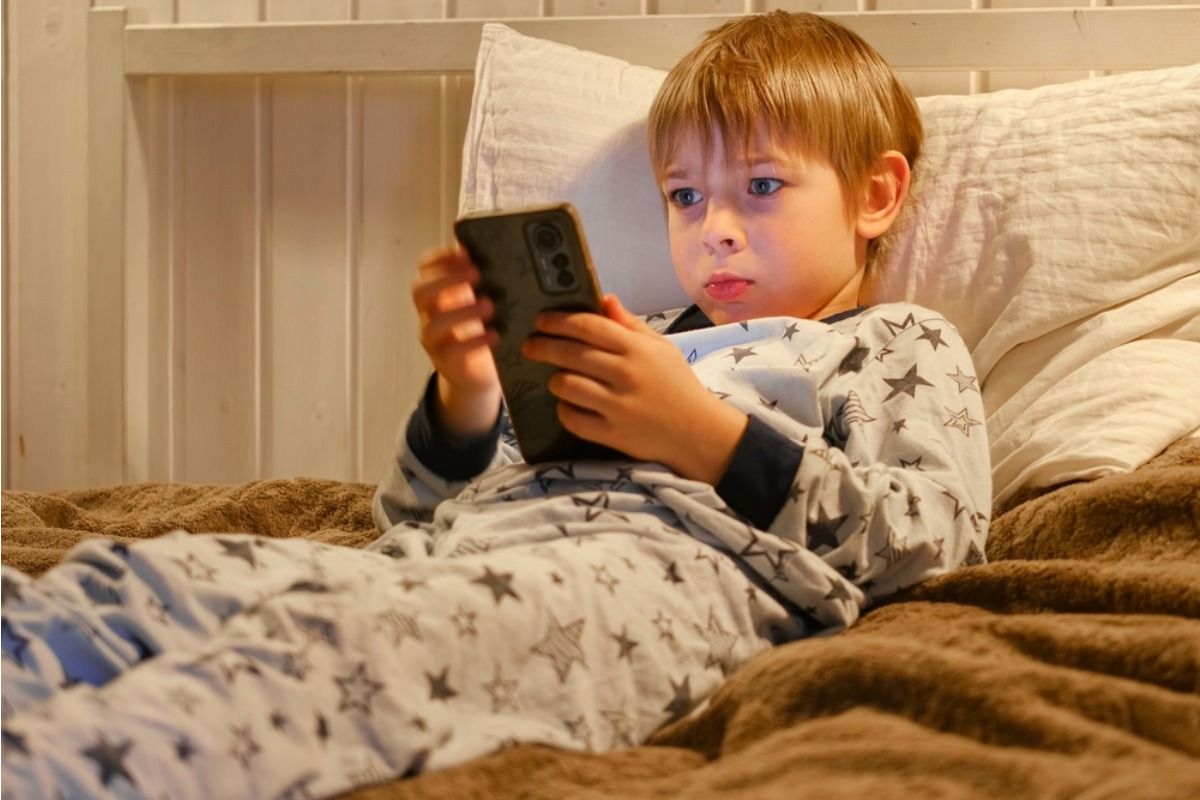
More families are realizing that kids are staying up later on devices than expected, and it’s quietly disrupting sleep routines. What looks like a normal bedtime on the surface often continues behind screens long after lights are off.
Devices Extend Bedtime Without Being Obvious
Phones, tablets, and laptops make it easy for kids to keep engaging late into the night. Even after going to bed, they can continue watching, chatting, or scrolling. This creates a hidden extension of their day. Parents may think bedtime is being followed when it’s not. The routine looks intact but isn’t.
Sleep Schedules Are Gradually Shifting Later
Late-night device use can push sleep time further each night. Over time, this leads to irregular sleep patterns. Waking up becomes harder, especially on school mornings. The change happens slowly, so it’s not always noticed right away. Eventually, it affects daily energy and focus.
Lack of Supervision Makes It Easy to Continue
Once kids are in their rooms, device use is harder to monitor. Without clear limits, it’s easy for them to stay online longer than intended. Many parents assume devices are being used responsibly. The reality can be different. Independence without boundaries can lead to overuse.
Content Keeps Kids Mentally Engaged
Videos, games, and chats are designed to hold attention. This makes it harder for kids to disconnect and wind down. Even if they plan to stop early, they often continue longer. The stimulation delays sleep naturally. It’s not just about time—it’s about mental activity.
Morning Fatigue Starts to Show
Late sleep often leads to tiredness during the day. Kids may struggle to wake up, feel low on energy, or have difficulty concentrating. This can affect school performance and mood. The link to late-night device use isn’t always immediately clear. It builds over time.
Parents Are Realizing the Gap
Many families only discover the issue after noticing consistent tiredness or behavior changes. By then, the habit may already be established. This creates a feeling of losing control over routines. It’s not intentional—it develops gradually. Awareness often comes late.
Setting Clear Device Rules Becomes Important
Families are starting to introduce boundaries around device use at night. This may include device-free bedrooms or set cutoff times. Consistency is key for these rules to work. Clear expectations help reset routines. Structure replaces guesswork.
Charging Devices Outside the Bedroom Helps
One common approach is keeping devices in shared spaces overnight. This removes the temptation to use them late. It also makes monitoring easier. Small changes in setup can make a big difference. Environment plays a role in behavior.
Communication Matters as Much as Control
Talking to kids about sleep, routines, and device use helps them understand the impact. When they see the reason behind limits, they are more likely to follow them. Open discussion works better than strict enforcement alone. Understanding builds cooperation.
A New Challenge for Modern Parenting
Managing bedtime now includes managing technology. What used to be a simple routine is now more complex. Families are adapting to this change in different ways. The goal is not to remove devices completely, but to use them in a balanced way.
Late-night device use is quietly reshaping sleep habits in many homes. For families, regaining control of bedtime often starts with small, consistent changes that bring routines back into balance.