Mom Says Her Boyfriend’s Mom Cut Her Child’s Hair Without Asking and the Fallout Is Still Messy

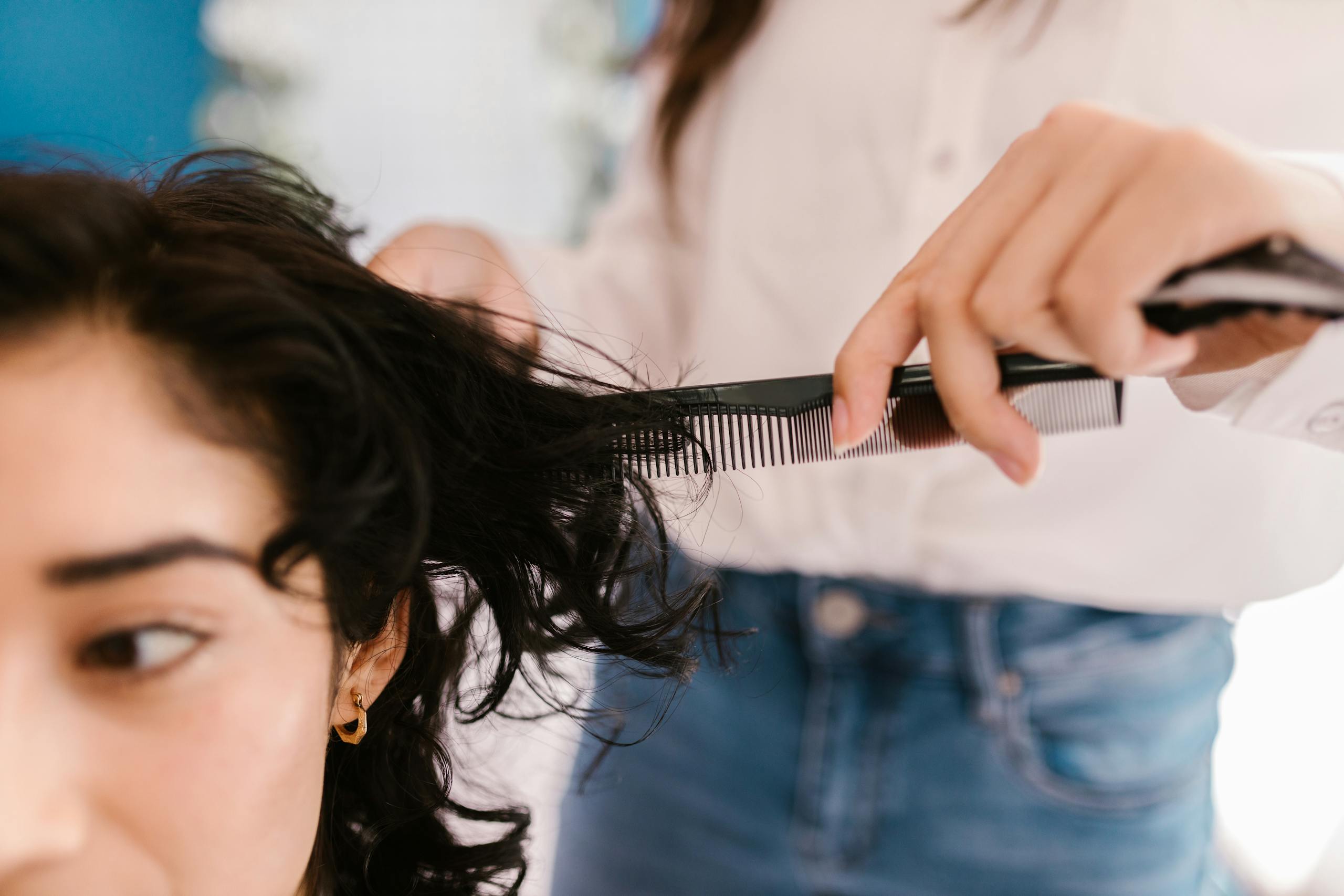
When a parent discovers someone has altered their child’s body without permission, it feels like a violation — small in action but huge in trust. That’s the experience a user on r/Parenting shared after her boyfriend’s mother reportedly cut her child’s hair without asking. The post sparked a storm of reactions, and the “fallout” she described shows how quickly a single act can expose simmering tensions about boundaries, authority and respect in blended families.
What the Redditor reported
The original poster wrote that her boyfriend’s mother cut her child’s hair without asking and that the aftermath has become tense and emotionally messy. She described feeling blindsided and upset, while other family members had mixed reactions. On the thread, commenters debated whether the act was a harmless gesture, a breach of boundaries, or a symptom of deeper relationship issues between the poster and her boyfriend’s family. Because the account comes from a single user’s post, details are presented as her perspective and reactions rather than independently verified facts.
Why a haircut can feel like a big deal
Hair is more than a style choice for many parents and children. It carries cultural meaning, personal expression, grooming routines and, for some families, specific rituals. When someone cuts a child’s hair without consent, it can feel like a dismissal of the parent’s role and decisions. Beyond aesthetics, it undermines the trust that parents expect from adults who spend time with their kids. The anger and hurt the Redditor described are common: people react not just to the act itself but to the message it sends about who gets to make decisions for the child.
How family dynamics fuel the reaction
Incidents like this often reveal existing friction. The poster said the fallout was “messy,” and readers recognized familiar patterns: the person who crossed the line may believe they were being helpful, the partner may minimize the upset to reduce conflict, and the parent may feel unsupported. These dynamics can escalate because the haircut becomes shorthand for bigger issues — lack of respect, competing parenting philosophies, or an imbalance of influence. For couples, the moment tests whether partners will defend household boundaries and validate each other’s concerns.
Responses that calm versus responses that inflame
How people respond after such an incident matters. Commenters on the thread suggested a range of approaches: some urged a firm conversation with the grandparent about boundaries, others counseled compromise if cultural or generational differences were at play. What tended to help the situation was a clear, calm explanation of why the haircut was unacceptable without making the grandparent feel attacked. Responses that inflamed the situation included public shaming, escalating accusations, or withholding the child without a prior discussion — moves that deepen distrust and make future interactions more fraught.
Practical steps parents can take immediately
If you find yourself in this position, start with a short, direct conversation. Explain what happened, why it matters, and how you expect to be treated going forward. Ask for an apology if that’s important to you, and listen to any explanation without assuming malice; some people genuinely believe they’re helping. Next, talk to your partner in private and be clear about what support you need from them. Establishing a boundary — such as “please ask before touching my child’s hair” — is reasonable and protectable. If repeated boundary-crossing occurs, consider limiting unsupervised contact or involving a neutral third party for mediation.
What Parents Can Take From This
This Reddit thread is a reminder that small acts can expose deep relationship problems, but they can also become opportunities to strengthen family norms. First, be explicit about your expectations. Don’t assume loved ones know what’s acceptable for your child’s body or appearance. Second, ask your partner to be on the same page; the healthiest response is a united one that protects your child and preserves family ties where possible. Third, practice a script for these uncomfortable conversations: a calm “I appreciate you trying to help, but please don’t cut my child’s hair without asking me” goes a long way. Finally, pick your battles. Some issues are worth standing firm on; others may be resolved through education and empathy. Protecting your child’s autonomy and maintaining respectful relationships are not mutually exclusive, but they do require clarity and consistent enforcement.