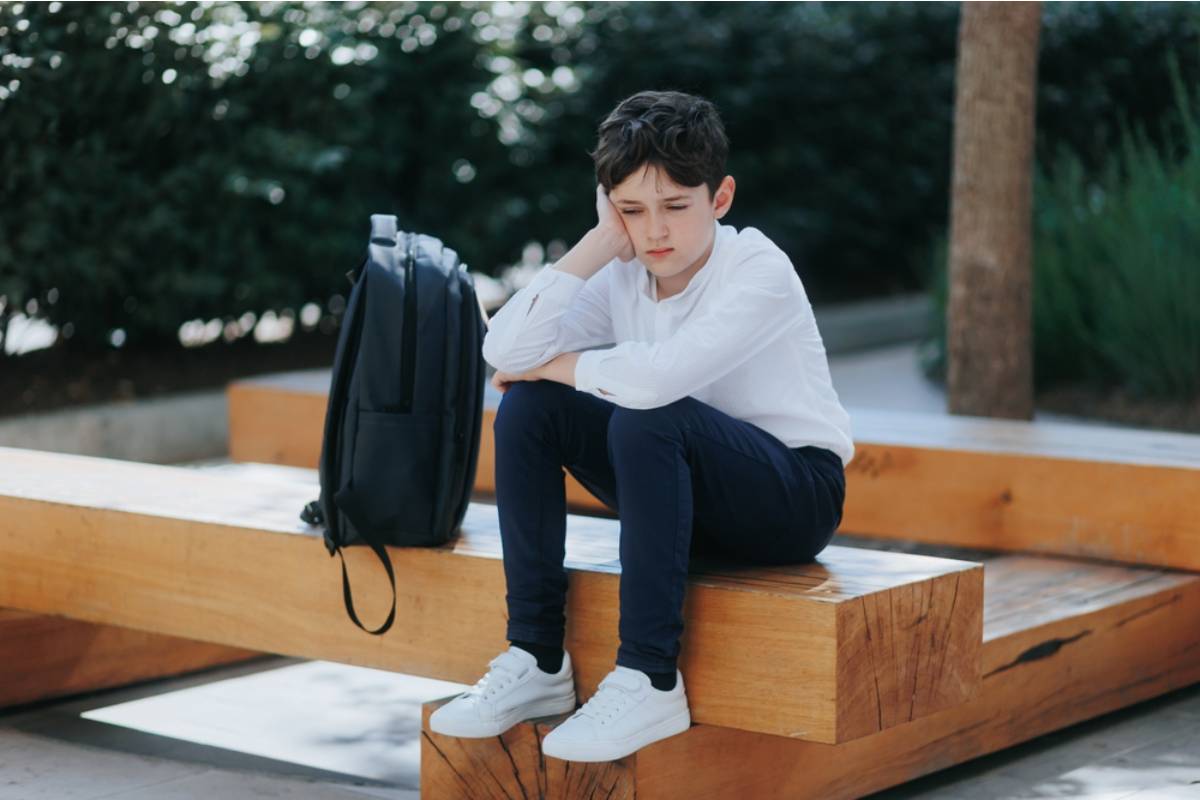
Mom Says She Refused to Buy Name-Brand Clothes Her Kids Demanded, Now They Say She’s “Making Them an Embarrassment at School”

The complaint came out before anyone had even finished eating. The older son pushed his backpack aside and said he could not walk into school in the same hoodie again. His sister nodded like she had been waiting for him to say it first. Their mother stayed calm, asking what exactly was wrong with what they were wearing. The boy said everyone at school was wearing name brands and they looked like they were stuck in middle school. That was the first time she realized this was not a passing phase.
A closet full of clothes that suddenly felt unacceptable
Later that day, she opened their closets one by one like she was trying to understand a problem she did not recognize. There were clean clothes, mostly new, all practical and properly sized. The kids followed her, pointing out what they called “embarrassing outfits” without hesitation. The daughter held up a plain jacket and said no one at school would be caught dead in it. The mother asked when clothes became more important than comfort and cleanliness. Her question was met with silence that said everything.
The school hallway where confidence started breaking down
The next morning, the kids walked into school slower than usual. The hallway felt louder than they remembered, even though nothing had changed. A group of students near the lockers glanced at them and whispered something that made the daughter look down immediately. It was not clear what was said, but it stuck with her the rest of the day. At lunch, they barely spoke to each other, sitting at the edge of the cafeteria. By the time school ended, both of them were convinced their clothes were the problem.
A message home that changed the tone completely
That evening, the daughter sent a message from school saying she wanted new clothes immediately. She added that people were laughing and she could not handle it anymore. The mother read it twice before replying, asking what exactly had been said. The response came back short and emotional, claiming everyone had “better stuff” and they stood out in a bad way. The mother felt a mix of concern and frustration because the situation sounded bigger than just clothing. She decided not to respond immediately and waited for them to come home.
The shopping mall confrontation that went nowhere
The next day, she took them to a nearby mall thinking seeing options might help. The kids moved straight toward the expensive stores they had seen on social media. When she suggested looking at more affordable sections, their expressions changed instantly. The son said he was not going to wear anything that looked cheap in front of his classmates. The mother explained their budget calmly, but it felt like she was speaking a different language. They left the mall without buying anything, all three of them frustrated.
The comment at school that made everything worse
A few days later, the son came home angry and shut himself in his room. After some pressure, he admitted someone had joked that his shoes looked like “donation pair energy.” The phrase stuck in his head more than he wanted to admit. He said it in a mocking tone but his voice cracked halfway through. The daughter added that she heard similar remarks about her backpack. The mother realized this was no longer just about clothing but about social pressure building fast.
The call from a teacher who noticed the shift
The school reached out after both kids started showing changes in behavior. A teacher mentioned they had become withdrawn and distracted in class. The mother listened carefully, hoping for something more concrete. The teacher suggested that peer pressure might be affecting their confidence. That phrase stayed with her longer than expected. It confirmed that the problem was not at home, but something happening around them that she could not fully control.
A family meeting that turned into an argument
That night, she sat them down and tried to explain her perspective again. She said spending beyond their means for labels was not something she could support. The son interrupted, saying she cared more about money than their happiness at school. The daughter added that she felt like she was being punished for not fitting in. The conversation escalated quickly, voices overlapping until no one was really listening. It ended with both kids walking away from the table.
The discovery of a hidden social media account
A week later, she accidentally came across a private account her daughter had been using. The posts showed outfits, classmates, and subtle comparisons about appearance. Some comments hinted at embarrassment about “basic clothes.” The mother felt a mix of disappointment and understanding, realizing how deep the pressure had gone. She did not confront her immediately, choosing instead to observe a little longer. It was clear the issue was no longer just at school but also online.
The unexpected influence of a viral trend
While scrolling through her phone later, she noticed a trend circulating among teens about “aesthetic identity.” It promoted curated wardrobes and brand focused styling as a form of status. It explained why her kids suddenly felt out of place in ordinary clothing. The mother realized they were not just reacting to classmates but to an entire digital culture. That realization shifted her frustration into something more complicated. She could not simply dismiss it as childish behavior anymore.
A compromise that nobody fully liked at first
She eventually sat them down again and proposed a middle path. Instead of expensive brands, they would choose a few key pieces they actually liked and mix them with what they already had. The kids were not convinced at first, calling it a half solution. Still, they agreed to try it if she let them have some input. They spent the weekend picking outfits together, arguing over styles more than prices. It was not perfect, but it was the first time they worked on the problem instead of against each other.
The first day back with new confidence tests
When they returned to school in their new outfits, the reaction was mixed. Some students did not notice, while others gave brief approving comments. The son walked differently, still cautious but less defensive than before. The daughter seemed more focused on how she felt rather than what others might think. There were still moments of doubt, but they did not spiral like before. The day ended without complaints, which already felt like progress.
A quiet realization at the kitchen table
That night, the mother watched them eat dinner without tension for the first time in weeks. The conversation was lighter, focused on normal school details instead of appearance debates. She realized the problem had never been just about clothes. It had been about belonging, identity, and pressure they did not know how to name. The conflict had not fully disappeared, but it had shifted into something manageable. For now, the house felt like it was finally settling back into balance.