Moms Are Baking Breast Milk Into Cupcakes, Shakes and Pancakes to Ward Off the Flu, but the Science Raises a Big Question About Whether It Works

A New York Post report published September 24, 2026 described breastfeeding mothers adding their own milk to everyday family recipes in hopes of helping loved ones stay healthy during cold and flu season. The examples ranged from colorful cupcakes and homemade pancakes to macaroni and cheese and a chocolate shake. What makes the trend particularly striking is that these mothers are taking something commonly associated with feeding infants and turning it into food intended for their wider families.
The idea rests on a genuine feature of breast milk: It contains antibodies and other biologically active substances that support infant health. However, there is an important difference between the established benefits of breastfeeding and the assumption that eating food prepared with breast milk will help someone avoid influenza. The stories behind the videos have drawn attention, but the health claims require a closer look.
One Dallas Mother Starts With Funfetti Cupcakes
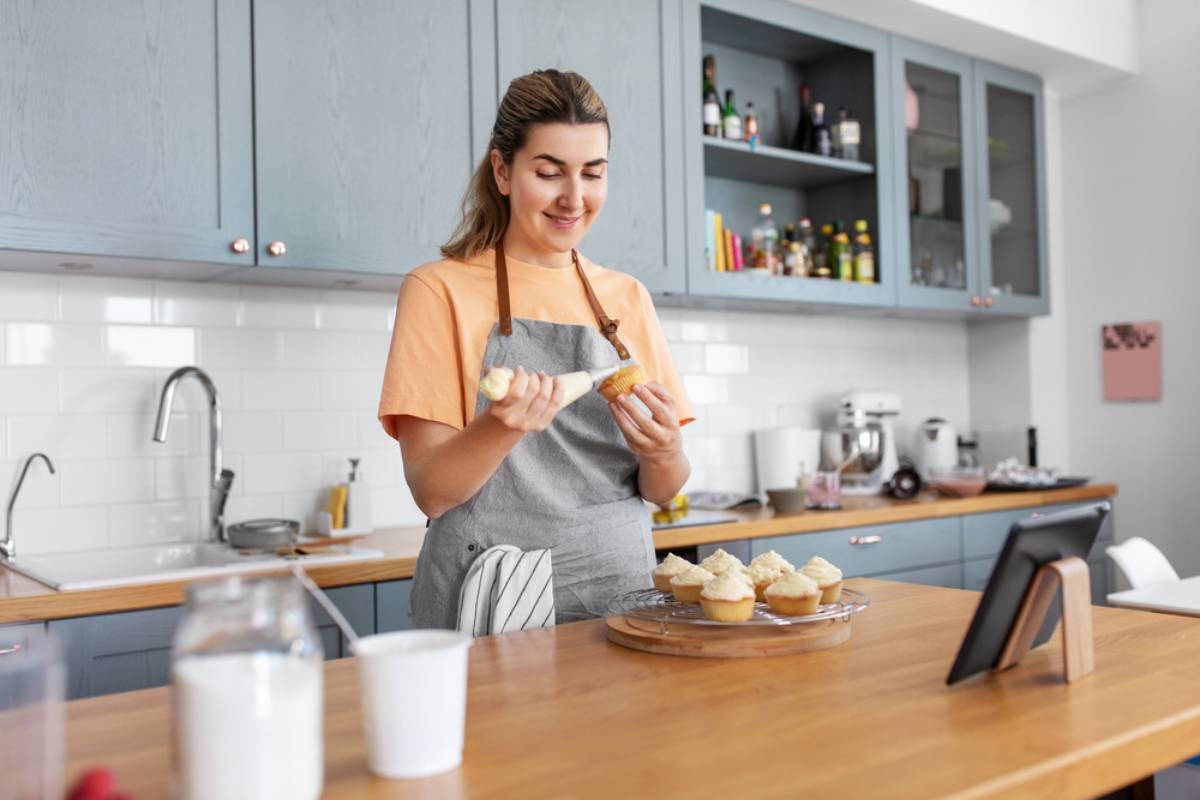
Camille Smith, a 33-year-old mother of four from Dallas, Texas, was among the women featured in the report. Her video showed her adding her own breast milk to Funfetti cupcake mix instead of using cow’s milk or a plant-based alternative. According to the report, she was preparing the treats for her family while some household members were unwell.
Smith captioned the footage with the statement, “Breast milk cures everything.” The remark captured the confidence behind her approach, presenting breast milk as a versatile home remedy rather than merely a source of infant nutrition. However, the report did not provide medical evidence showing that her cupcakes prevented influenza or shortened anyone’s illness.
The Cupcake Video Divides Viewers
Smith’s choice of ingredient attracted sharply different reactions online. Some commenters expressed disgust at the idea of breast milk being incorporated into food, while others praised her creativity and described her approach as clever. The responses helped turn an ordinary baking video into a debate about what people consider acceptable when it comes to homemade food.
The disagreement also highlights a question that goes beyond the recipe itself: whether a health-related intention makes an unusual food choice more appealing to others. Supporters could interpret the practice as a resourceful way to use available milk, while critics could find the ingredient off-putting regardless of its nutritional properties. Neither reaction, however, establishes whether the resulting food offers any meaningful protection against the flu.
The Trend Extends Beyond Cupcakes
The report described several mothers using expressed breast milk in different types of food and drinks. Some were adding it to sweet recipes, while others incorporated it into familiar family meals or blended it into beverages. Their approaches differed in presentation, but they shared an interest in using breast milk beyond its customary role in infant feeding.
These examples also show how a personal health belief can become a social-media trend through short, easily understood demonstrations. A cupcake recipe or a colorful stack of pancakes makes the idea immediately visible to viewers, while a caption explains the intended benefit. The videos document what the mothers are doing and what they say they hope to achieve, but they do not independently establish the medical effectiveness of the practice.
Allie Keily Adds Breast Milk to Mac and Cheese
Another mother mentioned in the report was Allie Keily, who has two children under the age of two. She reportedly incorporates her breast milk into dishes such as stovetop macaroni and cheese for her young children during periods when colds or flu are circulating. Unlike a cupcake recipe, this example brings the practice directly into a familiar savory meal.
Macaroni and cheese is an everyday comfort food in many households, making it a straightforward vehicle for an ingredient that can otherwise feel unusual outside infant feeding. Keily’s reported approach reflects the belief that breast milk might provide an additional health benefit when included in food children already eat. The available reporting does not establish that her children experienced fewer infections or milder symptoms as a result.
A Chocolate Shake Draws Hundreds of Thousands of Views
The report also featured McKenzie, a 28-year-old mother who blended breast milk into a chocolate shake for an ill loved one. Her video reportedly attracted more than 365,000 views, giving the homemade remedy considerable visibility online. The attention illustrated how quickly an unconventional health idea can reach an audience through a brief video.
McKenzie reportedly promoted her approach with language suggesting that her mixture could cure illnesses. However, a video’s view count measures attention rather than a treatment’s success. The report did not document controlled testing, medical evaluations, or evidence that consuming the shake changed the course of an illness.
Tammy Gives Her Pancakes an Ambitious Name
A third example involved a mother named Tammy, who prepared pancakes using breast milk and called them “immunity pancakes.” The name made the intended purpose particularly clear, framing an ordinary breakfast as a potential way to help protect the household from seasonal illness. Her presentation turned the ingredient into the centerpiece of a homemade health strategy.
During the preparation, Tammy joked that “no one can stop me,” according to the report. The comment added a playful, defiant element to the video as she presented her recipe to viewers. Yet the name of a dish and the confidence of its creator cannot establish that it strengthens immunity or prevents infection.
Why Breast Milk Has a Reputation for Supporting Health
There is a scientific reason breast milk is associated with protection against illness. It contains antibodies and other immune-related components that can help infants as their immune systems develop, and breastfeeding is associated with protection against certain infections. The Centers for Disease Control and Prevention’s guidance on influenza and breastfeeding specifically explains that breast milk can help protect infants against flu.
This established benefit helps explain why some parents may see breast milk as useful during the colder months. A mother who has been exposed to an infection can develop immune responses, and antibodies can be passed to her infant through breast milk. However, these benefits occur in the context of breastfeeding or feeding expressed milk to an infant, and they should not automatically be extended to every other possible use of the milk.
Breastfeeding and Eating Baked Food Are Different Situations
The central distinction is how breast milk is consumed and what evidence exists for the particular use. Breastfeeding provides infants with nutrition and biologically active components in a form their bodies are adapted to receive, while cooking introduces heat that can alter the milk’s composition. Eating a cupcake made with breast milk is therefore not medically equivalent to an infant receiving breast milk directly.
The CDC’s guidance on breast milk preparation and storage warns that microwaving expressed milk can destroy nutrients and create hot spots that may burn a baby’s mouth. Its instructions address safe handling and feeding of expressed breast milk, rather than testing recipes intended for an entire household. They nevertheless illustrate why the effects of preparation matter when considering whether the milk retains the properties people hope to obtain from it.
Heat Can Change Breast Milk’s Active Components
Breast milk is not simply a mixture of calories, fats, and proteins. Some of its components have biological functions, including substances involved in immune protection, digestion, and other processes relevant to infant development. These components do not necessarily respond to heating in the same way, making it difficult to assume that breast milk retains all of its original properties after cooking.
The temperature and duration of heating can both matter. A substance that remains relatively stable under mild warming may be reduced or inactivated during more intense processing. For that reason, the fact that breast milk contains beneficial components before cooking does not establish that those components remain fully functional in cupcakes, pancakes, or stovetop dishes.
Research Shows That Heating Can Reduce Certain Milk Proteins
A peer-reviewed study indexed by PubMed examined how different heating temperatures affected several biologically active proteins and enzymes in human milk. The researchers tested temperatures ranging from 40 degrees Celsius to 127 degrees Celsius and measured components including immunoglobulin A, lactoferrin, lysozyme, and certain enzyme activities. Their findings showed that the concentrations or activities of several components declined as heating temperatures increased.
The researchers found that the studied proteins retained more of their measured concentrations or activities at temperatures of 50 degrees Celsius or below than at higher temperatures. Lactoferrin, for example, was particularly sensitive to heating, with considerably less remaining after conventional pasteurization than under milder conditions. These results provide a scientific reason to be cautious about assuming that food preparation leaves all of breast milk’s potentially beneficial components unchanged.
The Research Does Not Prove That Breast Milk Recipes Prevent Flu
Although the heating research helps explain why preparation matters, it does not answer every question raised by the viral videos. The study evaluated biological components in treated milk samples; it did not test whether people eating breast milk in baked goods were less likely to contract influenza. Nor did it establish that such foods could treat people who were already sick.
That distinction is essential when evaluating claims made in social-media posts. Showing that breast milk contains antibodies is not the same as proving that those antibodies remain active after cooking, reach the body in a useful form when consumed in a meal, and provide measurable protection against flu. The available reporting and research do not establish that complete chain of effects for the recipes featured in the story.
Established Flu Prevention Measures Remain Important
For families hoping to avoid influenza, public-health recommendations offer a much stronger evidence base than the recipes circulating online. The CDC’s seasonal flu prevention guidance identifies annual flu vaccination as the first and most important action for reducing the risk of flu and its potentially serious complications. The agency recommends seasonal vaccination for everyone six months and older, barring rare exceptions.
Other recommended measures include washing hands regularly, covering coughs and sneezes, improving indoor air quality, and avoiding close contact with sick people when possible. These steps are particularly relevant for households with young children, older adults, or people who have conditions that increase the risk of severe illness. Babies younger than six months cannot receive a flu vaccine, so vaccination of eligible household members and caregivers is especially important for reducing the risk around them.
A Viral Kitchen Hack Still Needs Medical Evidence
The mothers featured in the report have made an unusual ingredient the focus of a conversation about family health. Their videos show how the belief in breast milk’s protective properties can inspire experiments with familiar recipes, from cupcakes to breakfast pancakes. They also demonstrate how personal practices can attract widespread attention before their medical value has been established.
The key takeaway is not that breast milk lacks benefits, nor that the mothers’ intentions can be determined from a short video. Rather, the evidence supporting breastfeeding does not automatically support consuming breast milk after it has been incorporated into cooked food. Until research directly evaluates that practice and demonstrates a protective effect, these recipes should be understood as personal experiments rather than proven methods of preventing flu.