Teen Says He Refused to Apologize for Beating His Cousin at a Board Game During a Family Party, Now His Aunt Says He “Has No Sense of Family Etiquette”

Before anyone called it a problem, it looked like a normal family gathering in a crowded suburban house in New Jersey. The annual get together had kids scattered across the living room, adults talking in the kitchen, and a board game set up on the floor. Fifteen year old Caleb had been invited mainly because his cousin Ethan insisted they should play something competitive. What started as a friendly match of strategy quickly turned into something that exposed deeper family tensions. By the end of the night, no one was talking about the game anymore, only about what Caleb should or should not have done after winning it.
The Game Everyone Thought Would Be Harmless
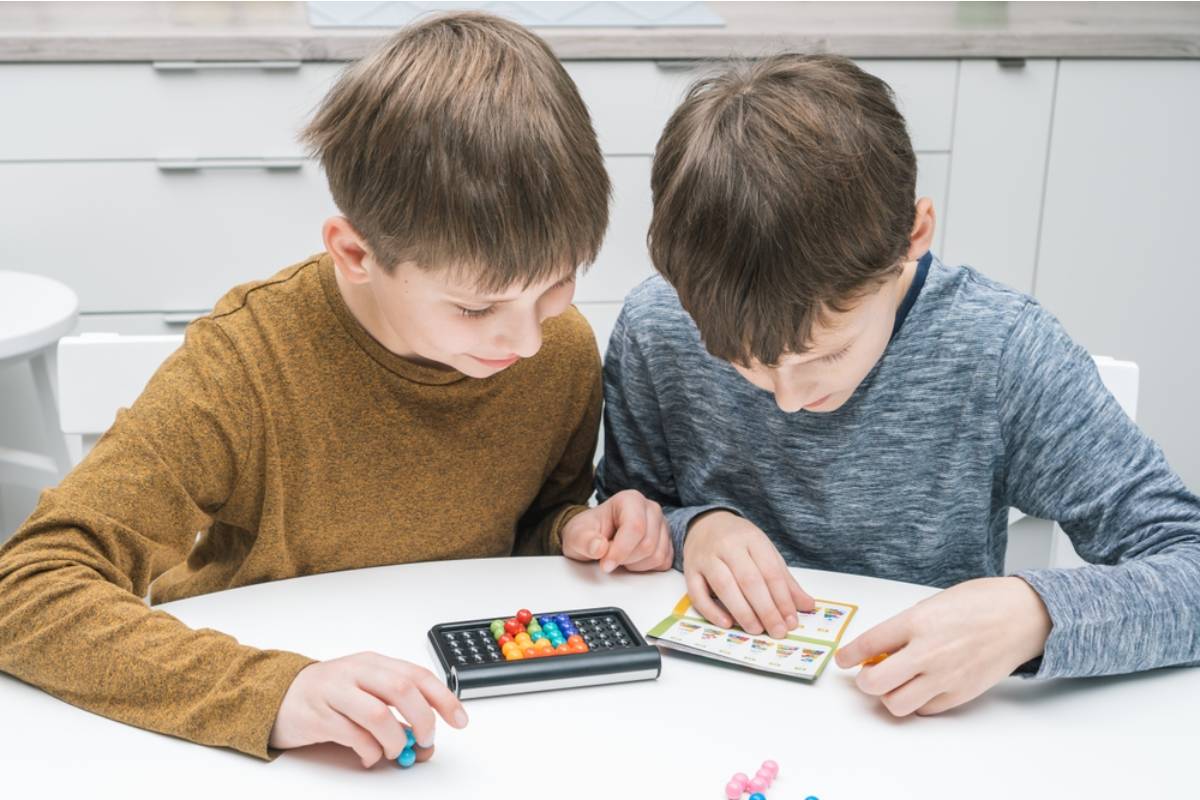
The cousins picked a popular strategy board game that required planning and quick decisions. At first, it was lighthearted with jokes and casual teasing. Caleb and Ethan quickly became the main competitors as the game progressed. The adults occasionally glanced over, amused by how seriously the boys were taking it. No one expected it to turn into anything beyond a normal family distraction.
The Competition Starts Getting Serious
As the game continued, Caleb started pulling ahead. Ethan became visibly frustrated but kept playing. Other cousins gathered around to watch the final rounds unfold. The mood shifted from casual fun to focused competition. Caleb stayed quiet, concentrating on each move, while Ethan grew more vocal about what he thought was unfair.
The Moment of Victory
In the final round, Caleb made a move that secured his win. He immediately leaned back and said nothing for a moment. Ethan reacted loudly, insisting the outcome was not fair and that Caleb had gotten lucky. A few younger kids laughed, while others looked unsure how to react. The game ended without celebration or handshake, just a tense pause at the table.
A Reaction That Split the Room
Ethan stood up and accused Caleb of being overly aggressive during the game. Caleb responded that it was a competitive match and he had followed the rules. The conversation quickly drew attention from nearby adults. Some family members said it was just a game and should not be taken seriously. Others thought Caleb could have shown more sensitivity after winning.
The Apology Demand Appears
Later that evening, Ethan’s mother, Lisa, approached Caleb and asked him to apologize for how he played and how he reacted after winning. Caleb refused, saying he had done nothing wrong. He explained that he played fairly and did not insult anyone during the game. Lisa insisted that winning did not excuse how he made others feel. The disagreement became more direct as both stood their ground.
Caleb Stands His Ground
Caleb told his aunt that he would not apologize for winning a game fairly. He said apologizing would mean he did something wrong when he believed he had not. His tone was calm but firm. Lisa responded that family gatherings required more consideration than just following rules. Caleb said rules were the only thing that mattered in a game. That statement made several relatives uncomfortable.
The Family Table Takes Sides
During dinner, the conversation shifted to what happened earlier. Some relatives supported Caleb, saying competition is normal in games. Others agreed with Lisa, saying family events should not feel hostile. Ethan remained quiet but clearly still upset. The tension at the table grew as more people began offering opinions.
A Word About Etiquette Comes Up
Lisa later told other family members that Caleb lacked basic family etiquette. She said he treated the game like a tournament instead of a family activity. Caleb overheard the comment and felt it was unfair. He believed he was being judged for playing honestly. The phrase began circulating among relatives throughout the evening.
Caleb’s Parents Get Involved
Caleb’s parents spoke with him privately in another room. They asked him to explain his side without interruption. Caleb repeated that he played fairly and did not insult anyone. His parents told him that even if he was right, tone and timing mattered in family settings. Caleb listened but did not change his stance.
Ethan’s Version of Events
Ethan told his mother that Caleb had been too intense during the game and did not let up even when he was ahead. He said it felt like Caleb was trying to embarrass him. Lisa used this as further justification for the apology request. However, other cousins who watched the game said Caleb simply followed strategy. The differing perspectives made the situation more complicated.
A Quiet Tension Spreads Through the Party
After the argument, the mood at the party changed noticeably. Groups that were once chatting freely now spoke in smaller circles. The board game was packed away and not mentioned again. Caleb spent most of the remaining time away from the main group. Ethan avoided him completely for the rest of the evening.
A Final Attempt to Resolve It
Before everyone left, Lisa approached Caleb one more time. She said she was not trying to punish him but wanted him to understand family expectations. Caleb responded that he understood but still did not believe he should apologize. The conversation ended without agreement. Both walked away frustrated but unwilling to continue arguing in front of others.
What Stayed After Everyone Went Home
Days later, the incident was still being discussed in family messages. Some thought it was blown out of proportion, while others believed it revealed deeper issues about respect. Caleb remained firm in his belief that he did nothing wrong during the game. Lisa still felt he should have shown more consideration for Ethan’s feelings. The disagreement did not resolve, but instead became one of those family stories that no one tells the same way twice.