Mother Notices Her Kids Act Completely Different Around Other Adults, Now She’s Wondering “Who Are They Really?”

Many parents notice that their children behave differently in front of others compared to how they act at home. This can feel confusing or even worrying, especially when the difference is strong enough to make parents question what is real and what is situational behavior.
Children Naturally Adjust Their Behavior in Different Settings
It is normal for kids and teenagers to act differently around other adults, teachers, or peers. They often become more polite, reserved, or socially aware outside the home. This is part of learning how to adapt to different environments. Behavior changes based on expectations and comfort levels. It does not mean they are being fake. It reflects social awareness.
Home Is Often Where Emotions Come Out Fully
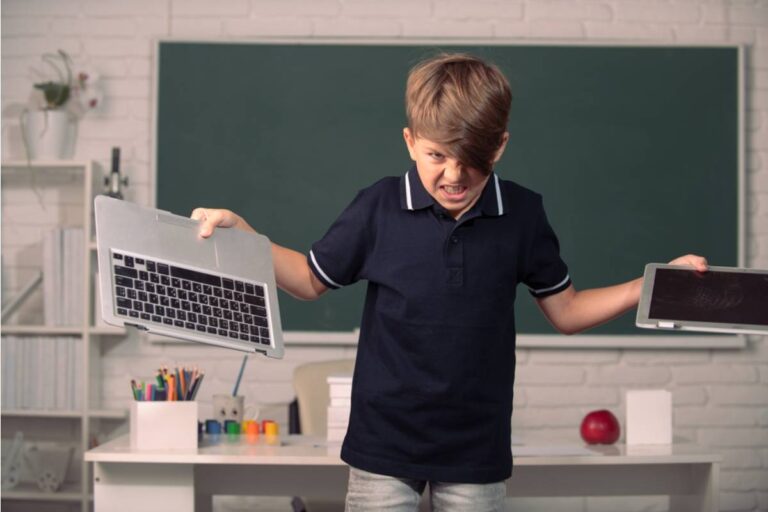
Children usually feel safest at home, which means they may express more intense emotions there. This can include frustration, moodiness, or openness that they hide elsewhere. The home becomes a place where they “release” what they hold in outside. This contrast can feel dramatic for parents. But it often indicates trust, not distance.
Social Behavior Is Often More Controlled
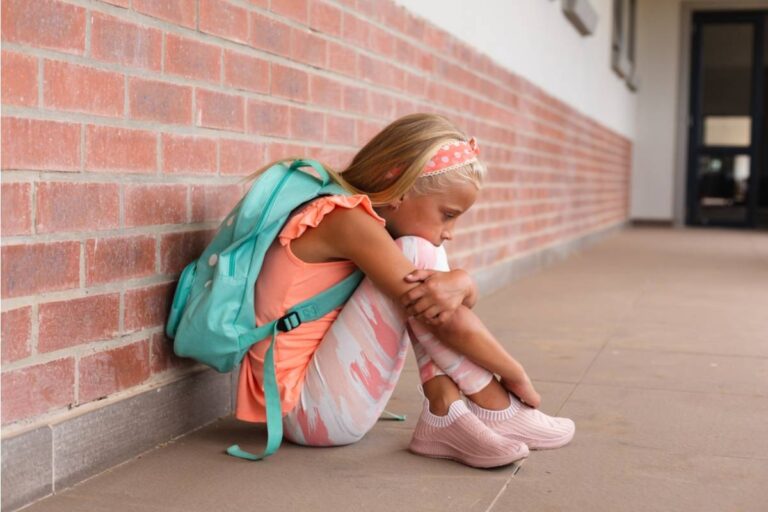
Around other adults or in public, children may try harder to control their actions. They may want approval, avoid embarrassment, or follow social expectations. This can make them appear more mature or different from their home behavior. It is often a learned response to social settings. Children are still figuring out how to manage these roles.
Identity Is Still Developing in Teen Years
During childhood and especially adolescence, identity is not fixed. Kids experiment with different ways of behaving depending on the situation. They are still understanding who they are. This can create noticeable shifts in personality across environments. It is part of normal development rather than a split identity. Consistency develops gradually over time.
The Difference Does Not Mean They Are Two People
It can feel like children are “different versions” of themselves, but this is usually about context, not deception. People naturally show different sides of themselves in different settings. Adults do this too, though more subtly. Children are just less consistent because they are still learning. The core personality remains the same underneath.
Comfort Level Shapes Behavior Strongly
At home, emotional safety allows children to relax fully. In public, awareness of judgment increases self-control. This difference in comfort explains most behavioral changes. The safer the environment, the more unfiltered the behavior tends to be. This is a normal psychological response. It reflects security, not inconsistency.
Parents Often See the “Unfiltered” Version
What parents see at home is often the most honest emotional version of their child. This includes stress, tiredness, or frustration that isn’t shown elsewhere. While it can feel intense, it is also a sign that the child feels secure enough to express themselves. This openness is part of the parent-child bond. It does not reduce who they are outside the home.
Understanding Both Sides Brings Clarity
Instead of asking “who are they really,” it can help to see both behaviors as part of the same person. One reflects social adaptation, the other reflects emotional safety. Both are real in different contexts. Over time, these versions become more balanced as identity matures. Understanding this reduces worry and confusion.
Children don’t usually change who they are depending on the audience, they are learning how to exist in different environments. The differences parents notice are often part of growing up, not signs of something hidden.