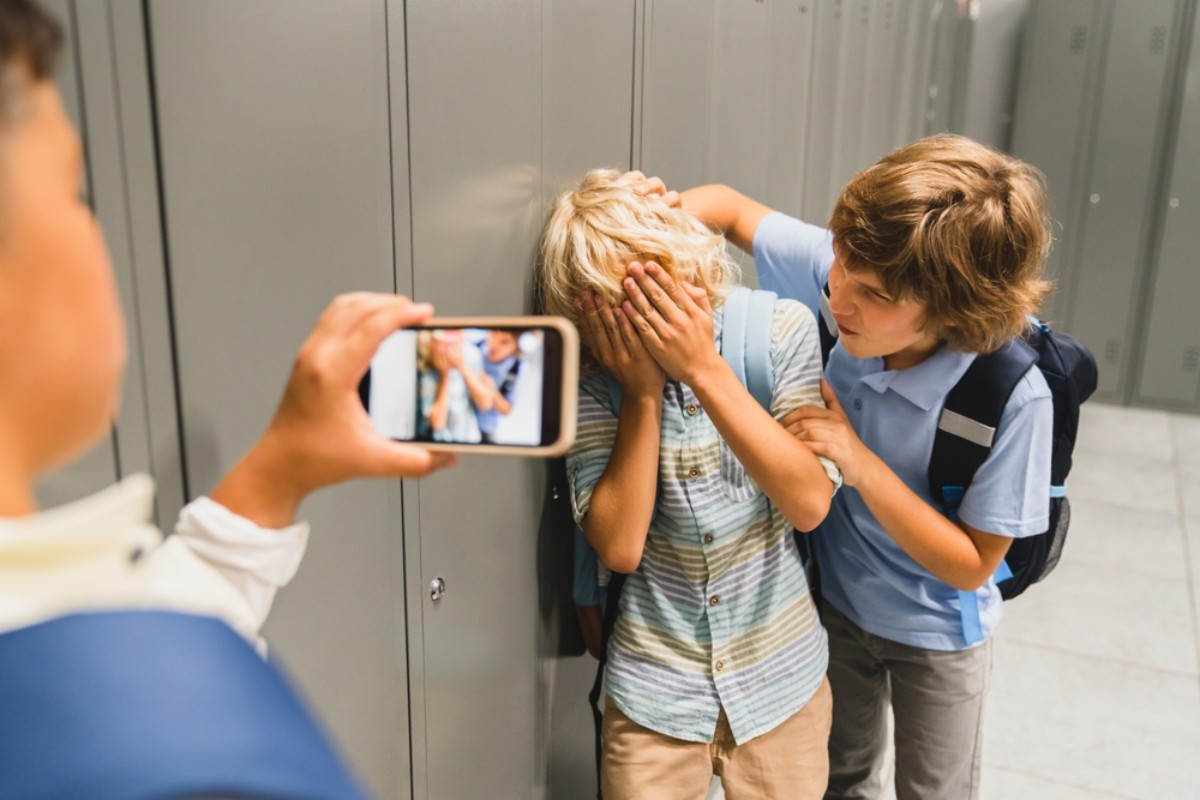
The New Way Kids Bully Each Other at School, and Why Adults Keep Missing It

As parents, it’s natural to want to protect our children from harm, including the emotional pain that can come from bullying. However, the landscape of bullying has evolved, and many adults may not fully understand how it manifests today. With the rise of social media and digital communication, bullying has taken on new forms that can be subtle yet deeply impactful.
Understanding Modern Bullying Dynamics
In the past, bullying often took place face-to-face, where physical intimidation or verbal taunts were easily recognizable. Today, however, bullying can occur online, through text messages, or via social media platforms, making it less visible to parents and teachers. This shift means that many adults may not notice the signs of bullying until it has escalated. Children may engage in behaviors such as exclusion from social groups, spreading rumors, or using social media to undermine a peer’s reputation. These actions can be just as harmful, if not more so, than traditional bullying methods.
One critical aspect of modern bullying is the anonymity that digital platforms provide. Kids may feel emboldened to say things online that they would never say in person. This anonymity can lead to a culture where hurtful comments are normalized, and victims may feel powerless to defend themselves. Additionally, the permanence of online interactions means that hurtful messages can linger, affecting a child’s mental health long after the incident has occurred.
The Role of Bystanders and Social Media
Bystanders play a significant role in the dynamics of bullying today. Many children witness bullying but may not intervene due to fear of becoming targets themselves or feeling unsure about how to help. Social media complicates this further, as it allows bystanders to amplify the bullying behavior by liking, sharing, or commenting on hurtful posts. This can create a cycle where the victim feels increasingly isolated and targeted, while the bully receives validation from their peers.
Parents and educators may struggle to keep up with the rapidly changing landscape of social media. New platforms emerge regularly, and trends can shift overnight, making it challenging to monitor what children are experiencing online. This lack of awareness can lead to adults missing the signs of bullying, as they may not recognize the platforms or understand the language that children are using.
What This Means For Parents
For parents, it’s crucial to foster open lines of communication with children about their experiences at school and online. Encouraging kids to share their feelings and experiences can help parents identify potential bullying situations early on. It’s important to create a safe space where children feel comfortable discussing their concerns without fear of judgment or punishment.
Additionally, educating children about the impact of their words and actions is vital. Teaching empathy and the importance of standing up for others can empower children to be active participants in creating a positive social environment. Parents can also model healthy online behavior, demonstrating how to engage respectfully and thoughtfully in digital spaces.
Being proactive about understanding the tools and platforms that children use can also help parents stay informed. Familiarizing themselves with popular social media sites and their functionalities can provide insight into how bullying may manifest in those spaces. This knowledge can enable parents to have more informed discussions with their children about their online interactions.
Lastly, it’s essential for parents to collaborate with schools to address bullying. Open communication between parents and educators can lead to a more comprehensive approach to tackling bullying. Schools can implement programs that educate students about the effects of bullying and promote a culture of kindness and respect.
By staying engaged and informed, parents can play a pivotal role in helping their children navigate the complexities of modern bullying. The goal is not only to protect children from harm but also to equip them with the tools they need to foster positive relationships and stand up against bullying in all its forms.