Ashtin Smith’s Premature Twins, Knox and Drew, Needed Help Breathing After Birth. Weeks Before Their First Birthday, They Went Back to Meet Their Nurses.

When Ashtin Smith’s twins, Knox and Drew, arrived early last year, both boys needed help breathing. The closest hospital with a higher-level neonatal unit was about 45 minutes away, each way, and Smith had two older children waiting at home.
Instead, the twins were cared for in the Special Care Nursery at Northwestern Medicine Kishwaukee Hospital in DeKalb, Illinois, about five minutes from the family’s home in Sycamore. On Nov. 11, weeks before their Dec. 5 first birthday, the family went back to celebrate with the nurses and doctors who cared for them, Northwestern Medicine said in a Nov. 19 release.
Bubble CPAP for Two
Knox and Drew were born premature and needed respiratory support, including bubble CPAP, according to the hospital.
Breathing trouble is common in babies born early. The National Library of Medicine’s MedlinePlus Medical Encyclopedia describes neonatal respiratory distress syndrome as “a problem often seen in premature babies.” It is mainly caused by a shortage of surfactant, a slippery substance that helps the lungs fill with air and keeps the tiny air sacs from collapsing. The more premature the baby, the higher the risk.
Treatment can include warm, moist oxygen, extra surfactant and help from a breathing machine. MedlinePlus notes that continuous positive airway pressure, or CPAP, “may prevent the need for assisted ventilation” in many babies. CPAP gently pushes air through the nose to keep the airways open.
Five Minutes Instead of 45
For Smith, the short drive mattered because of the children already at home. She said that being a mom to her older kids does not stop when newborns are in the hospital, and that being close to the nursery gave her more time with both her older children and the twins.
She said she “didn’t have to choose who to be there for based on how long the drive is.”
Kishwaukee’s Special Care Nursery is a Level II unit with extended capabilities for premature and medically complex newborns, the hospital said. It can care for some babies born as early as 30 weeks, depending on their condition, and provides respiratory support that babies once might have needed a transfer to receive. Neonatologists are available around the clock.
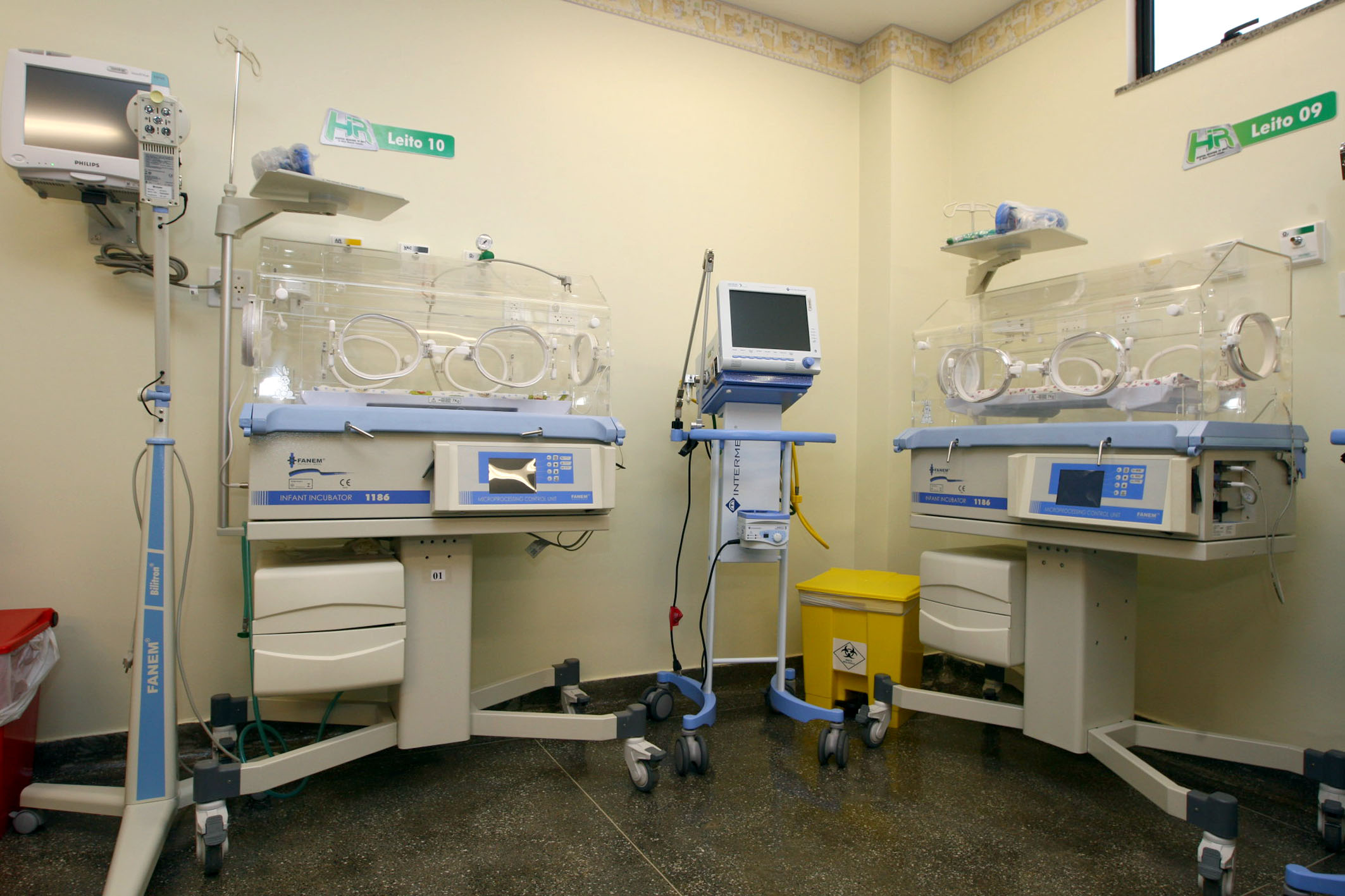
Babies start in enclosed, temperature-controlled incubators and can move to open bassinets as they improve, where parents can hold and feed them more. The team tries to keep twins together when it is medically appropriate.
When a baby needs more intensive care, the hospital coordinates with Northwestern Medicine specialists and can transfer the baby to the NICU at Central DuPage Hospital. Babies can come back to Kishwaukee once they can be safely cared for there.
Dr. Frank Hernandez, a neonatologist at Kishwaukee, said the priority is making sure each baby is in the best place for the care that baby needs at that moment.
Dr. Scottie Paitl, another neonatologist there, said caring for twins means caring for “more than two newborns,” and that having specialized care closer to home “can make that experience a little easier.”
Twins and Early Arrivals
Carrying more than one baby is one of the risk factors for preterm birth listed by the Centers for Disease Control and Prevention, which defines preterm as born “before 37 weeks of pregnancy have been completed.” The CDC says preterm birth affected about 1 of every 10 infants born in the U.S. in 2022.
March of Dimes groups preemies by how early they arrive, from late preterm, between 34 and 36 completed weeks, to extremely preterm, at or before 25 weeks. Babies born early may face problems “because their organs did not have enough time to develop,” according to MedlinePlus, including breathing and feeding difficulties.
Back With the Nursery Team
At the reunion, Smith, her husband and the twins caught up with the nursery staff and celebrated how much the boys have grown since their first days.
Smith said it was “emotional to come back,” and described the nursery team as part of the very start of her family’s story.
Katherine Carnell, a nurse who cared for the twins, said seeing the twins “come back almost a year later” and growing is one of the best parts of the job.
The visit was timed ahead of National Rural Health Day on Nov. 19, as Northwestern Medicine pointed to the twins as an example of specialized newborn care that lets rural families stay close to home.
Get stories like this by email. Sign up for The Parent Diaries Letter.
This article was produced with AI assistance and edited for accuracy against the sources linked above.
Image: Manu Dias / AGECOM, CC BY 2.0, via Wikimedia Commons