Teachers Say Kids Are Struggling With Patience More Than Before

In recent years, educators have observed a noticeable decline in children’s ability to exhibit patience. This trend has been attributed to various factors, including the rapid pace of technology and the instant gratification that it often provides. Teachers report that students are increasingly finding it challenging to wait for things, whether it’s for their turn to speak in class or for a response to a question. This shift raises important questions about how parents can support their children in developing patience and resilience in an ever-accelerating world.
Understanding the Impact of Technology
One of the primary influences on children’s patience appears to be the prevalence of technology in their daily lives. Many children are accustomed to having immediate access to information and entertainment, which can lead to a decreased tolerance for waiting. For example, when a child is used to watching videos on demand or playing games that provide instant rewards, the expectation for quick results can spill over into other areas of life, including social interactions and learning environments. Teachers have noted that this can manifest in behaviors such as interrupting others or becoming easily frustrated when tasks take longer than expected.
Strategies for Fostering Patience at Home
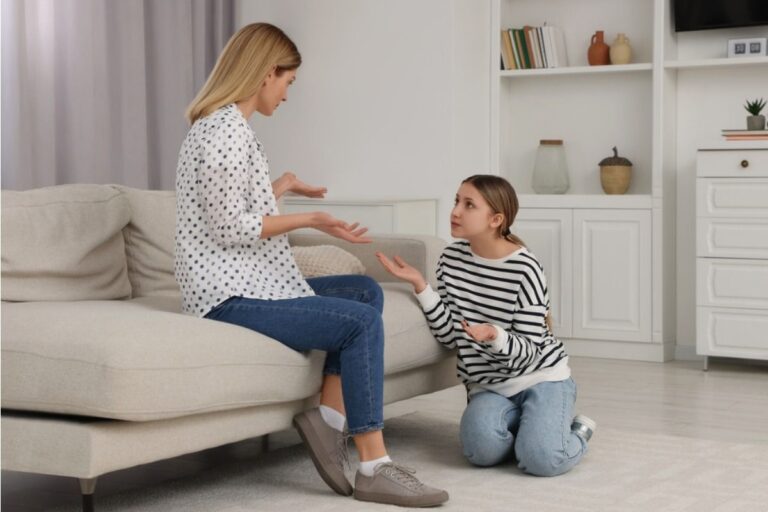
Parents play a crucial role in helping their children develop patience. One effective strategy is to create opportunities for children to practice waiting in low-pressure situations. This could involve simple activities like playing board games that require taking turns or engaging in crafts that take time to complete. Encouraging children to participate in activities that require delayed gratification, such as gardening or baking, can also be beneficial. These experiences not only teach patience but also provide valuable lessons in planning and perseverance.
Another approach is to model patience in everyday situations. When parents demonstrate calmness while waiting in line or dealing with delays, they provide a powerful example for their children. Discussing feelings of impatience openly can also help children understand that it’s a normal emotion, and they can learn to manage it. For instance, parents might say, “I feel a bit impatient waiting for our food, but let’s use this time to talk about our day.” This kind of dialogue helps normalize the experience and encourages children to express their feelings rather than act on them impulsively.
Encouraging Mindfulness Practices
Incorporating mindfulness practices into daily routines can be an effective way to enhance children’s ability to be patient. Mindfulness encourages children to focus on the present moment and develop a greater awareness of their thoughts and feelings. Simple techniques, such as deep breathing exercises or short meditation sessions, can help children learn to pause and reflect before reacting. For example, parents might introduce a “calm-down corner” in their home where children can go when they feel overwhelmed or impatient. This space can be equipped with calming items like soft pillows, books, or sensory toys, providing a safe environment for children to practice self-regulation.
Additionally, engaging in outdoor activities that require patience, such as hiking or fishing, can help children appreciate the value of waiting. These experiences allow for natural discussions about the importance of patience and can foster a deeper connection with nature, which often requires time and observation to fully appreciate.
The Role of Schools and Community
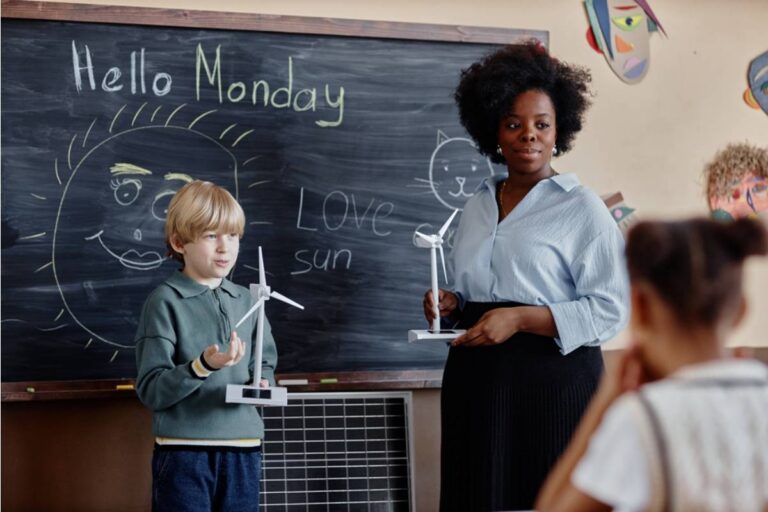
While parents play a vital role, schools and community programs also have a part to play in nurturing patience among children. Educators can implement classroom activities that emphasize teamwork and collaboration, as these often require students to practice waiting and sharing. Group projects or cooperative games can teach children the importance of patience in achieving a common goal.
Furthermore, community organizations can offer workshops or programs focused on social-emotional learning, helping children develop skills like patience, empathy, and resilience. These initiatives can provide a supportive environment where children learn from peers and adults alike, reinforcing the lessons they receive at home.
As parents and educators work together to address the challenges of impatience, it’s essential to remember that developing this skill takes time and practice. By fostering an environment that values patience, children can learn to navigate their emotions and interactions more effectively, ultimately leading to more fulfilling relationships and experiences.