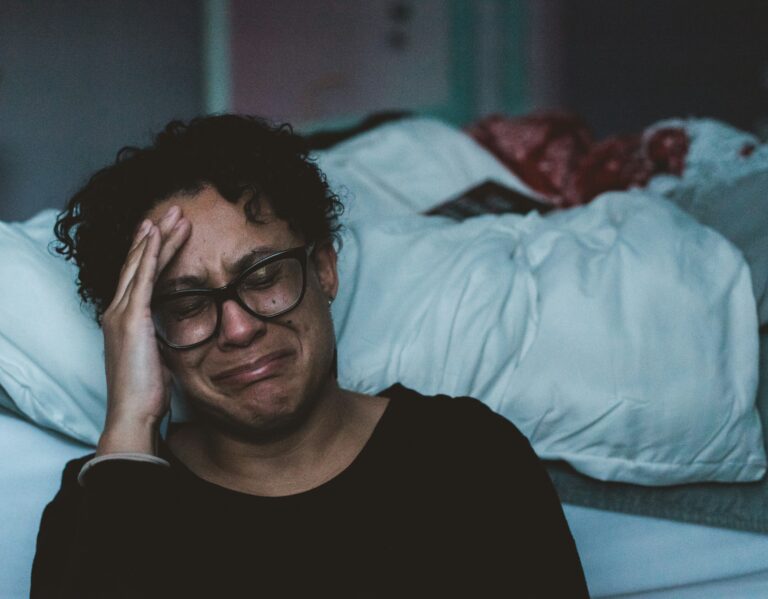
Woman Says Her Parents Ignored Her Constant Headaches as a Child and Now She’s Left Thinking “Their Neglect May Be Why My Migraines Took Over My Life”

When she typed into a Reddit thread that she believes “their neglect may be why my migraines took over my life,” it landed like a blow. The post — a raw, unvarnished account on r/migraine — struck a nerve because it described something many readers have experienced: the slow, heartbreaking realization that the pain you carried as a child was treated as a nuisance, not a signal. For this woman, the dismissal of her frequent headaches by the people who should have protected her set off a cascade that she now says helped turn ordinary headaches into chronic migraines that dominate her adult life.
Childhood headaches that were never taken seriously
Her memory is one of repeated complaints and repeated dismissal. She remembers telling her parents about persistent headaches and being told she was “overreacting,” that she was seeking attention, or simply being told to tough it out. Appointments were few and far between. Tests weren’t pursued. Instead of curiosity or care, there was impatience. The result was a child who learned to minimize her own pain and to stop asking for help.
How small ignored pains can become something bigger
What started as periodic headaches turned into something harder to manage as she grew older. Without early answers or effective management, triggers went unidentified, and patterns went unchecked. Over time, what might have been manageable episodic headaches evolved into a recurring, relentless condition. The woman writes that by the time she was an adult, migraines had taken over major parts of her life — work, social plans, even basic routines. She now looks back and wonders whether earlier intervention could have altered that path.
The emotional fallout of feeling unheard
Beyond the physical pain, the emotional damage lingers. Being told the pain is not real or important trains a child to doubt their own sensations and instincts. For this Redditor, the long-term consequences included resentment toward her parents and a persistent internal narrative that her suffering was somehow illegitimate. That internalized dismissal can make it harder to seek help later, to advocate for oneself in medical settings, and to accept that you deserve care. The emotional narrative — that she was making things up — is as debilitating as any migraine attack.
Trying to reclaim control as an adult
In adulthood, she has had to rebuild a relationship with her own body. That has meant searching for specialists, learning triggers, exploring treatments and lifestyle changes, and finding ways to function on days when a migraine arrives. She describes the process as expensive and exhausting, and acknowledges that there have been small victories alongside setbacks. Importantly, she emphasizes that feeling betrayed by her caregivers made the medical journey more fraught; mistrust, shame, and the sense of having been abandoned made it harder to ask for support.
Why early recognition and validation matter
The heart of her message is not a call for blame for its own sake, but for attention to the simple act of listening. Headaches in children and adolescents are often shrugged off, yet consistent symptoms can signal an underlying problem that deserves assessment. Validation — taking a child seriously, seeking a medical opinion, tracking symptom patterns — is not dramatic. It is practical care that can open a path to earlier management, fewer years of avoidable suffering, and a healthier sense of self.
What Parents Can Take From This
If there’s a single takeaway from this woman’s painful testimony, it’s that hearing a child when they say they hurt is the first step toward preventing a lifetime of complications. If your child complains about headaches, take notes: when do they happen, what seems to trigger them, how long they last, and what other symptoms accompany them. Don’t assume attention-seeking. Ask your pediatrician for an evaluation and, if needed, a referral to a specialist. If a professional says the headaches are benign, ask about monitoring and triggers so you and your child don’t dismiss recurring symptoms yourselves.
For adults who grew up feeling unheard, the path forward includes both practical and emotional work. Seek appropriate medical care, but also consider counseling or support groups that can help dismantle the shame and self-doubt rooted in childhood dismissal. Learn to advocate for yourself in appointments, bring a trusted person when you need support, and keep a symptom diary to make invisible patterns visible. Recovery from the consequences of neglect isn’t about erasing the past; it’s about building a future where your pain is acknowledged, understood, and treated with the seriousness it deserves.
More from Parent Diaries:
- Woman Says Her Mother’s Rejection Destroyed Her Self-Worth, Now She Wonders “How Dare I Ask to Be Loved If My Own Mom Couldn’t?”
- Student Tells Her Mom She’s No Longer Welcome at Graduation After She Chose a Florida Trip and Admits “I’d Rather Give My Ticket to Someone Who Actually Shows Up for Me”
- 23-Year-Old Says Her Mom Sent Photos of Her “Depression Room” to the Entire Family and Now She Feels “I’ll Never Trust Her Again”