

Teachers Say Parents Are Getting Too Soft

If you’ve spent any time talking with teachers, you’ve probably heard someone mention that parents are “too soft” these days. It’s a topic that gets people fired up, especially when it comes to how kids handle discipline and push through challenges.
Parenting styles have shifted a lot over the years. These changes are showing up in classrooms, sports teams, and even at home.
Parents shield kids from disappointment, making feedback tough to handle

It’s normal to want to keep your child happy and safe from hurt feelings. Still, when you protect kids from every disappointment, they may have a hard time handling feedback.
Many kids today struggle with even gentle criticism. They just aren’t used to hearing that things didn’t go their way.
If you’re always stepping in to fix problems or offering constant praise, your child misses out on learning how to cope. Facing small setbacks is how kids build important life skills.
Letting your child feel uncomfortable sometimes helps them manage frustration or sadness. Showing compassion during tough moments teaches them that all feelings are okay and builds emotional strength.
This prepares kids for real-life challenges and helps them handle feedback with more confidence.
Gentle parenting encourages empathy but sometimes lacks clear boundaries

Gentle parenting is appealing because it’s all about empathy and respect. You get to connect with your child and build trust.
But sometimes, it’s hard to set firm limits with this approach. Focusing on kindness can make rules feel too flexible or unclear.
Without clear boundaries, kids might not pick up self-control or responsibility. You don’t have to be harsh to set rules—guiding patiently helps your child understand consequences.
Mixing compassion with structure gives your child tools to succeed at home and at school. Getting the balance right can make a huge difference in your child’s growth.
Helicopter parenting leads to kids who avoid challenges or quit easily
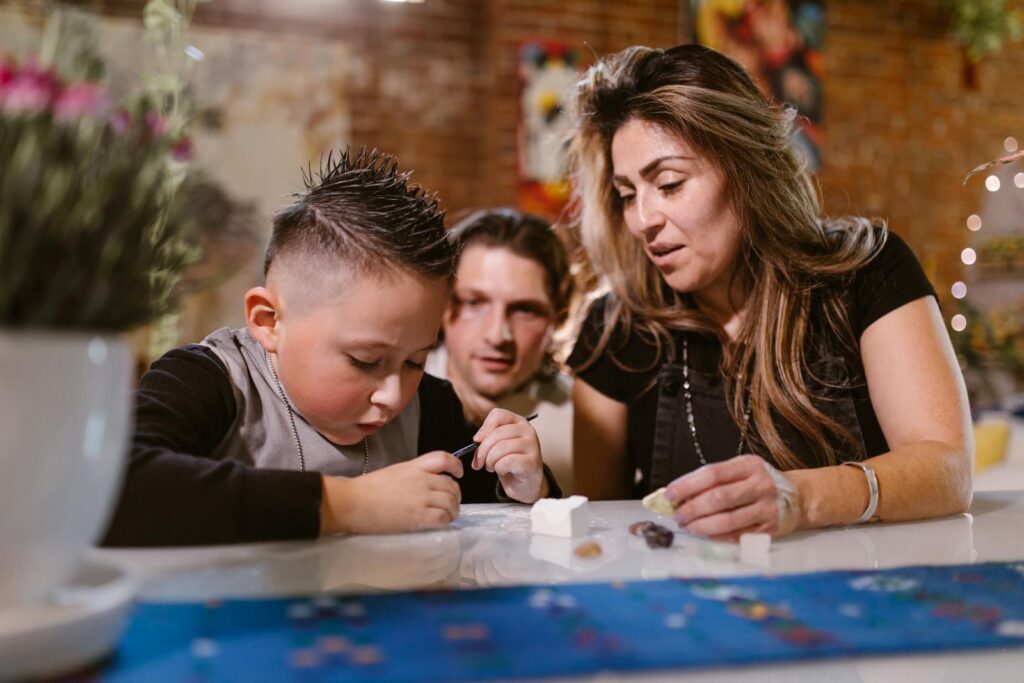
When you jump in to help your child with every problem, they might not learn how to handle things on their own. It’s easy to think you’re being helpful, but too much involvement can backfire.
Kids who always get help may start to expect it. They become less likely to stick with something challenging.
You might find yourself talking to teachers about every small issue or rescuing your child from a bad grade. It feels supportive, but it also teaches your child to avoid tough situations.
Letting your child try, even if they fail, helps them grow stronger. Kids build lifelong skills when they face challenges themselves.
Stepping back and cheering them on can be more powerful than stepping in.
Parents often jump to defend kids against teachers, undermining authority

Some parents rush to defend their kids the moment a school issue pops up. Instead of listening to the teacher, they question the rules or challenge decisions.
This makes it tough for teachers to do their jobs. When parents step in too quickly, it tells kids they don’t have to follow the rules.
Teachers need respect from both students and parents to keep the classroom running well. If parents skip talking with teachers and go straight to the principal, trust can break down.
Working together with teachers helps your child learn discipline and cooperation. Supporting classroom rules creates a better environment for everyone.
Many kids lack resilience because they rarely face consequences at home

It’s not unusual to see kids struggle with challenges. One reason is that they don’t face the natural results of their actions at home.
When parents protect kids from every failure, the chance to learn important life lessons disappears. Kids who never experience consequences miss out on growing stronger and more confident.
If a child forgets homework and doesn’t face any fallout, they don’t learn time management or responsibility. Later, these skills are harder to build.
Allowing kids to face small consequences helps them bounce back from setbacks. They learn to adapt, keep trying, and believe in themselves.
Letting kids face tough moments is part of helping them become resilient adults.
Soft parenting can hinder teaching responsibility and respect

Being gentle feels supportive, but it can make teaching responsibility harder. Without clear rules, kids might not learn to follow limits.
If you’re too soft, your child may expect to get their way every time. They might not see why rules matter or why listening to others is important.
Teachers often notice this when kids struggle with classroom boundaries. Gentle parenting doesn’t mean skipping boundaries; it’s about kindness with firm limits.
Setting expectations helps your child handle rules and respect authority. This balance builds confidence and responsibility.
Supporting your child while teaching them to respect limits helps them grow into more capable individuals.
Teachers report students struggle with constructive criticism more today

A lot of students today find it tough to handle criticism. Teachers notice that many kids struggle to hear feedback about where they can improve.
Criticism can feel personal, but it’s meant to help you grow. Some students haven’t practiced using feedback to get better, so they might shut down or feel discouraged.
When teachers give feedback, they want it to help you succeed. If feedback feels too negative, it can be hard to take in.
Getting better at handling criticism takes practice. The more kids learn to apply feedback, the easier it gets and the more confident they become.
Parents collaborating with schools can strengthen discipline and growth

When parents and schools work together, kids benefit. Open communication between home and teachers keeps everyone on the same page.
Regular talks help create clear rules and expectations. Consistent discipline at home and school makes kids feel more secure and ready to learn.
Supporting classroom rules at home encourages good behavior. When parents and teachers collaborate, they can solve problems early and celebrate progress together.
This teamwork builds a stronger community and helps kids grow socially and academically.
Some experts say being too soft hampers kids’ emotional toughness
You might hear that being too soft can make it harder for kids to handle challenges. Experts say that when parents shield children from tough situations, they don’t get to build emotional strength.
Kids who rarely face difficulties may struggle when life gets hard. Protecting them from every upset keeps them from learning how to bounce back.
Letting your child experience small failures can actually help them grow more confident. Overprotective parenting might hurt self-esteem and independence.
A bit of toughness, along with kindness, helps kids get ready for life’s ups and downs. Striking that balance can make a big difference.
Kids today often expect constant praise, which shocks their coaches
Many kids now expect praise all the time, and coaches notice it. They’re surprised when kids want only positive feedback, even after mistakes.
If kids get too much praise at home, they start to rely on it. Without compliments, they might stop trying or get frustrated quickly.
Coaches see kids quit after just one or two mistakes because they’re not used to failure. Praising effort, not just results, helps kids keep going.
Focusing on hard work encourages kids to push through tough moments. This kind of praise builds lasting confidence and resilience.
The Shift in Parental Approaches
More parents are choosing softer ways of raising kids. These approaches focus on empathy and understanding, but they also bring new challenges.
Modern Parenting Styles
A lot of parents now prefer gentle or soft parenting. These styles skip harsh punishments and focus on emotional connection.
Instead of strict rules, parents listen and guide with kindness. It sounds ideal, but finding the right balance can be tough.
Some parents feel pressure to get it right and worry that too much freedom may leave kids unprepared for challenges. Still, the goal is to help kids understand feelings and grow with respect.
Impact on Classroom Dynamics
Teachers see changes in how kids behave at school. Softer parenting means some students have less patience for rules and authority.
Kids may ask “why?” more often and expect explanations for everything. Some struggle with frustration or teamwork in class, which can slow down learning.
On the flip side, many kids have better emotional awareness. They can talk about their feelings and solve problems if given guidance.
| Classroom Effect | Why It Happens |
|---|---|
| More questions and debates | Kids used to reasoning at home |
| Struggles with limits | Gentle parenting sets fewer strict rules |
| Higher emotional awareness | Parents teach feelings openly |
Softer parenting is changing school life in noticeable ways, affecting both kids and teachers.
Teacher and Parent Perspectives
Teachers and parents often see the same challenges from different perspectives. How parents get involved, handle discipline, and communicate with schools can shape a child’s success in big ways.
Common Teacher Concerns
Ever wonder why some kids shut down the moment they get tough feedback? Teachers notice this all the time, and it can be frustrating for everyone involved.
Some parents shy away from setting limits or saying no, and this can make it harder for their kids to handle challenges. You might see your child resisting feedback or giving up quickly when things get difficult.
Teachers share that about 79% of parents don’t help their children take responsibility for misbehavior at school. Many parents also don’t follow up on homework or make sure their kids are in class consistently.
When kids don’t have to face consequences at home, teachers often see that attitude carry over into the classroom. Kids who are rarely told no may struggle to bounce back from setbacks.
Coaches and teachers also notice that these kids have a tough time handling disappointment in sports or group activities. If a child is benched or corrected, they might not know how to cope if they have not practiced dealing with disappointment before.
Communication Gaps Between Home and School
Ever feel like you and your child’s teachers are speaking different languages? Many parents and teachers struggle to keep each other in the loop.
Sometimes what happens at home stays at home, and what happens at school stays at school. This can make it tough for everyone to stay on the same page.
When parents and teachers do not share the same goals or strategies, kids can end up confused. The switch to remote learning during the pandemic made it even harder to stay connected.
A lot of parents worry about being judged for their choices. That kind of pressure can make you think twice before reaching out or being honest about what is really going on.
When communication is not open, both parents and teachers miss out on important details about a child’s social life and emotional well-being.


Honest assessment after reading this twice is that it holds up under careful attention, and a look at nabyteknachalupu extended that durability across more pages, content that survives a second read without revealing weak spots is rarer than the average reader probably realises and this site clearly cleared that bar.
If you ask me, I have been studying this cool thread recently, and I needed to share some of my views. For starters, I have seen that a lot of punters often forget the importance of strict bankroll management, which completely defines your long-term success. Furthermore, games these days seem way more volatile, which means you really ought to be smart. That aside, I found this excellent site [url=https://facebook.com/groups/2322862331454867]rolldorado casino online[/url], which shares some solid data on ways to maximize the fun. Another thing is, I honestly believe that running after money lost is a surefire way to lose your balance, so please learn when to walk away. Do you agree with my perspective, or do you prefer another mindset? Share your stories below!
ich dachte mir, ich teile mal eben ein paar Eindrucke, die ich in letzter Zeit gesammelt habe, diskutieren. Mir fallt immer wieder auf, wie faszinierend, dass sich die ganze Szene mittlerweile entwickelt. Fruher ging es nur um den schnellen Gewinn, liefern viele Anbieter derma?en vielfaltige Spielmechaniken, dass es sich beinahe wie ein modernes Game anfuhlt. Ich selbst haben letztens mal wieder verschiedene Strategien getestet, und dabei ist uns aufgefallen, dass das eigene Geld mit etwas Geduld wesentlich smarter halt, wenn man vorab die Quoten prazise vergleicht. Wer sich da tiefer einsteigen will, kann sich gerne auf [url=https://facebook.com/groups/1683094709594582]casino neo spin[/url] einen Blick werfen, da gibt es wirklich hilfreiche Tipps zu diesem Thema. Trotzdem bleibt bei mir die Frage offen, ob das Ganze langfristig noch Spa? macht oder ob der normale Spieler schlichtweg den Uberblick verliert. Welche Erfahrungen habt ihr da aktuell gemacht? Setzt ihr euch strikte Budgets bzw. aus dem Bauch heraus wahrend ihr auf den Jackpot? Ich freue mich auf hier daruber diskutieren!
Reading carefully this time rather than scanning, and the depth shows up in places I missed first time around, and a look at covenantpartners rewarded the same careful approach, content that holds up to multiple reads is content I want more of in my regular rotation rather than disposable scroll fodder daily.
???? ??? ??????, ?????????? ?????? ?? ?? ?????? ????????? ??? ??? ??????????? ??? ?????? ?????? ??? ????? ???? ?????. ??? ??????????, ?? ?????????? ??? blackjack ???????? ???????? ?????? ?????, ??? ???????? ???????? ??? ????????? ?????? ?????? ?????????. ??????, ??? ????????? ???????? ??? ???????? ????? ??? ?? ??????? ?????? ???????? ????? ??? ?? ?? ????????????. ?????????, ??? ?? ??? ???? ??????????? ? ???????????? ??? ?? ???????? ????????, ???????????? ????? [url=https://youtube.com/channel/UCuF_7O1nfW-1P7yw5rpMohQ]roulettino bonus[/url], ???? ??????? ????????? ????? ??? ???????? ????????. ???? ????? ? ????? ??? ??? ??? ??????? ?????????; ????? ??????? ?????? ???? ??????? ??? ?? ????? ????? payouts; ????? ??? ??????? ???, ????? ?? ???? ????? ??????. ????? ??? ?????!
Worth every minute of the time spent reading, and a stop at mutualaxis extends that value across more pages, in a media environment where most content is engineered to waste attention this site stands out by treating reader time as something valuable rather than something to be exploited and stretched as far as possible.