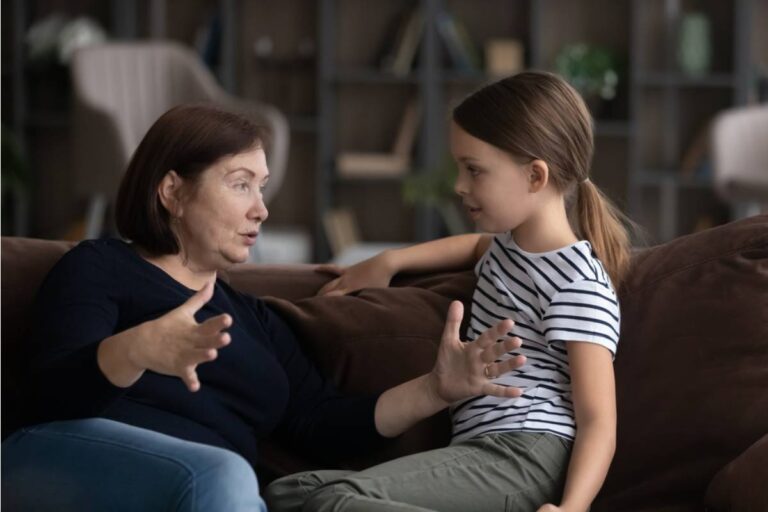
Teen Says Her Parents Shared an Embarrassing Childhood Story at a Family Event, Now She Says “They Knew Exactly What They Were Doing”

When 16-year-old Madison Carter from Illinois walked into a large family gathering in suburban Chicago, she expected the usual mix of food, laughter, and awkward small talk with distant relatives. What she didn’t expect was for a childhood story she had spent years trying to forget to become the centerpiece of the evening. Her parents told it casually at first, almost like a harmless memory. But Madison’s reaction made it clear it wasn’t harmless to her. By the end of the night, what started as nostalgia turned into an argument that split the room.
The Story That Comes Out Over Dinner
The gathering began like any other family barbecue at her uncle’s house. Plates were passed around, cousins caught up, and adults swapped updates about work and travel. During a lull in conversation, Madison’s father laughed and mentioned “that one summer incident” from when she was younger. Before she could react, he began telling the story in detail. The room went quiet in the way rooms do when people realize something personal is being shared.
A Memory Madison Never Expected to Hear Again
The story involved a moment from elementary school that Madison had always found humiliating. She remembered it clearly, but had assumed it was long forgotten by everyone else. Hearing it retold out loud, with embellishments from her parents, made her freeze at the table. A few relatives chuckled politely, not realizing her expression had changed. Madison’s fork stayed mid-air as she tried to process what was happening.
Laughter That Doesn’t Land the Same Way
As the story continued, a few family members laughed along, assuming it was lighthearted nostalgia. Madison, however, felt her face grow hot. She quietly put her food down and looked toward her parents, hoping they would stop. Instead, her mother added another detail, making the story even more vivid. What felt funny to them felt exposing to her.
Madison Tries to Interrupt
She finally spoke up, asking them to stop telling it. Her voice was calm but tense, enough to make nearby conversations pause. Her father brushed it off, saying, “It’s just a funny memory.” Madison replied that it wasn’t funny to her. The table grew quieter as the tension shifted from storytelling to confrontation. Some relatives looked uncomfortable but didn’t intervene.
The Moment It Becomes Personal
Madison’s mother insisted she was overreacting and that everyone had embarrassing childhood stories. Madison said the difference was consent—she hadn’t agreed to have hers shared. Her father responded that it was a family event and families “tell stories like this.” The conversation escalated quickly, and the laughter from earlier was completely gone. The room now felt divided between sides that didn’t want to take one.
A Cousin Steps In
One of Madison’s older cousins quietly tried to defuse the situation. She suggested maybe it would be better to move on to another topic. But Madison shook her head, saying the issue wasn’t just the story—it was being ignored. Her parents insisted they didn’t mean harm and thought she would laugh along. Madison responded that they never asked how she felt about it in the first place.
The Story Continues Despite the Tension
To Madison’s shock, her father actually finished the story despite her objections, saying, “That’s how it happened.” A few relatives awkwardly laughed again, unsure how to respond. Madison stood up from the table and stepped away, needing space. Her chair scraped loudly against the floor, drawing attention from everyone. The conversation at the table stopped entirely.
A Heated Conversation in the Kitchen
Her mother followed her into the kitchen, telling her she was making a scene. Madison replied that she had already said she didn’t want the story shared. Her mother said she needed to “lighten up” and not take everything so personally. Madison responded that it wasn’t about being sensitive—it was about respect. The argument grew sharper as voices echoed through the house.
Relatives Begin Taking Sides
Back at the table, the mood shifted again as family members began discussing what had happened. Some said Madison was right to feel upset. Others believed she had overreacted to something harmless. The original storytelling moment was forgotten, replaced by debate. The gathering that was supposed to be celebratory had turned uncomfortable for everyone.
Madison’s Final Words Before Leaving
Madison eventually returned to the room, visibly frustrated. She told her parents they had known the story embarrassed her and chose to tell it anyway. Her father insisted they thought she had “gotten over it.” Madison replied that not asking proved otherwise. She then said she wanted to go home. No one tried to stop her.
The Drive Home in Silence
The ride back was quiet, with no music or conversation. Her parents occasionally tried to speak, but Madison gave short answers or none at all. The tension from the evening lingered in the car like an unresolved argument. Her mother eventually said she didn’t realize it would hurt her that much. Madison didn’t respond immediately.
The Next Day Conversation
The following day, her parents tried to revisit the situation. They said they were sorry if she felt embarrassed but still believed it was a harmless story. Madison repeated that intent didn’t cancel impact. She told them it wasn’t about one joke but about boundaries. The conversation ended without agreement.
A Shift in Family Dynamics
In the weeks that followed, Madison became more cautious about what she shared with extended family. Her parents avoided bringing up childhood stories around her. The dynamic at family gatherings subtly changed. Conversations felt more measured, less spontaneous. The incident left an unspoken awareness in the room whenever they met.
What Madison Took From It
Madison didn’t stop attending family events, but she stopped assuming privacy was automatic within them. She learned to set clearer boundaries when she needed to. Her parents slowly began to understand that some memories belonged only to her, even if they shared them. And while the situation didn’t erase the discomfort completely, it changed how the family approached stories, and silence, going forward.