
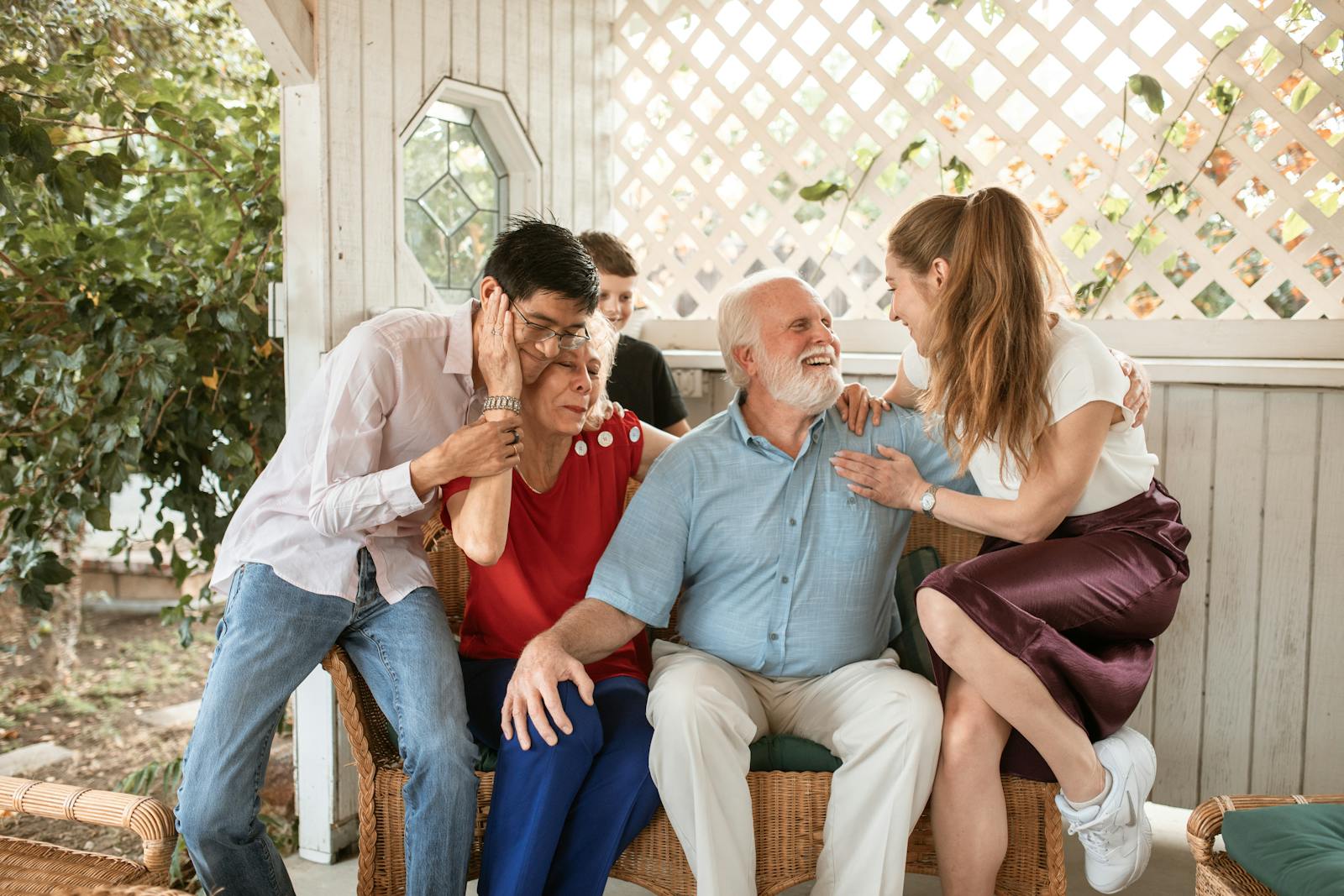
The Parenting Advice Grandparents Still Give That No Longer Fits Today

Every parent has probably heard advice from grandparents that just doesn’t quite fit the way things work now. Sometimes it feels like you’re living in a different world from the one your parents or in-laws remember.
Their advice often comes from a place of love and experience, but times have changed. What worked back then might not always make sense for your family today.
‘Spare the rod, spoil the child’—outdated harsh discipline advice
Maybe you’ve been told that kids need strict discipline to turn out right. The old saying about sparing the rod is one you might hear at family gatherings.
Modern parenting has moved away from harsh physical discipline because we know it can hurt a child’s emotional health. Instead of learning respect, kids might just end up scared or resentful.
Today, discipline is about teaching, not punishing. Setting clear rules and guiding your child with patience helps them learn right from wrong in a way that builds trust.
You can set boundaries without being harsh. This helps your child feel safe and loved, which leads to better behavior.
If grandparents suggest old-school discipline, it’s okay to use gentler methods. Leading with love creates a stronger bond and a happier family.
Insisting on old-fashioned diets ignoring current nutritional science
Grandparents might encourage you to follow diet rules from decades ago. Maybe they warn you that eating fat is always bad or insist on only homemade meals.
Nutrition science has changed a lot since then. Not all fats are unhealthy, and balance is more important than strict food rules.
You might feel pressure to avoid certain foods or stick to old diet trends. But today’s approach is more flexible and focused on variety.
Trusting up-to-date nutrition advice helps you make better choices for your family. It’s good to know that what’s healthy now might be different from what your grandparents learned.
Believing kids must play outside unsupervised to build character
You may hear stories about how kids used to roam the neighborhood all day without supervision. Grandparents might say that’s how children learn independence.
It’s true that unsupervised play helped build confidence in the past. But times have changed, and safety concerns are different now.
Letting kids play alone outside doesn’t always feel safe for today’s families. That doesn’t mean your child can’t grow strong and independent.
Encourage creative play and let your child make choices, even if it’s indoors or supervised. There are plenty of ways for kids to build character in a modern world.
Advising screen time bans without balance or context
Banning screens completely is a common suggestion from older generations. It sounds simple, but screens are part of how kids learn and connect now.
Instead of strict bans, focus on how your child uses screens. Is it for learning, socializing, or just fun?
Work together to set screen rules as a family. When kids help make the rules, they’re more likely to follow them.
Screens don’t have to mean constant arguments. With clear limits and good habits, technology can fit into family life in a healthy way.
Expecting kids to sleep alone from infancy
Some grandparents believe babies should sleep alone in their own room right away. This was the norm years ago.
Experts now recommend that babies sleep in the same room as parents for the first few months. This keeps babies safer and makes nighttime care easier.
Being close helps your baby feel secure and supports bonding. It’s a shift from old advice but is based on new research.
If grandparents question your choices, sharing updated recommendations can help everyone feel more comfortable.
Promoting traditional gender roles in parenting
You might hear advice about how boys and girls should act. Grandparents may encourage kids to fit into old-fashioned gender roles.
Today, many parents want their children to try new things, no matter their gender. Limiting kids to certain roles can make them feel stuck.
Focus on helping your child explore different interests and skills. Kindness and responsibility matter more than fitting into a specific box.
Supporting your child beyond traditional roles lets them grow into their true selves. It’s rewarding to see them thrive without old expectations.
Suggesting children should toughen up and not express emotions
Maybe you’ve been told kids should hide their feelings and act tough. This was once seen as a sign of strength.
We now know that ignoring emotions can actually hurt kids in the long run. Bottling up feelings can make children feel alone or misunderstood.
Encourage your child to talk about what they feel. This helps them build real resilience and learn how to handle tough times.
Letting your child express emotions is a step toward true mental strength. They’ll feel safer and more confident facing challenges.
Recommending vaccinations are unnecessary or harmful
Some grandparents may worry that vaccines are risky or not needed. These concerns often come from old stories or outdated information.
Vaccines are safe and protect children from serious diseases. They’re tested carefully before being given to kids.
Following the recommended vaccine schedule keeps your family and community safe. It’s reassuring to know you’re helping protect everyone, including grandparents.
Encouraging constant correction rather than positive reinforcement
You might hear that you should correct your child every time they make a mistake. Constant correction can make kids feel nervous or unsure.
Praising good behavior helps children feel confident and want to do better. Positive reinforcement teaches them what you expect in a supportive way.
Recognizing effort doesn’t mean ignoring problems. It means showing your child how to improve while feeling valued.
Shifting to encouragement creates a happier home and helps your child grow in a positive environment.
Thinking modern parenting techniques like attachment parenting are excessive
Grandparents sometimes think holding your baby too much or practicing attachment parenting will spoil them. They might not understand why you want to be so responsive.
Attachment parenting is about meeting your child’s needs and building a strong bond. This helps your child feel secure and supported.
These methods may seem new to older generations, but research shows they can help kids grow up confident and happy.
Parenting styles change with the times. What’s important is finding what works best for your family now.
How Family Dynamics Have Evolved
Families today come in all shapes and sizes. The way we live and work has changed a lot since our grandparents were raising kids.
The Rise of Dual-Income Households
Many families now have both parents working outside the home. This means juggling jobs, childcare, and family time.
Older advice about staying home full-time might not fit your reality. Grandparents often help in new ways, like picking up kids or helping with meals.
Balancing work and family brings new challenges, but it also means everyone pitches in. Support from grandparents can still be valuable, just in different ways.
Diversity in Modern Parenting Structures
Families today aren’t all the same. You might be part of a blended family, a single-parent household, or a multigenerational home.
Grandparents sometimes give advice based on the traditional family structures they knew. Your situation might need different solutions.
Talking openly about your family’s needs helps everyone stay connected. Understanding each other bridges the gap between generations.
Challenges With Traditional Advice in Today’s World
Some advice from grandparents just doesn’t fit with how kids grow up now. Changes in technology and social rules mean you have to adapt.
Navigating Technology’s Impact on Parenting
Technology is everywhere. Kids use screens for learning, socializing, and entertainment.
Grandparents might suggest less screen time or none at all. But you know that screens are part of your child’s world.
Teaching good habits with technology is important. Set clear rules and talk about online safety.
Kids face new challenges like social media pressure and cyberbullying. Traditional advice might not cover these issues, so you have to find your own way.
Finding balance with technology helps your child use it in positive ways. It’s a skill every modern parent needs.
Adapting to Changing Social Norms
Social rules have shifted over the years. Grandparents might expect children to follow routines or behaviors that feel outdated for your family.
Today there is more attention on emotional health. Respect for individual choices is often a priority.
Older advice about discipline can seem harsh now. Many parents want to build trust and open communication instead of just enforcing rules.
Ideas about diet, gender roles, and family structure have also changed. Grandparents may offer guidance that does not match your beliefs or lifestyle.
Balancing family traditions with new values is not always easy. The goal is for everyone to feel heard and respected.







scramble with log Z’s? check over extinct our bounty thc infused seltzers intentional specifically to object insomnia with natural CBD for sleep. By poise your kip cycle, high-potency CBD crude and CBD gummies assist you autumn gone dissolute and outride at peace retentive. sound out good day to jactitate and reverse with clean CBD sleep discharge. Our organic fertilizer CBD tint are costless from toxin, ca-ca CBD the safest option for dark forethought. Upgrade your sleep prize with top-rated CBD, grease one’s palms organic fertilizer CBD now, and stir up up to the full brush up!