10 Common Decorating Mistakes That Make Your Home Look Cluttered

Making your home feel comfortable and inviting often starts with how you decorate. But sometimes, small decorating choices can unintentionally create a cluttered or messy appearance. Recognizing common decorating mistakes can help you create a more organized and enjoyable space.
Knowing what to avoid in your decorating approach is key to keeping your home looking tidy and well put together. This article will guide you through some frequent errors that make rooms feel overcrowded or chaotic, so you can make simple changes that improve your home’s overall look.
Too many accent pillows crowding the sofa

You might think adding lots of accent pillows makes your sofa cozy and stylish. But too many pillows can actually make the space look cluttered and crowded.
Keep your pillow count low and choose quality over quantity. Opt for a few well-chosen pillows that complement your sofa’s colors and textures.
This helps create a cleaner, more inviting look. It also gives you more space to sit comfortably without feeling overwhelmed by clutter.
For more tips on avoiding this common mistake, see ideas about managing accent pillows and cluttered spaces.
Overstuffing rooms with bulky furniture

When you fill your room with large, heavy furniture, it can make the space feel cramped and cluttered.
Try choosing pieces that fit the size of your room instead of overpowering it.
Leaving some open space helps your room breathe and feel more inviting.
Avoid arranging furniture too close together; this can block pathways and make moving around difficult.
Opt for multi-functional or smaller-scale items to keep your space practical without adding clutter.
Hanging curtains too short above windows

When you hang curtains too short, your windows can look smaller and make the room feel cramped. Instead, hang your curtains closer to the ceiling to create the illusion of height and space.
Make sure the curtains extend well past the window frame on each side. This allows more natural light and makes your windows appear larger.
Avoid ending curtains right at the window sill. Let them fall to the floor or just above it for a polished, intentional look that helps your room feel open and tidy.
Using overly matchy furniture sets
When you choose furniture that all looks exactly the same, your space can feel stiff and less inviting. Using overly matchy sets often removes personality from your room.
Instead, try mixing pieces with different styles or finishes. This adds depth and shows off your unique taste.
You don’t need everything to match perfectly. Coordinating furniture that complements each other creates a more relaxed and interesting look.
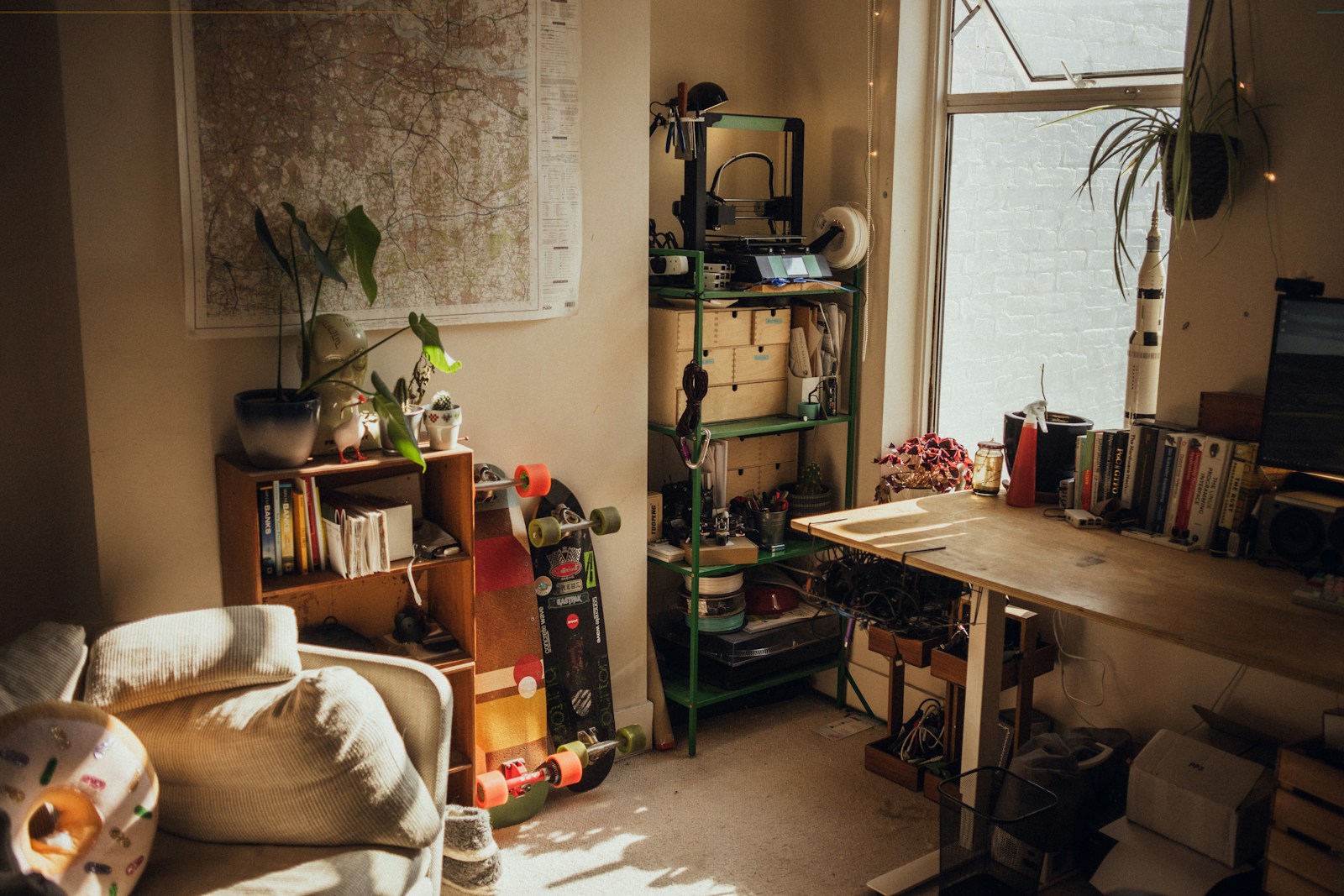
Cluttering surfaces with too many small accessories

You might think adding small decor pieces makes your space feel personalized. But when you pile on too many, it can quickly look busy and cluttered. Your surfaces should have room to breathe.
Try to limit small accessories to a few meaningful items. This keeps the area tidy and styled without overwhelming your eyes.
Grouping a few pieces together instead of spreading many out helps your space feel more organized. You can still show personality without turning your surfaces into a display case.
Leaving cords and cables exposed

When you leave cords and cables out in the open, they can quickly make your space feel messy and chaotic. Tangled wires distract the eye and break the flow of your room’s design.
You don’t have to hide technology completely. Simple solutions like cable organizers or cord covers can keep things tidy without much effort.
By managing your cords well, you create a cleaner look that helps your decor stand out. Reducing visible cables is an easy fix to make your home feel more organized and peaceful.
Placing all furniture only against walls

If you push all your furniture against the walls, your room might feel empty or awkwardly shaped. This often limits conversation areas and makes the space less inviting.
Try pulling some pieces away from the walls to create cozy groupings. This helps define different zones and encourages better flow.
You don’t need to overcrowd—just shift a few items inward to break up the space. Arranging furniture thoughtfully can avoid a cluttered look while making your room feel balanced and welcoming.
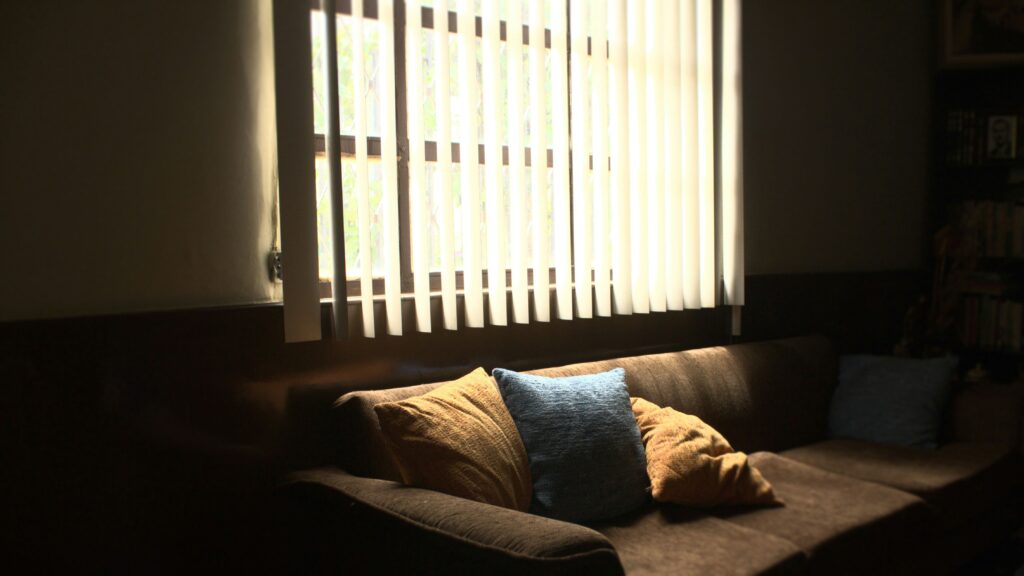
Neglecting natural light and using heavy drapes

When you block natural light with heavy drapes, your space can feel darker and more cramped. Light helps open up a room, making it appear larger and more inviting.
Choosing lighter curtains or blinds lets sunlight flow in easily. This brightens your home and reduces that cluttered, closed-in vibe.
If you want privacy, consider sheer fabrics or adjustable shades instead of thick drapes. This balances light and comfort while keeping your space airy and fresh.
Using natural light well can instantly improve your room’s mood and make your decor feel less crowded.
Overdoing patterns with wallpapers and fabrics
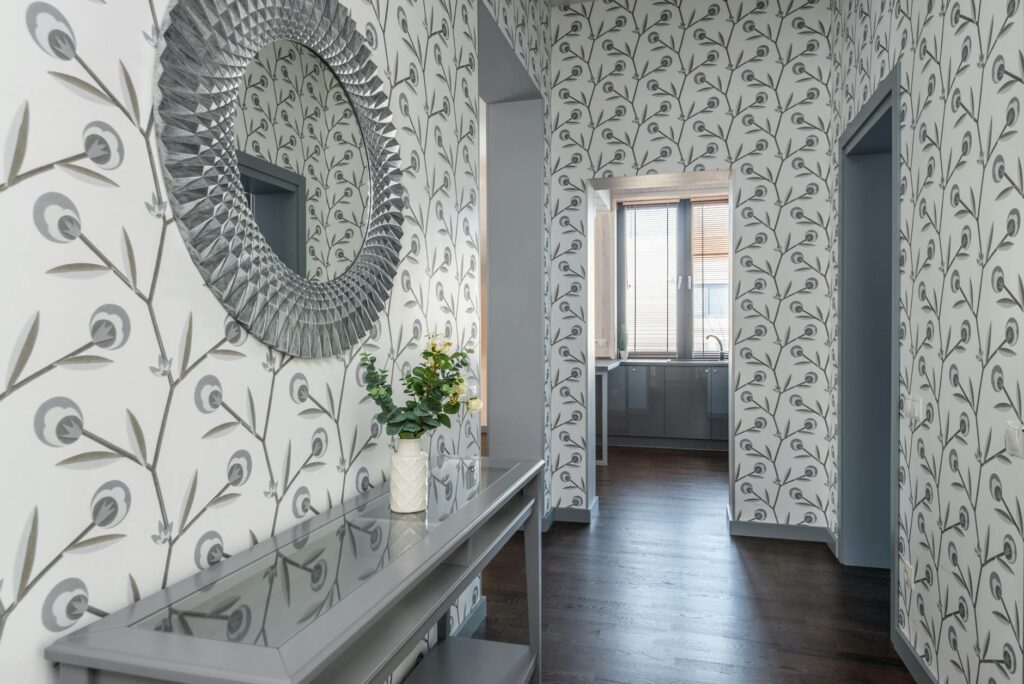
Using too many bold patterns can quickly make your space feel busy and crowded. When wallpapers and fabrics compete for attention, your room loses a sense of calm and balance.
You don’t have to avoid patterns altogether, but it’s best to pick one statement pattern and keep the rest simple. This helps create a cohesive look without overwhelming the eye.
Mixing textures instead of clashing prints can add interest without adding clutter. If you love patterns, try using them in smaller doses, like on pillows or a single accent wall.
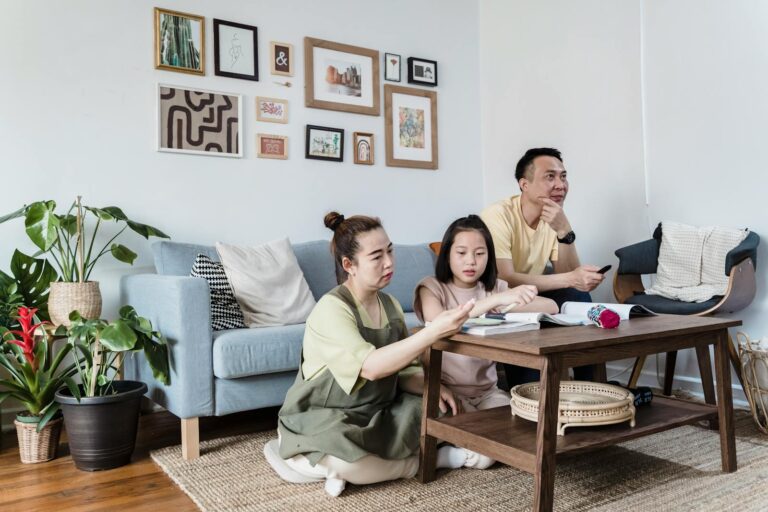
Overcrowding walls with excessive art

When you fill your walls with too many pieces of art, it can make the space feel busy and overwhelming. Your eye doesn’t have a place to rest, which adds to the cluttered feeling.
Instead, try choosing a few key pieces that speak to you and arrange them thoughtfully. Leaving some empty wall space helps balance the room and highlights your favorite art.
Grouping smaller pieces in a neat gallery style can work, but be careful not to cram them too close. This way, your walls stay interesting without feeling cluttered. For more tips, see decorating advice on avoiding overcrowded spaces.
Why Visual Flow Matters

Creating smooth visual flow in your home helps your space feel calm and inviting. When things are arranged thoughtfully, your eye moves naturally from one area to another. Without this flow, your room can feel chaotic and overwhelming.
How Clutter Disrupts Harmony

Clutter breaks the balance in a room by interrupting the natural path your eyes want to follow. Items like random piles, too many small decor pieces, or scattered cables stop your gaze and create distractions.
When surfaces are crowded, it’s harder to appreciate individual pieces or the overall style. Your room may feel cramped or messy, even if you have plenty of space.
Try grouping similar items or clearing flat surfaces to restore harmony. This small change lets your space breathe and makes every detail easier to enjoy.
The Impact on Daily Living

Visual clutter isn’t just an aesthetic issue—it affects your day-to-day comfort. When your space feels cluttered, it can make finding things more difficult and increase stress levels.
You may spend extra time tidying or moving things around, which interrupts your routine. A smooth flow means you can move freely without bumping into objects or feeling overwhelmed by your surroundings.
By reducing clutter and organizing thoughtfully, you create a home that supports relaxation and easy living, not constant reorganization or frustration.
Simple Solutions For a Tidy Space
Keeping your home tidy starts with smart choices in how you store items and arrange furniture. These strategies help reduce visual clutter and make your space feel open without sacrificing function.

Effective Storage Ideas
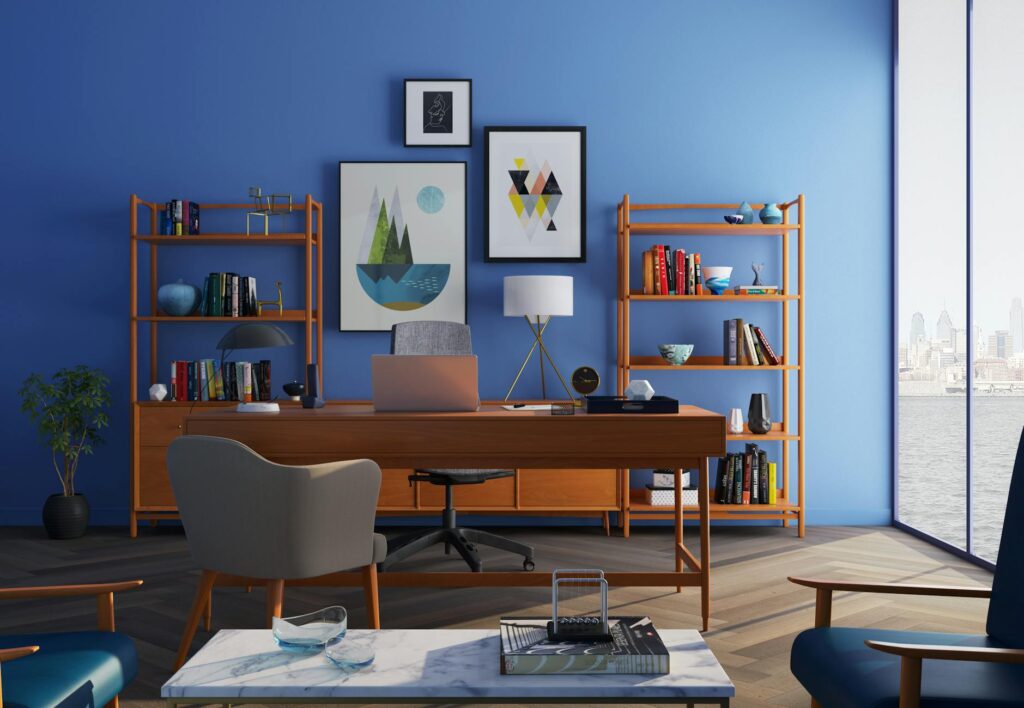
Use storage that fits your lifestyle and space. Consider multi-functional pieces like ottomans with hidden compartments or beds with built-in drawers to maximize underused areas. Clear, labeled containers make it easy to find what you need while keeping things orderly.
Vertical storage is often overlooked. Adding wall-mounted shelves or hooks can free up floor space. Use baskets or bins for loose items to prevent piles forming on surfaces.
Regularly declutter by asking yourself if each item adds value or joy to your space. Limiting what you keep cuts down on the clutter that storage has to contain.
Smart Furniture Arrangements

Arrange your furniture to create clear pathways and open space, which helps your home feel less crowded. Avoid pushing all pieces against walls. Instead, try floating a sofa or arranging seating in small groups to improve flow and conversation areas.
Choose furniture with slimmer profiles or open legs, which make rooms visually lighter. Don’t overstuff rooms—limit large pieces to what fits comfortably.
Use rugs to define areas without breaking the space into too many small zones.