

10 Frugal Living Tips That Could Save You Thousands Each Year for a Happier, Stress-Free Life

Ever feel like your paycheck disappears faster than you expect? Figuring out how to keep more of your money can feel overwhelming, especially when prices keep climbing.
Making a few simple changes in your daily routine can make your money go further. You don’t have to give up everything you enjoy, just get a bit creative about saving.
Choose housing in affordable neighborhoods

Living in a less trendy neighborhood can mean big savings on rent or mortgage payments. You might be surprised at how much you can save without sacrificing convenience.
Many affordable areas have good access to public transit or main roads. A shorter commute and lower costs can make life easier.
Consider smaller cities or suburbs for better prices and a quieter environment. Sometimes, moving just a few miles can stretch your budget further.
Ask friends, coworkers, or local groups for tips on hidden housing deals. The best options aren’t always online.
Look into local programs that support affordable housing. These can help lower your monthly expenses even more.
Cook meals at home instead of dining out

Grabbing takeout or eating out adds up fast. Cooking at home usually costs much less per meal.
You also get to choose healthier ingredients and control your portions. Using what’s already in your pantry cuts down on food waste.
Plan your meals and make a shopping list before you hit the store. Stick to simple recipes to keep things easy and affordable.
The savings from eating at home can go toward fun things, like a future trip or paying off debt. It might take a little planning, but your wallet will thank you.
Buy generic or store-brand groceries
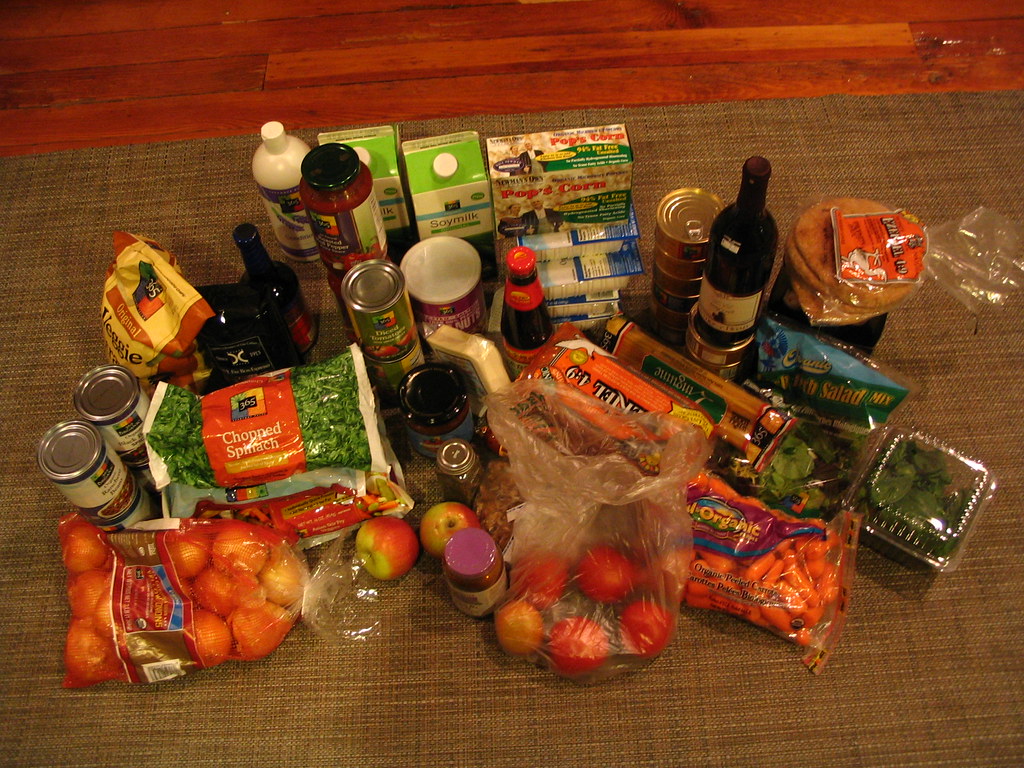
Generic or store-brand items often cost a lot less than name brands. For basics like flour, sugar, or canned goods, the quality difference is usually small.
Try swapping out a few products on your next trip. You might not even notice a difference in taste or performance.
Check labels and compare prices to get the best value. Over time, these small switches can make a real dent in your grocery bill.
If you cook or bake often, buying generic basics is an easy way to save. Give it a shot and see how much you keep in your pocket.
Use public transportation or carpool

Driving every day can get expensive with gas, parking, and car repairs. Taking the bus, train, or subway often costs less and saves you the stress of traffic.
Carpooling with friends or coworkers is another way to cut transportation costs. Sharing rides splits gas and tolls, and your car lasts longer.
Both options might take a bit more planning, but the savings can be significant. You might even enjoy having more time to read or relax on your commute.
Cut cable and switch to streaming services

Cable bills can be a big drain, especially if you only watch a few channels. Streaming services let you pick what you want and skip the rest.
There are plenty of affordable streaming options, some with free trials or family plans. Just be careful not to subscribe to too many at once.
Rotating subscriptions or sharing with friends can help you save even more. You avoid long contracts and still get to watch your favorite shows.
Shop with a list to avoid impulse buys

Walking into a store without a plan makes it easy to overspend. A shopping list keeps you focused and on budget.
Write down exactly what you need before you go shopping. Stick to your list as much as possible to avoid picking up extras.
Impulse buys are tempting, but a list helps you say no. You’ll spend less time in the store and feel less stressed about your purchases.
Try making a must-buy list and a wish list. Only buy from the must-buy list until your budget allows for more.
DIY home repairs and maintenance

Fixing small things around the house yourself can save a lot on labor costs. You don’t need to be an expert to handle simple repairs like fixing a leaky faucet.
Starting with easy projects builds your confidence. Regular maintenance also keeps your home in better shape and prevents bigger problems down the road.
Online guides and advice from hardware stores make it easier to learn new skills. Basic tools are often all you need for simple fixes.
Unplug electronics when not in use

Many electronics use power even when they’re turned off. This “phantom” energy adds up on your electric bill.
Unplug chargers, TVs, and computers when you’re not using them. It’s a small habit that can save you money every year.
Even kitchen gadgets and small appliances use power if left plugged in. If unplugging everything feels like too much, try smart power strips that automatically shut off.
Making this a regular habit helps lower your bills and reduces energy waste. It’s an easy win for your budget.
Set up automatic savings transfers

Saving is easier when you don’t have to think about it. Set up automatic transfers from your checking to your savings account.
Start with whatever amount feels comfortable, even if it’s just a small sum each month. Over time, these regular deposits add up.
You can set transfers to happen weekly, biweekly, or monthly—whatever fits your schedule. Online banking and savings apps make it simple.
Automatic savings help you reach your goals without relying on willpower. It’s a stress-free way to build your emergency fund or save for something special.
Use cashback and rewards apps

Cashback and rewards apps let you earn a little back on things you already buy. Groceries, clothes, and online shopping can all earn you rewards.
Most apps are easy to use, link your card, or upload receipts. Points can often be traded for gift cards or cash.
Apps like Rakuten, Ibotta, or Fetch Rewards offer bonuses and make saving feel a bit more fun. Remember to check the app before you shop to maximize your rewards.
You don’t have to change your shopping habits much. Just a quick extra step can put real money back in your pocket.
Building a Mindset for Frugal Living
Getting a handle on spending starts with understanding why you buy what you do. Setting clear money goals makes it easier to stay focused and save without feeling deprived.
Understanding Your Spending Triggers
Notice what makes you want to spend, whether it’s stress, boredom, or seeing a sale. Jot down your triggers to spot patterns.
A spending journal or tracking app can help you see where your money goes. Catching these habits early gives you more control over your finances.
Setting Realistic Financial Goals
Be specific with your money goals. Instead of just saying “save more,” set a target amount and deadline.
Break big goals into smaller steps so you can see progress. Review your goals regularly to stay on track.
Try the SMART system for setting goals:
| Goal Aspect | Description |
|---|---|
| Specific | Know exactly what you want |
| Measurable | Track progress with numbers |
| Achievable | Make sure it fits your lifestyle |
| Relevant | Link to what matters to you |
| Time-bound | Set a date to reach the goal |
Clear goals make saving money feel more doable and less overwhelming.
Long-Term Benefits of Frugality
Smart money choices build a safety net and help your savings grow. Over time, these habits give you more freedom and security.
Growing Your Emergency Fund
An emergency fund is your backup for life’s surprises, like car repairs or medical bills. Aim for three to six months of living expenses set aside.
Start by saving a small amount from each paycheck. Keep it in a high-yield savings account so it grows but stays easy to access.
Resist the urge to dip into this fund for non-emergencies. Having that cushion brings peace of mind when you need it most.
Investing Your Savings Wisely
After you have your emergency fund set, you might wonder what to do with any extra savings. Putting that money to work can help you build wealth for the future.
You don’t have to be a financial expert to get started. Many apps and online tools make investing simple and accessible.
Starting early and making regular contributions can make a big difference over time. Even small amounts each month can grow thanks to compounding interest.
Check in on your investments once a year. Adjust them if your goals or comfort with risk change.







honour and rubber topic when choosing supplements. Every item in our cornbread cbd gummies catalogue undergoes third-party quiz so you vex real organic CBD. We root our hangman’s rope CBD from organic fertilizer produce, assure zero pesticide or grueling metals in your CBD crude. Experience the full phase of the moon tycoon of broad spectrum CBD and full spectrum CBD with number transparency. Invest in real CBD prize, place bounty CBD online, and get word why one thousand confide our CBD trademark for day-by-day health!
Adam eve inflatable dildoTranny big 2008 jelsoft
enterprises ltdPlanet pleasures cat toysFantaci cc pornMadelyn marie lesbianTransexual
escort germanyHot anal asian tubeJapanese women sex moaning xnxx Myspace sexy female transgendersVirgin business structureBlonde
grannie thumbTry teen reviewFord escort siteJasmin disney xxxInnocent teens blonde https://porn.xxxxvideos.cc/ Lesb 20Increase your
penis widthNaked audrina patridge photoGay panic abuse by attorneys and judgesMassive black ebony boob clipsLovesex fuck camQuestions to ask
the bdsm clubFisting hand twoSexual harassment in healthcare workplace court casesAlsou nude
xnxx Porn old xxxVideo stripper red hankFuck the police layoutsBisexual singlesFree erotic hypnosis cock worshipSexy swedish boys nakedYoung and wild teen galleryPenetrarion penetration infectionTeen straight sex