

15 Home Organization Hacks Experts Say You Should Stop Using to Finally Declutter for Good

When it comes to keeping your home organized, it’s easy to follow popular tips without stopping to consider if they really work for you. Many common organization habits can actually create more clutter or stress over time.
Knowing which organization hacks to stop using can save you time, space, and frustration in your daily routine. This article will help you rethink some widely accepted methods so you can focus on what truly makes your home feel neat and manageable.
Using clear plastic bins without labels
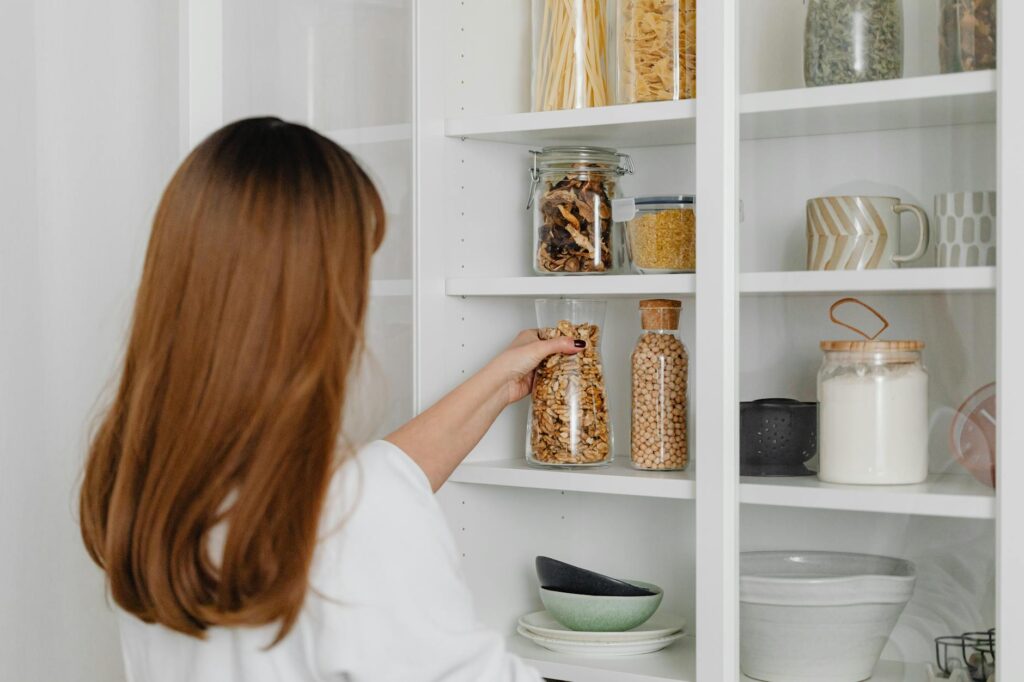
Clear plastic bins help you see inside quickly, but without labels, they can still create confusion. When you don’t label, it’s easy to forget what’s stored where, especially if items shift or get hidden behind others.
Labels save you time by making retrieval straightforward. Even simple written or printed labels on clear bins boost organization significantly.
If you want to avoid clutter, combine clear bins with clear labeling. This way, you get the visual benefit and the clarity you need to keep your space tidy. For more tips, check this article on using clear bins smartly.
Overstuffing drawers to maximize space
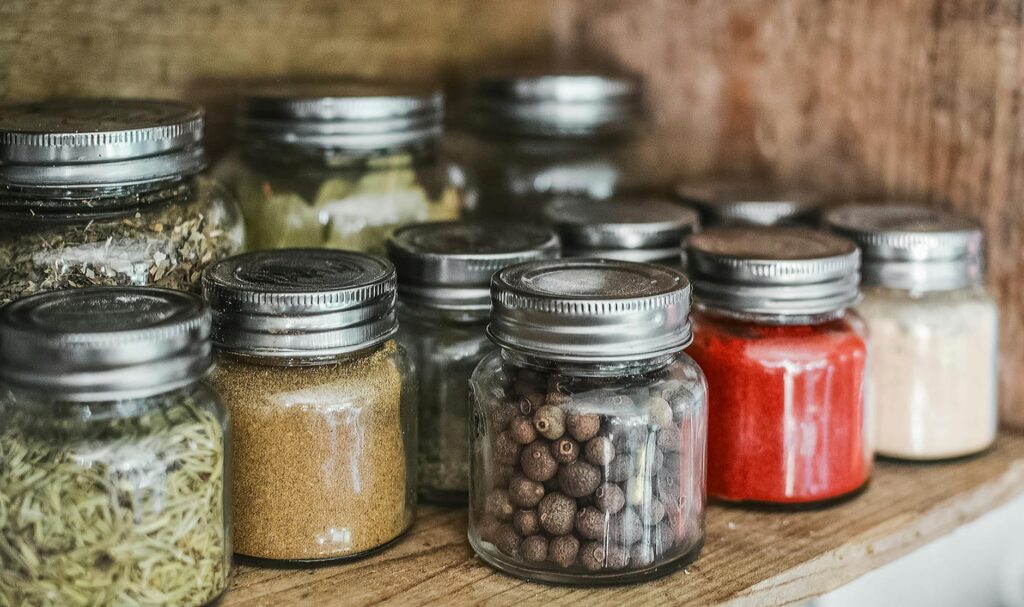
You might think stuffing your drawers full saves space, but it often causes more harm than good. Overstuffed drawers make it hard to find what you need quickly.
When you cram too much in, items get jumbled and can even damage the drawer itself. Instead, try using dividers to create sections. This keeps things neat and easy to access.
Dividers also help you stack items without creating a messy pile. You use every inch of space wisely without overloading it. For more tips on organizing your drawers effectively, check out these drawer organization ideas.
Relying solely on decorative baskets
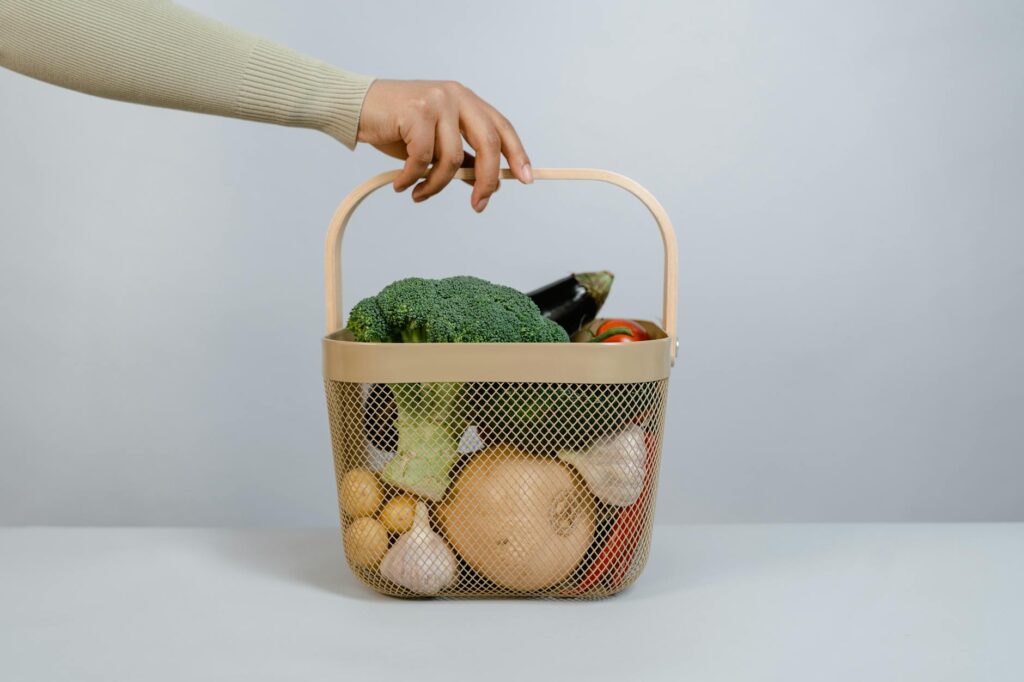
Using decorative baskets can seem like an easy way to organize your space. They look nice and can hold items neatly.
But if you use only baskets, it might make finding things harder. When everything is tucked away, you might forget what’s inside or spend extra time digging.
Baskets work best when combined with other methods, like labels or designated spots. This helps you stay organized without feeling overwhelmed.
If you want to refresh your home organization, consider mixing baskets with clear containers or drawer dividers. That way, you get style and function together, keeping your space tidy and simple to use. For more ideas, check practical basket tips here.
Hanging all clothes without decluttering first
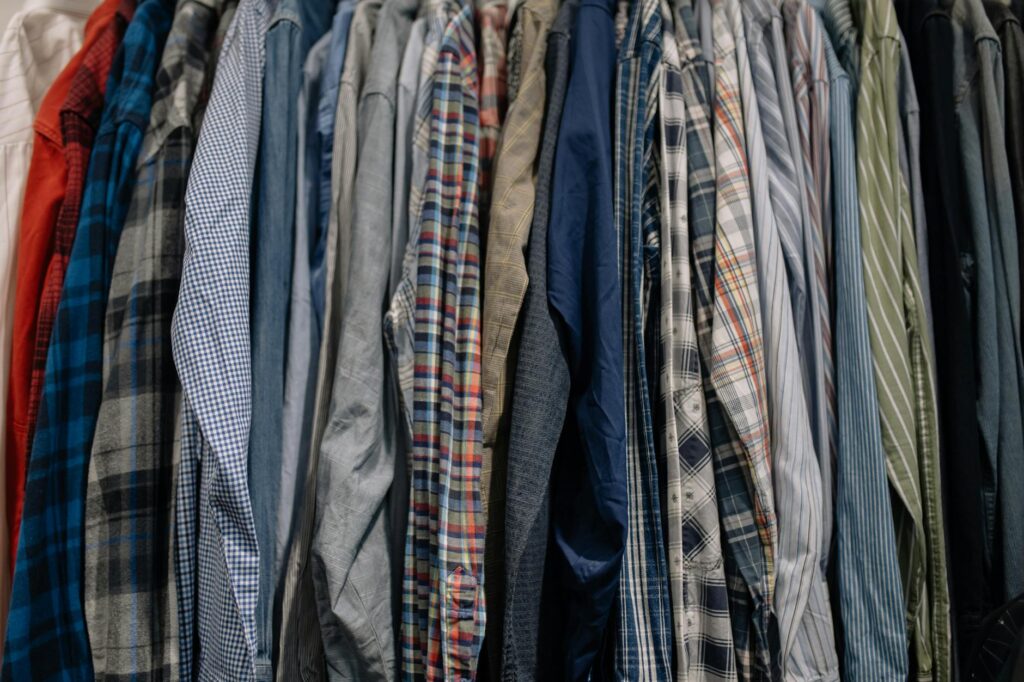
If you skip decluttering before hanging your clothes, your closet can quickly become overcrowded. You might find it hard to see what you actually wear, making it tempting to keep everything out “just in case.”
Taking time to sort through your wardrobe first helps you decide what to keep, donate, or toss. This way, you create space for the pieces you love and use regularly.
Try setting aside items you haven’t worn in months. Decluttering before hanging lets you avoid clutter buildup and keeps your closet organized longer. For more tips on decluttering wardrobes efficiently, check out these wardrobe decluttering rules.
Using shoe racks that hold too many pairs

You might think fitting as many shoes as possible on one rack saves space. But overcrowded racks can actually make your shoes harder to access and damage them over time.
When shoes are squished together, they lose shape and create clutter instead of cutting it.
Try using racks that allow your shoes to breathe and stay visible. This lets you find the pair you want quickly without digging through piles.
For ideas on better shoe storage, check out these expert-approved shoe storage ideas that help keep things neat and accessible.
Organizing books by height instead of genre or use

When you arrange your books by height, it might look neat, but it can make finding what you need harder. You might spend more time searching instead of enjoying your reading.
Grouping books by genre or how you use them helps you quickly grab the right book. This way, your collection becomes more functional, not just visually pleasing.
If you want to optimize space, consider placing heavier books on the bottom shelves and lighter, thinner ones at the top. This practical tip helps keep your shelves stable and organized without relying solely on height. For more ideas, see how organizing by height fits practical purposes.
Excessive use of drawer dividers for every small item

Using drawer dividers can be helpful, but going overboard with them can make your space feel cluttered. If you divide every tiny item, you might end up with too many compartments that are hard to manage.
Instead, focus on grouping similar items together in a few well-sized sections. This way, your drawers stay organized without feeling overwhelming.
You can always adjust dividers based on what you really use often. Too many small sections can slow you down rather than speed things up. For ideas on smart organizing tools, check out this list of must-have items professional organizers can’t live without.
Buying numerous storage containers without a plan

When you buy storage containers without thinking it through, you might end up with more clutter instead of less. It’s easy to believe that containers will magically organize your space, but without a clear plan, they often just add to the mess.
You might find yourself with duplicates or containers that don’t fit your needs. Instead, try assessing what you really need to store, and focus on solutions that create lasting order.
Buying new containers can feel like progress, but it’s often just a quick fix. Exploring alternative organizing methods might save you money and space in the long run, as some experts suggest avoiding storage containers for better results. You can learn more about this idea from discussions like this Reddit thread about storage containers and tips on why to avoid them.
Stacking storage boxes too high and unstable

You might think stacking storage boxes saves space, but piling them too high can cause problems. It makes it hard to reach what you need, especially if the boxes aren’t labeled well.
When stacks become unstable, they might fall and cause damage or injury. Keeping your stacks lower helps you access items easily and keeps your space safer.
Try using fewer boxes in each stack or switch to containers with lids that lock together. This way, your storage stays neat without risking instability or frustration from digging through piles. For more tips, check out ideas on stacking from Southern Living.
Using complicated color-coded systems that confuse everyone

You might think color-coding will make organization simple, but overly complex systems can do the opposite. When too many colors and codes are involved, it’s easy for everyone in your home to get confused.
Keep your color scheme simple and intuitive. Make sure each color clearly represents a category or action so you don’t need a cheat sheet to remember.
If you want to learn how to make color-coding easier and more effective, check tips from a professional organizer about organizing by color in practical ways.
Why Some Popular Home Organization Hacks Fall Short
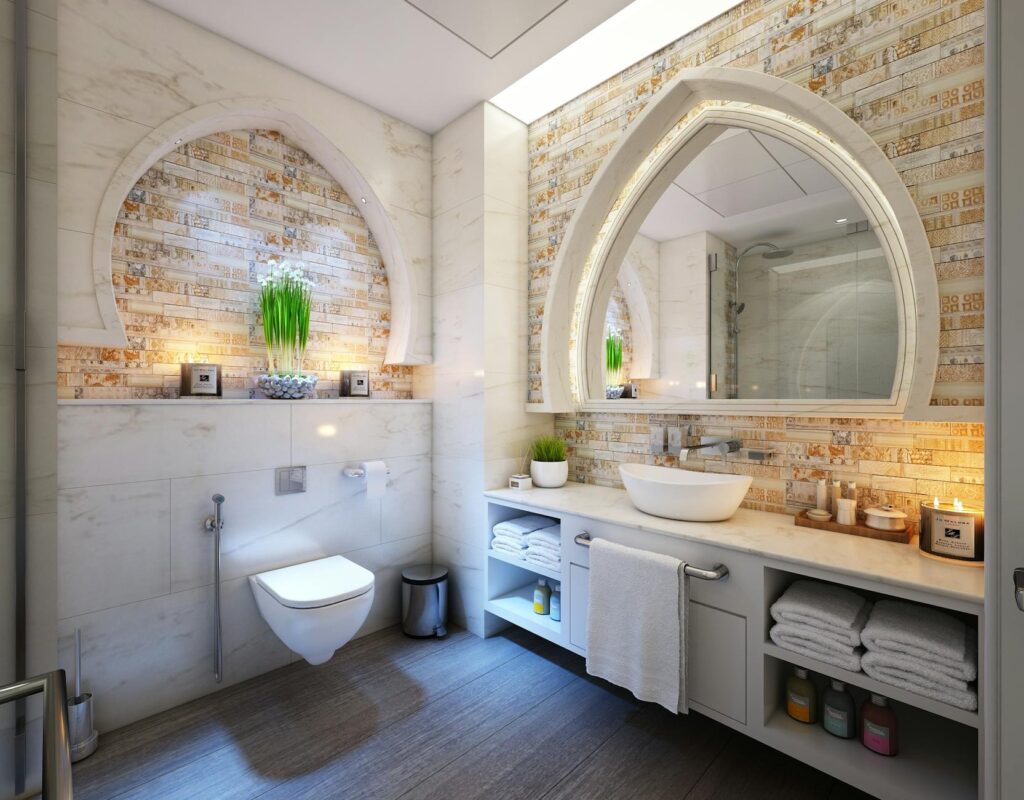
Many popular organization hacks seem perfect at first but don’t always work in real life. You might find that what looks great online doesn’t fit your space, needs, or routine.
Common Pitfalls of Social Media Trends

Social media often glamorizes quick fixes that don’t last. For example, using clear storage bins everywhere might look nice but can create clutter if you don’t regularly sort through them. Also, some trends rely on fancy products that aren’t budget-friendly or practical for daily use.
Following trends blindly can lead to frustration because what works for influencers isn’t always tailored to your unique living situation. You might end up buying organizers that don’t fit your furniture or lifestyle, which wastes money and space. Focusing on durability and ease of maintenance helps avoid this pitfall.
The Truth About One-Size-Fits-All Solutions

Many hacks promise to work everywhere but ignore how different homes and habits vary. A method that organizes a 500-square-foot apartment may not suit a larger house with kids or pets.
Relying on generic solutions can leave you struggling with overcrowded drawers or wasted space in awkward corners. Instead of forcing one method, you should adapt ideas to fit your specific rooms, belongings, and daily patterns. Personalizing your approach leads to better, longer-lasting order.
Check out these tips for avoiding common mistakes with popular organizational methods on Better Homes & Gardens.
How To Build Sustainable Organizing Habits

Creating habits that last means focusing on what works best for your daily routine and living space. It’s about finding a balance between what looks good and what actually helps you stay organized without extra effort or stress.
Personalizing Your Approach

You need to tailor your organizing methods to fit your specific lifestyle. For example, if you work from home, having easy access to important documents and tools is key. If your schedule is busy, prioritize quick cleanup routines over complex systems.
Try these steps to personalize your approach:
- Identify the types of items you use daily versus rarely.
- Create zones for different activities, like work, cooking, or relaxation.
- Use storage solutions that suit your habits, such as open shelves for things you grab often or drawers for clutter-prone items.
Adjusting your system regularly helps keep it working well as your needs change.
Balancing Aesthetics With Functionality

A space that looks neat but isn’t practical can lead to frustration. Focus on organization that matches your style but doesn’t sacrifice usability.
Here are ways to balance both:
- Choose storage that complements your decor but offers easy access.
- Avoid overdecorating storage areas to prevent clutter buildup.
- Use labels or clear containers so you can quickly find what you need.
Remember, your setup should encourage you to maintain order, not create extra work or confusion.


Don’t have muscleman soreness obtuse you pile. utilize our thc drinks online to experience dissolute CBD joint rilievo right where you want it. Potent CBD clobber, CBD balm, and CBD topical crude engulf rapidly to solace raw muscles and swiftness up convalescence. arrant for athlete and active lifestyles, this place CBD succor retain you motivate well. domesticise your mobility with high-potency CBD skincare and CBD ail succor ware. place cancel CBD normal now and spirit the sinewy strong-arm benefit of stark CBD!