7 Subtle Things Kids Do That Reveal How They Really Feel

Ever wondered what’s really going on in your child’s mind? Kids might not always talk about their feelings, but their actions can reveal a lot if you know what to look for.
Noticing these small signs can help you get closer to your child and understand what’s happening beneath the surface.
Avoiding eye contact during conversations

You might catch your child looking everywhere except at you during a chat. This can mean they’re worried about being judged or getting in trouble.
Sometimes, kids look away because past experiences made them feel that direct eye contact invites criticism. They use this as a way to protect themselves.
Other times, it’s just that making eye contact feels awkward or too intense for them. Especially for kids with sensory sensitivities or social anxiety, looking someone in the eye can be uncomfortable.
Being aware of this can help you approach conversations with more patience and understanding.
Fidgeting or tapping fingers nervously

Ever notice your child tapping their fingers or fidgeting when things get tense? These movements often show they’re feeling nervous or unsure.
Fidgeting isn’t just a distraction; it’s sometimes how kids manage stress. The movement helps them feel calmer and more focused.
If your child keeps tapping or shifting, it might be their way of soothing themselves when life feels overwhelming. Paying attention to these clues can help you support them when they need it most.
Suddenly withdrawing from play or social interaction

It can be confusing when your child suddenly stops playing with friends or avoids group activities. This change often signals something deeper is going on.
Withdrawal like this might mean your child is feeling upset, anxious, or hurt by something. Maybe they had a tough moment with someone, or they’re overwhelmed and don’t know how to say it.
When you notice your child pulling back from things they used to love, it’s worth checking in gently. Sometimes, a quiet moment is their way of asking for help.
Using quiet or softer voice than usual

A sudden drop in your child’s voice volume can speak volumes about how they’re feeling. You might hear them whispering or talking much softer than usual.
This can signal shyness or uncertainty, or that they’re trying not to attract attention. Sometimes, a soft voice is a way to protect themselves when things feel too much.
Encourage your child by creating a calm space and letting them know it’s okay to speak up when they’re ready. Often, a quiet voice means they’re thinking things through or feeling cautious.
Giving forced or fake smiles
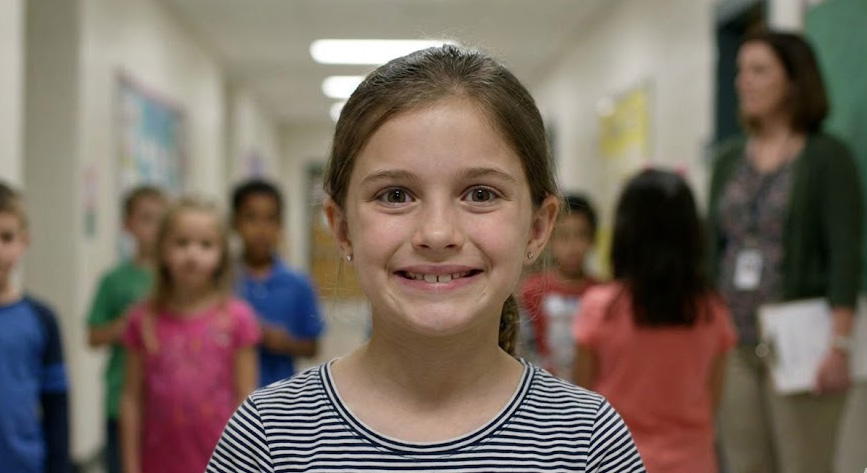
Have you ever seen your child smile, but something about it just seems off? Forced smiles usually involve only the mouth, not the eyes.
Kids sometimes use these fake smiles to please others or hide discomfort. As they get older, they even learn to spot fake smiles in others.
When you notice these kinds of smiles, it’s a gentle reminder to check in and see how your child is really feeling. Sometimes, a smile is just a mask.
Showing hesitation before answering questions
If your child pauses before answering, it might mean they’re feeling unsure or nervous. You might see them look away or fidget while they think.
This hesitation is often a sign they’re weighing their words or emotions. They could be afraid of saying the wrong thing or disappointing you.
Giving your child time to answer, without rushing, shows you care about their feelings. Your patience helps them feel safe enough to share honestly.
Displaying restlessness or inability to sit still
Kids who can’t sit still might not just be energetic—they could be feeling anxious or overwhelmed. If your child is always moving, fidgeting, or pacing, pay attention.
This need to move isn’t always about boredom. Sometimes, it’s the body’s way of handling stress or big emotions.
Noticing these restless moments means you can offer breaks or quiet time to help your child reset. Movement can be a silent message about how they’re coping.
Why Kids’ Emotions Often Go Unnoticed
Kids don’t always have the words to explain how they feel. Instead, their real emotions can get hidden behind actions or family expectations.
Barriers to Open Communication
Some kids struggle to put feelings into words, so you might see them act quiet or avoid eye contact instead. They might also worry about your reaction, choosing silence over risking disappointment.
Fear can keep kids from opening up, especially if they’ve been told not to show certain emotions. Gentle questions and a calm presence can help them feel safe to share.
Cultural and Family Influences
Every family and culture has different ideas about talking about feelings. Some kids are taught to keep emotions private or not show sadness or anger.
In some homes, kids express feelings through actions, not words. Recognizing your family’s approach can help you spot subtle emotional signals in your child.
Tips for Supporting Your Child’s Emotional Expression

Helping your child open up starts with making them feel safe and heard. Trust is built when you honor their feelings and listen without judgment.
Creating a Safe Space
Set up a space where your child can talk without interruptions or distractions. Show warmth and patience, letting them know it’s okay to feel any emotion.
Simple things like having quiet time together or turning off devices during conversations can make a big difference. Your child will feel more comfortable sharing when they know you’re really listening.
Encouraging Honest Conversations
Kids often have a tough time putting their feelings into words. Try asking open questions like, “Can you tell me what’s bothering you?” rather than yes or no questions.
You might find that activities like drawing or storytelling help younger kids open up. Role-playing can also make it easier for them to share what they are experiencing.
Creating emotion charts or lists of feelings can help kids name what they are going through. Sometimes, just having the words available makes a big difference.
If your child is not ready to talk, let them know you are there whenever they want to share. Avoid pushing for answers, and give them space when they need it.
When your child does express their feelings, let them know you appreciate their honesty. Saying things like, “I’m proud of you for telling me how you feel,” can build their confidence.
Making emotional conversations a regular part of your day helps kids see that sharing feelings is normal. Over time, they will learn that it is safe to open up.