A Dad Found Out His Daughter Had Been Walking Home Alone After School for Two Months Because the Carpool Group Quietly Dropped Her Without Saying Anything

When Daniel’s daughter told him she had a good day at school, he believed her because she always sounded cheerful. Every afternoon she came through the front door, finished her homework, and never complained about getting home.
Daniel assumed she was still riding with the neighborhood carpool that had been in place since the school year began. It was a routine he never had a reason to question. That changed with one unexpected conversation that made him realize his daughter had been carrying a secret far heavier than her backpack.
An Ordinary Question Changed Everything
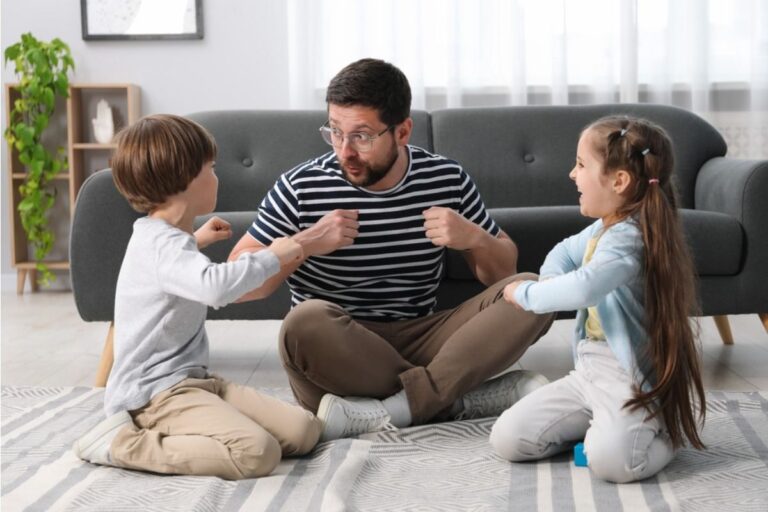
One evening, Daniel casually asked eleven year old Sophie whether Mrs. Bennett’s new SUV was more comfortable than the old van she used for carpool. Sophie froze for just a moment before quietly saying, “I haven’t ridden with them in a long time.” Daniel laughed at first, thinking she meant a few days. Then she explained she had been walking home after school instead. His smile disappeared as he tried to understand what she had just said.
The Timeline Kept Getting Worse
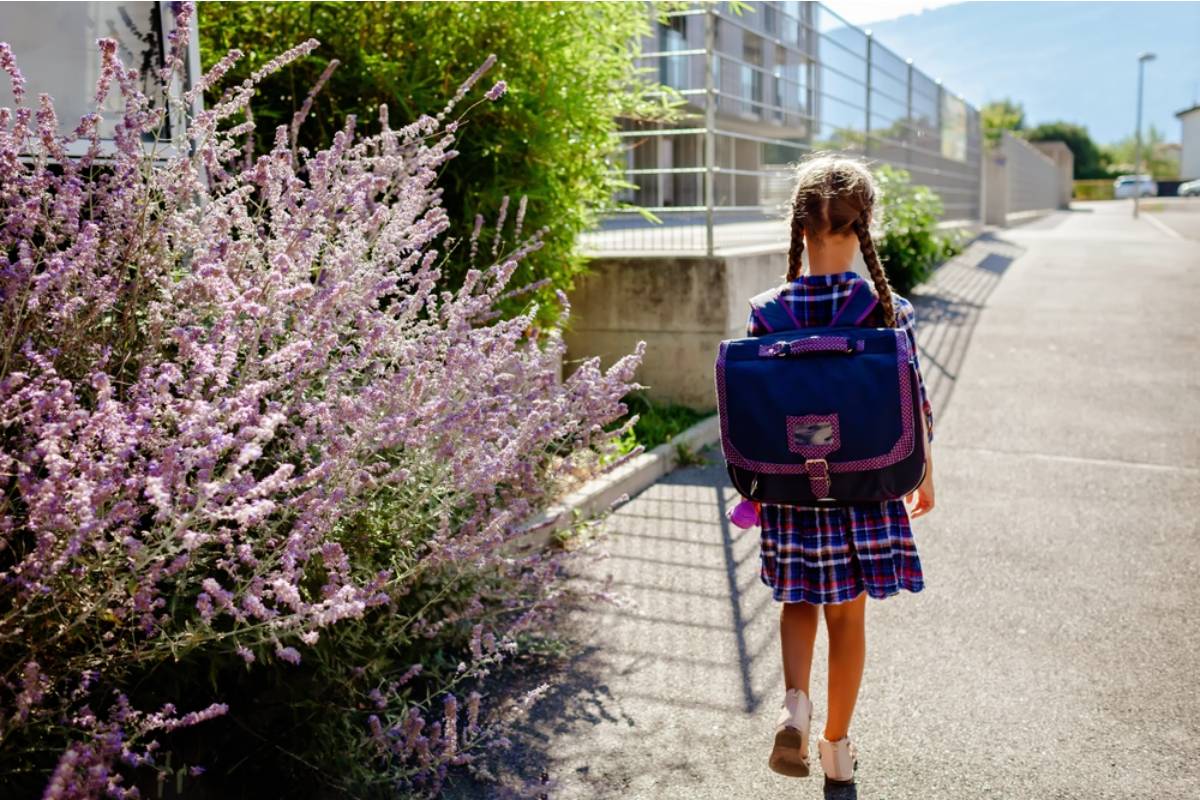
Daniel asked how long she had been walking, expecting the answer to be a week at most. Sophie counted backward using classroom events and school assemblies until she quietly concluded it had been almost two months. Daniel stared at her in disbelief, trying to figure out how something so significant had gone unnoticed. She explained that she usually arrived home only a few minutes later than the carpool would have. That small difference had hidden the truth in plain sight.
The Story Behind the Missing Ride
When Daniel gently asked why the carpool stopped picking her up, Sophie shrugged as though it were no longer important. She said one afternoon the other parents simply drove away without waiting for her. The next day, nobody stopped again. After several afternoons standing by the curb alone, she assumed they no longer wanted her in the group. Instead of asking questions, she decided to walk home.
Keeping the Secret Felt Easier
Daniel asked why she had never mentioned any of this. Sophie admitted she thought bringing it up would create problems between adults who were friends. She also worried people would think she had done something wrong if the other families no longer included her. Walking home felt embarrassing, but explaining why felt even harder. So she chose silence instead.
A Neighbor Confirmed What Happened
The next morning, Daniel spoke with a neighbor whose son attended the same school. She looked genuinely surprised when he mentioned the situation. She explained that she had assumed Sophie was riding with another family because she had not seen her getting into the usual vehicle. The realization spread across her face as she understood nobody had actually checked. Daniel began to see how several assumptions had combined into one serious mistake.
An Awkward Conversation Followed
Daniel contacted Mrs. Bennett and politely asked why Sophie had been removed from the carpool. There was a long pause before she admitted the group had reorganized transportation after one family changed schedules. She believed another parent planned to tell Daniel about the changes. That conversation apparently never happened. Everyone simply assumed someone else had handled it.
Sophie’s Daily Routine Came Into Focus
Daniel asked Sophie to describe what her afternoons had looked like. She explained that she crossed two busy intersections, stopped at the public library when she arrived early, and always texted herself reminders so she would not forget homework ideas during the walk. She spoke about the routine so calmly that it almost sounded normal. Daniel realized she had built an entire system around a situation no child should have accepted alone. Hearing those details made his frustration even stronger.
The School Was Caught Off Guard
Daniel requested a meeting with the assistant principal to understand whether anyone at school had noticed. Staff members admitted they assumed Sophie was leaving with her usual transportation because her dismissal routine had never officially changed. No one realized she was quietly walking away by herself each afternoon. The assistant principal acknowledged that better communication could have prevented the misunderstanding. New dismissal procedures were discussed before the meeting ended.
Friends Shared a Different Perspective
When Sophie finally talked to two classmates about what had happened, they looked shocked. One admitted she had thought Sophie wanted to walk because she always looked relaxed heading toward the sidewalk. Another confessed she assumed Sophie had switched carpools with another family. Neither girl realized Sophie had felt excluded the entire time. Their reactions helped Sophie understand that appearances had hidden the truth from almost everyone.
A Difficult Apology Arrived
Several parents from the original carpool group asked to meet with Daniel and Sophie. They explained that each adult believed someone else had informed the family about the new arrangement. One mother became emotional after realizing Sophie had interpreted the silence as rejection. She apologized directly to the young girl for allowing confusion to replace communication. Sophie quietly accepted the apology but admitted those first few afternoons had been especially painful.
The Trust Took Time to Rebuild
Daniel did not immediately agree to place Sophie back into the same carpool. Instead, he focused on making sure she felt comfortable discussing problems instead of carrying them alone. They started talking every afternoon during the drive home about school, friendships, and anything that seemed unusual. Sophie gradually became more willing to share small concerns before they grew into larger ones. Daniel realized those conversations mattered far more than transportation itself.
A Lesson the Neighborhood Never Forgot
The families eventually created a shared communication plan so transportation changes would always be confirmed directly instead of passed along through assumptions. Parents also agreed that no child would ever be left wondering where their ride had gone without receiving a clear explanation. Sophie slowly regained confidence around the other families, though the experience stayed with her for a long time. Daniel often thought about how close he had come to never discovering what was happening. It reminded everyone involved that silence can sometimes hurt just as much as an intentional decision, especially when a child is left to make sense of it alone.