A Dad Says His Daughter’s Dance Instructor Told Her in Front of the Class That She’d “Never Have the Body for This”

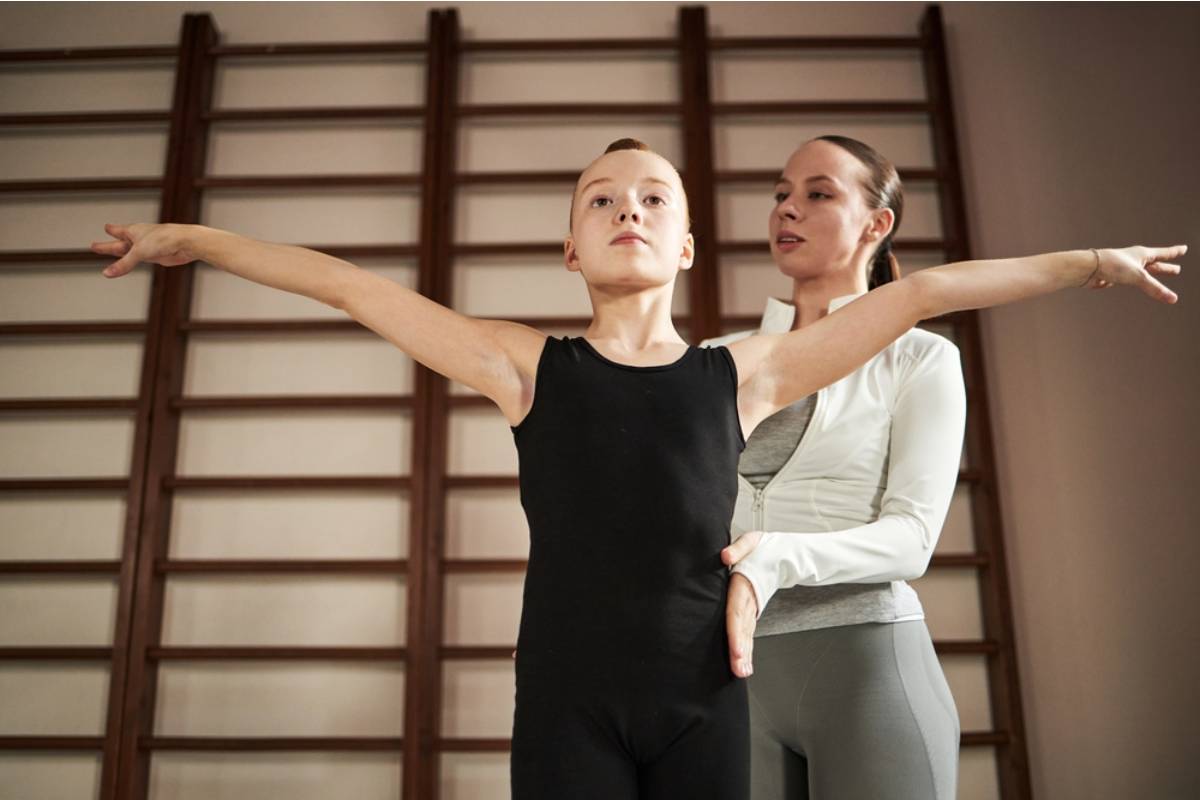
For thirteen-year-old Ava Reynolds, dance had always been the place where she felt most confident. She started taking classes when she was six and spent years practicing routines in the living room, performing at recitals, and building friendships at the studio.
Her parents never expected her to become a professional dancer, but they loved seeing how much joy the activity brought her. That changed after one class when Ava came home unusually quiet and refused to talk about what happened. When her father, Daniel, finally learned what her instructor had said in front of the class, he knew the situation needed to be addressed.
The Ride Home Where Ava Would Not Talk
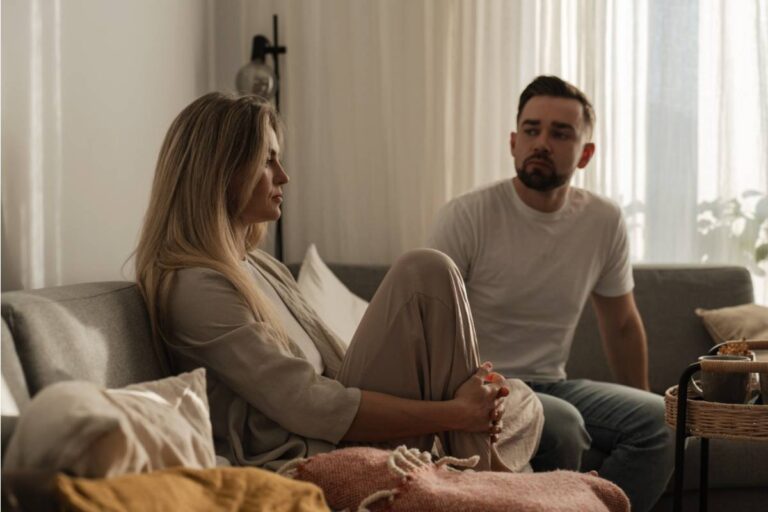
Daniel Reynolds immediately noticed something was different when he picked Ava up from dance practice on Thursday evening. Usually, she would spend the entire ride home describing the new choreography, laughing about mistakes during rehearsal, or talking about upcoming performances. That night, she sat quietly in the passenger seat and stared out the window.
At first, Daniel assumed she was tired after a long class. He asked if practice had been difficult, but Ava only shrugged and said she was fine. The answer did not match her expression, and Daniel knew his daughter well enough to recognize when something was wrong.
When they arrived home, Ava went straight to her room instead of grabbing her usual snack and showing her father the moves she had learned. Daniel waited before asking again because he did not want her to feel pressured.
Later that evening, Ava finally came downstairs and admitted that something happened at the studio.
The Sentence Ava Could Not Forget
Ava told her father that the instructor, Melanie Brooks, had stopped the class during a rehearsal exercise. The students were practicing a routine for an upcoming showcase when Melanie criticized several dancers for their technique and appearance.
According to Ava, the instructor looked at her and said that she needed to be realistic because she would “never have the body for this.” The comment was made in front of the other dancers, and Ava said the room became completely quiet afterward.
She explained that she did not know how to respond. She felt embarrassed, especially because some of the other students looked uncomfortable but did not say anything.
Daniel was shocked because he knew how much dance meant to his daughter. He asked Ava exactly what she understood from the comment, and she admitted that it made her wonder if she belonged in the class at all.
The Conversation That Revealed More Details
Daniel sat with Ava and asked her to explain what had happened before and after the comment. He wanted to make sure he understood the full situation rather than reacting only from anger.
Ava said Melanie had made smaller comments before about dancers needing to “look the part.” She had heard reminders about posture, strength, and presentation, which she considered normal for a serious dance environment.
However, this comment felt different because it was personal. Ava said she had always accepted corrections about her movements, but she did not expect to be judged based on her body.
She told her father that she was worried complaining would make things worse. She did not want the other dancers to think she was causing drama or that the instructor would treat her differently.
The Parent Who Wanted Answers Before Acting
The next morning, Daniel contacted the dance studio and requested a meeting with Melanie. He did not immediately post online or accuse the instructor publicly because he wanted to hear her explanation first.
During the meeting, Daniel explained what Ava reported and asked whether Melanie remembered making the comment. Melanie initially said she was trying to motivate students and did not intend to hurt Ava.
She explained that competitive dance could be demanding and that she often pushed students to understand the expectations of advanced programs. She said she believed she was preparing them for challenges they might face.
Daniel responded that preparing students for challenges should not involve making them feel ashamed of themselves. He told Melanie that comments about a young person’s body could have a lasting impact.
The Studio Owner Learns About the Complaint
After the conversation with Melanie did not resolve the issue, Daniel contacted the studio owner, Karen Mitchell. He explained that his concern was not about one correction during class but about how the comment affected Ava’s confidence.
Karen was surprised because Melanie had worked at the studio for years and was considered a skilled instructor. However, she also understood why the comment was serious.
She asked Daniel whether other students had witnessed the situation. Daniel explained that several dancers were present and that Ava was not the only person who seemed uncomfortable.
Karen promised to speak with students, staff members, and parents before deciding what steps needed to be taken.
Other Dancers Begin Sharing Their Experiences
Once the studio began looking into the situation, other parents reached out. Some said their daughters had mentioned uncomfortable comments about appearance and weight during classes.
One parent explained that her child had started avoiding certain outfits because she worried about being judged. Another said her daughter had become anxious before rehearsals because she felt she was constantly being evaluated.
Not every student described the same experience. Some dancers said Melanie was encouraging and helped them improve their skills.
The situation became complicated because many families respected the instructor’s talent while still questioning whether some of her methods crossed a line.
Ava Struggles With Whether to Return
During the investigation, Ava told her father she was unsure if she wanted to continue dancing. She said she still loved performing but worried that returning to the studio would bring back the same feelings.
Daniel reminded her that the instructor’s words did not define her ability or her passion. He told her that enjoying dance was not something another person could take away.
Ava eventually agreed to attend one class while her parents worked through the situation. She wanted to see whether anything changed before making a final decision.
When she returned, she felt nervous walking into the studio. She wondered if everyone knew about the complaint and whether people were judging her.
The Meeting Between Families and the Studio
Karen organized a meeting with parents to discuss concerns about teaching methods and communication. She explained that the studio wanted students to improve but also wanted them to feel respected.
Several parents shared their experiences, including both positive and negative stories. Some defended Melanie’s dedication, while others said the environment had become too focused on appearance.
Daniel spoke about Ava’s experience and explained that his goal was not to damage the studio. He wanted instructors to understand how powerful their words could be when speaking to young dancers.
The discussion lasted longer than expected because parents realized the issue involved more than one comment. It involved how young performers were taught to view themselves.
The Instructor Reflects on Her Approach
After the meeting, Melanie agreed to speak with Daniel again. This time, her tone was different. She admitted that she had focused too much on pushing students toward high standards and had not considered how her words sounded.
She said she never intended to make Ava feel like she did not belong. Melanie explained that she had grown up in a competitive dance environment where similar comments were common.
Daniel appreciated that she acknowledged the impact of the comment, even though he still felt it should not have happened.
Melanie agreed to participate in additional training focused on communication with young dancers.
The Studio Changes Its Teaching Policies
The studio later introduced new guidelines for instructors. Teachers were encouraged to focus feedback on technique, effort, and improvement rather than making comments about students’ bodies.
Karen also created a process for students and parents to report concerns without fear of being ignored. She wanted dancers to feel comfortable speaking up when something felt wrong.
The changes did not happen because the studio wanted to punish one person. They happened because the leadership realized the environment needed clearer standards.
Parents appreciated that the studio was willing to examine its practices.
Ava Finds Her Confidence Again
Over the next few months, Ava slowly regained confidence in dance. She continued practicing and eventually performed in the showcase she had been preparing for.
Before going on stage, she remembered the moment when she almost quit. She realized that one painful comment had made her question something she had loved for years.
Her father watched from the audience and noticed that she looked confident again. He knew the experience had been difficult, but he also saw that Ava had learned how to stand up for herself.
She continued dancing because she chose to, not because she felt pressured to prove anything.
The Relationship Between Ava and Her Instructor Changes
Ava and Melanie did not immediately return to the same relationship they had before. Trust took time to rebuild.
However, Melanie made an effort to communicate differently. She gave Ava specific feedback about her technique and avoided comments that focused on appearance.
Ava noticed the difference. She appreciated that Melanie was trying to change rather than simply defending what happened.
The experience became a turning point for both of them.
The Lesson the Family Carried Forward
Daniel never wanted Ava to believe that difficult feedback was always wrong. He understood that improvement required honesty and effort.
What concerned him was the difference between helping someone grow and making them feel they were not good enough. He wanted Ava to learn that she could accept criticism while still expecting respect.
Ava learned that speaking up about hurtful situations could create change. She also learned that her value was not determined by someone else’s opinion.
The incident changed how the family viewed the importance of words.
A Dance Studio Forced to Rethink Its Culture
Months later, the studio looked different. Instructors still pushed students to work hard, but the focus shifted toward skill development and confidence.
Parents noticed that students seemed more comfortable asking questions and making mistakes during practice. The environment became less about fitting a certain image and more about helping dancers improve.
For Ava, the experience remained a painful memory, but it also became a lesson about confidence and self-respect.
What began with one comment in a classroom eventually led to a larger conversation about how young athletes and performers should be treated while chasing their goals.