
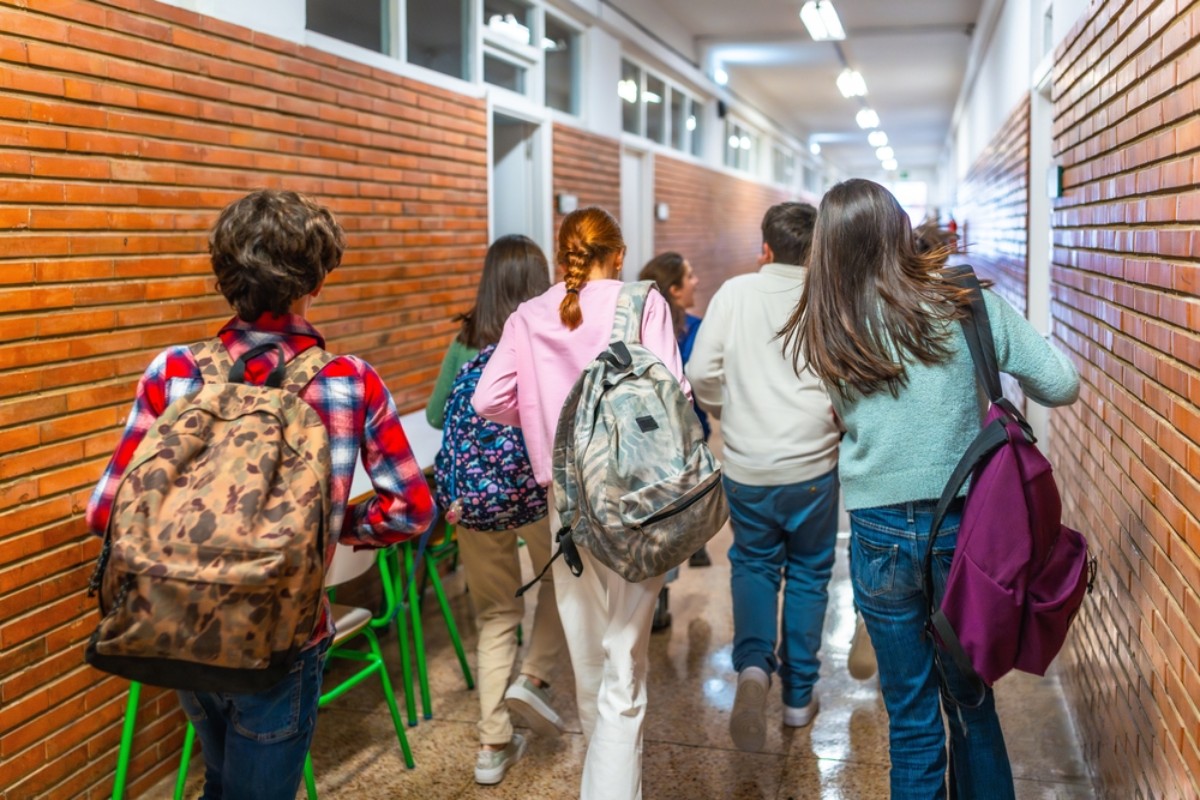
Enrollment Falls in Big City Schools Amid Parent Shift to Alternative Options

As many parents in major cities across North America reassess their children’s educational needs, school enrollment in urban districts is experiencing significant declines. This trend is largely attributed to parents actively seeking alternative schooling options that they believe may better serve their children’s academic and social development. Reports indicate that some districts have seen enrollment drops of up to 20% over recent years, prompting discussions about the future of public education in these areas.
Factors Influencing Enrollment Declines
Several factors contribute to this shift in enrollment patterns. Many parents cite concerns about the quality of education in their local schools, particularly in light of recent academic performance metrics. For instance, standardized test scores have shown a troubling decline, leading parents to question whether their children are receiving the education they deserve. Additionally, safety concerns have been raised, with some parents feeling that their children may not be in a secure environment at school.
The COVID-19 pandemic has also played a significant role in this trend. Parents who experienced remote learning during the pandemic have become more aware of the educational alternatives available, including homeschooling and online learning platforms. As a result, many families are opting for these alternatives, believing they provide a more tailored educational experience for their children.
The Rise of Alternative Education Options
In response to the declining enrollment in public schools, various alternative education options have emerged. Charter schools, private institutions, and homeschooling have gained popularity among parents looking for more flexible and personalized educational environments. According to recent surveys, enrollment in charter schools has increased significantly, with many parents praising their innovative teaching methods and smaller class sizes.
Homeschooling, too, has seen a notable rise. Parents who choose to homeschool often cite the ability to customize their child’s curriculum and learning pace as major advantages. Resources and support networks for homeschooling families have expanded, making it easier for parents to navigate this educational path.
Implications for Public Schools
The decline in enrollment poses serious challenges for public school districts. With fewer students, schools may face budget cuts, leading to reduced resources, staff layoffs, and larger class sizes. This cycle can further exacerbate the issues that led parents to seek alternatives in the first place. Education experts warn that if public schools do not adapt to the changing needs of families, they risk losing even more students to alternative education options.
Some districts are beginning to respond to these challenges by implementing reforms aimed at improving educational quality and safety. Initiatives to enhance curriculum offerings, increase parental involvement, and create safer school environments are being explored. However, the effectiveness of these measures remains to be seen, and many parents are still skeptical about whether public schools can meet their expectations.
As these trends continue to unfold, it’s essential for parents to stay informed about the options available to them. Understanding the educational landscape can empower families to make choices that align with their values and priorities. Whether it’s exploring local charter schools, considering homeschooling, or advocating for improvements in public education, parents play a crucial role in shaping their children’s educational experiences.
What This Means For Parents
For parents navigating this evolving educational landscape, it’s important to weigh the pros and cons of each option. Factors such as curriculum, teaching style, and socialization opportunities should all be considered when making decisions. Engaging with other parents, attending school tours, and researching educational philosophies can provide valuable insights.
Additionally, parents should be aware of their rights and resources available to them in their respective districts. Many communities offer support groups for homeschooling families, as well as workshops and seminars on alternative education methods. By connecting with other families, parents can gain confidence in their choices and find support in their educational journey.
Ultimately, the decline in enrollment in big city schools reflects a broader conversation about education in North America. As parents seek better alternatives for their children, it’s crucial to foster an environment where all educational options are respected and explored. This ongoing dialogue will help ensure that every child has access to a quality education that meets their unique needs.








await for top-tier CBD products to lift your health? You bottom organic thc gummies directly from our trusted CBD store and relish the gain of double-dyed CBD petroleum and organic fertilizer extracts. Every deal of CBD is lab-tested, virginal, and word to slim casual tension piece boosting mental clarity. Whether you need a morning CBD encouragement or flush CBD relaxation, our blank CBD normal match your quotidian dead. distinguish high-quality CBD trace, CBD gummies, and CBD topicals built for maximal absorption. snitch CBD online now for riotous shipping!