A Mom Found Out Her Son Had Been Failing a Class All Semester Because a Teacher Was Grading Assignments He Never Actually Submitted, Using a Roster With the Wrong Kid’s Name

For most of the school year, Sarah Mitchell believed her 15-year-old son Tyler was struggling with a difficult class. She encouraged him to work harder, offered help with homework, and assumed his low grades were the result of missed opportunities. What she did not know was that the problem was not Tyler’s effort at all. A simple mistake involving a classroom record had quietly affected his grade for months and created a situation that left both the family and school searching for answers.
The Report Card That Made a Mother Stop and Look Closer
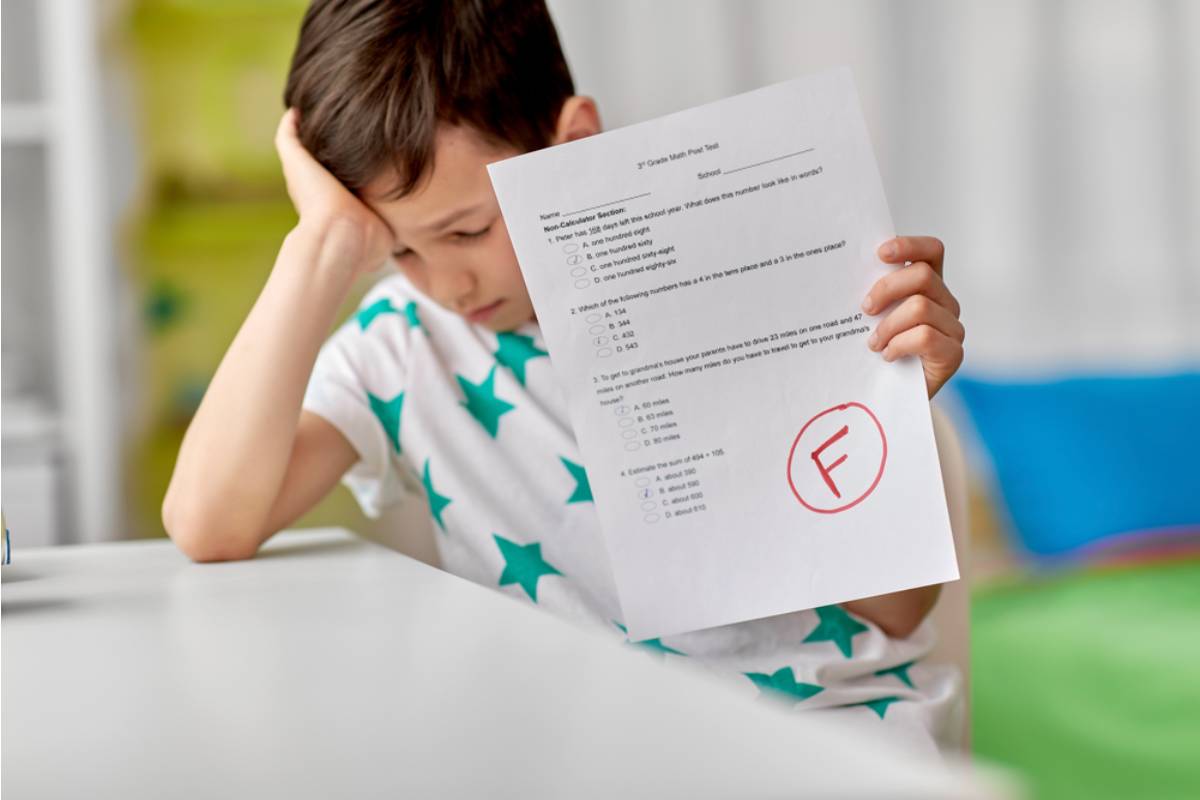
Sarah first became concerned when she opened Tyler’s progress report and saw that he was failing his tenth-grade history class. She was surprised because Tyler had always been an average but responsible student who rarely caused problems at school. When she asked him about the grade, he looked confused and said he thought he had been turning in his assignments.
Tyler explained that he completed several projects and class worksheets but admitted he was not always confident about his performance. Sarah believed him but assumed he might have misunderstood the teacher’s expectations. She decided to schedule a meeting with his history teacher, Mr. Andrew Collins, to figure out what was happening.
A Teacher Explains a Completely Different Story
During the meeting, Mr. Collins pulled up Tyler’s grade records and showed Sarah a long list of missing assignments. According to the system, Tyler had failed to submit multiple essays, quizzes, and research projects throughout the semester. The teacher explained that he had reminded Tyler several times about missing work and that the grade reflected the assignments listed in the system.
Sarah looked through the list carefully and noticed something strange. Some of the assignments marked missing were projects she remembered Tyler working on at home. She asked if she could see the actual submissions, but Mr. Collins said the online system showed that nothing had been turned in under Tyler’s name.
Tyler Realizes Something Does Not Add Up
After leaving the meeting, Sarah immediately asked Tyler to show her his school materials. Tyler opened his backpack and pulled out folders filled with completed assignments from the class. He had saved printed copies of essays, worksheets with teacher comments, and a research project he remembered presenting in front of the class.
Tyler became frustrated because he thought he had somehow lost credit despite doing the work. He told his mother that he remembered handing papers to the teacher and uploading some assignments online. Sarah realized this was not simply a student forgetting homework.
The First Clue Appears Inside the Classroom Records
Sarah contacted Mr. Collins again and asked him to review the submitted work with Tyler present. The teacher agreed and started comparing the physical papers with his grading records. As they looked through the documents, they noticed something unusual.
Several assignments Tyler had completed had comments and grades written on them, but those grades were attached to another student’s profile in the online system. Mr. Collins appeared confused because the papers were clearly from Tyler, yet the digital records showed a different name.
A Classroom Organization Mistake Comes to Light
After checking his files, Mr. Collins discovered that he had accidentally been using an outdated class roster at the beginning of the semester. Two students in the class had similar last names, and Tyler’s information had been mixed with another student’s record. The teacher had entered grades under the wrong student profile without realizing it.
The mistake affected more than one assignment because the incorrect roster remained in use for several months. Tyler’s completed work had been graded, but the grades were connected to another student’s account. Meanwhile, Tyler’s actual record showed missing assignments and failing marks.
The Student Behind the Other Name Gets Involved
The situation became more complicated when the other student, Marcus Reed, was contacted about the issue. Marcus was surprised because his grade had seemed unusually high, but he assumed he was performing better than expected. He had no idea that some of Tyler’s work had been included in his record.
Marcus’s parents also became involved because they wanted to understand how the error happened. They were concerned that their son’s academic record might also be affected by the mistake. What started as one student’s grade problem quickly became a larger issue involving multiple families.
The School Begins a Full Review of the Records
The assistant principal, Karen Wallace, launched a review of the history class records after learning about the mistake. Administrators checked assignment submissions, teacher comments, and digital grade entries from the entire semester. They wanted to determine exactly how many students were affected.
During the review, the school discovered that several assignments had been entered incorrectly. While Tyler’s case was the most serious because it changed his overall grade, administrators found that the problem came from a record management error rather than intentional misconduct.
Tyler’s Emotions Shift From Anger to Relief
At first, Tyler felt embarrassed because he believed everyone thought he had failed because he was lazy. He worried that teachers and classmates saw him as someone who did not care about school. After the school confirmed the mistake, he felt relieved but also disappointed that it had taken so long to discover.
He told his mother that the hardest part was believing he had failed despite doing what was expected of him. Sarah understood because she had spent months encouraging him to improve a problem that was not actually his fault. The experience changed how both of them viewed school communication.
The Teacher Faces Difficult Questions From Parents
Mr. Collins apologized to Sarah and Tyler for the confusion and admitted that he should have noticed the problem earlier. He explained that teachers manage hundreds of assignments and sometimes rely heavily on digital systems to organize information. However, he accepted responsibility for not catching the mismatch sooner.
Some parents questioned whether teachers should have stronger systems for verifying grades. Others defended Mr. Collins, saying mistakes can happen in large classrooms. The conversation became focused on improving procedures rather than blaming one person.
The School Corrects Tyler’s Grade
After the review was completed, the school corrected Tyler’s grade using the assignments he had actually submitted. His final average improved significantly once the missing work was replaced with the correct scores. The school also updated the records of the other affected students.
Tyler was relieved that his academic record finally reflected his effort. Sarah appreciated that the school acknowledged the mistake and worked to fix it instead of dismissing her concerns. She said the situation could have damaged her son’s confidence if nobody had investigated further.
New Rules Are Created After the Mistake
Following the incident, the school introduced new procedures for managing classroom records. Teachers were encouraged to verify student lists before entering grades and to review unusual patterns, such as a student suddenly receiving multiple missing assignments. The administration also reminded teachers to communicate with families earlier when grades changed dramatically.
The goal was not to create more paperwork but to prevent a similar situation from affecting another student. School officials believed that early communication between teachers, students, and parents could solve problems before they became overwhelming.
Tyler Learns to Keep Better Academic Records
Although Tyler had done nothing wrong, the experience taught him the importance of keeping copies of his work. He continued saving important assignments and checking his online grades regularly. He became more comfortable speaking up when something did not seem correct.
His mother also changed how she approached school concerns. Instead of assuming a grade reflected a student’s effort, she learned to ask questions and look for details behind the numbers. The experience made their communication stronger.
A Simple Error Leaves a Lasting Lesson
By the end of the school year, Tyler had moved past the frustration and focused on his future classes. The mistake that caused months of stress became a reminder that records do not always tell the full story. Behind every grade is a student, a teacher, and a process that depends on accuracy.
For Sarah, the biggest lesson was not about one wrong roster or one incorrect grade. It was about the importance of paying attention when something does not feel right. A single classroom error had nearly changed how her son saw himself as a student, but speaking up helped uncover the truth.