A Teacher Says She Noticed a Student Always Volunteered to Hand Out Papers and She Realized It Was Because Walking Around the Room Was the Only Time He Got to Move All Day

I have been teaching middle school long enough to recognize when a student’s habits mean something more than they appear. Every morning one of my students would be the first to raise his hand whenever I asked for someone to pass out worksheets, collect assignments, or deliver a note to the office. At first I assumed he simply enjoyed being helpful. The pattern continued every single day until I realized there was something unusual about how relieved he looked whenever he stood up. That realization completely changed the way I saw what was happening in my classroom.
The Same Hand Went Up Every Time
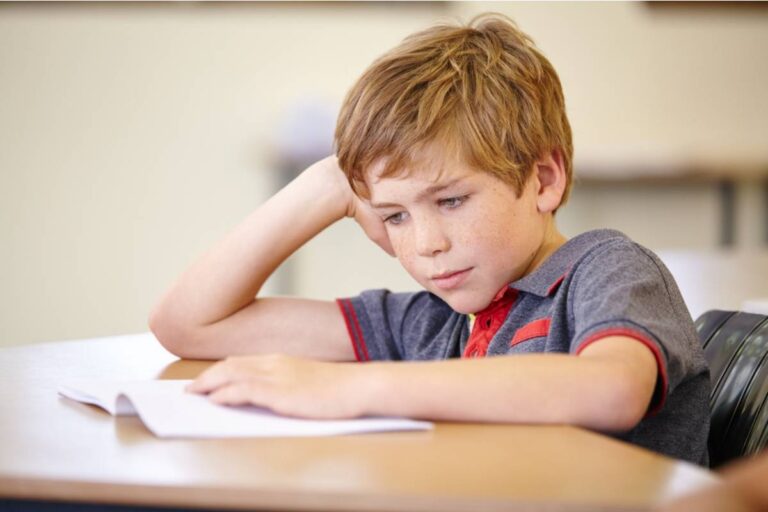
The moment I picked up a stack of papers, his hand shot into the air before I even finished asking for help. If another student was chosen instead, I could see disappointment flash across his face for just a second. He never complained or argued, but his shoulders dropped as he settled back into his chair. When he was selected, he smiled to himself while weaving through the rows of desks. It looked less like excitement over helping and more like relief.
A Classmate Made an Offhand Comment
One afternoon another student laughed and said, “He’ll do anything if it means he gets to walk around.” The room chuckled, but the boy did not. Instead, he quietly finished passing out the papers and returned to his seat without looking at anyone. His reaction stood out because he usually laughed with everyone else. That small moment stayed with me long after the class ended.
Recess Told a Different Story
During lunch duty I noticed he spent nearly the entire recess period sprinting from one side of the playground to the other. He rarely joined organized games and instead kept moving almost nonstop. When the bell rang, he slowed down, took a deep breath, and reluctantly walked back inside. It struck me that he seemed to be trying to fit an entire day’s worth of movement into one short break. I started wondering what the rest of his day looked like.
His Schedule Was Packed From Morning Until Night
I asked him one afternoon what sports he played after school. He shrugged and said he did not have time because he went straight from school to tutoring, then home to homework. He casually mentioned that most evenings were spent sitting at the dining room table until bedtime. He said it so matter of fact that it almost sounded normal to him. Hearing it out loud made me realize how little time he actually had to be a kid.
A Meeting With His Parents Changed Everything
During conferences I brought up how much he seemed to enjoy moving around the classroom. His parents looked surprised before exchanging an awkward glance. His father admitted they had been worried about his grades slipping, so they had filled nearly every afternoon with extra academic work. They believed keeping him focused would help him succeed. I gently suggested that his body seemed to be asking for something his schedule was not providing.
The School Counselor Shared Another Piece
After our meeting, the school counselor told me she had noticed something similar. She said he often volunteered to deliver messages between classrooms even when someone else had already offered. Whenever she saw him in the hallway, he walked a little slower than necessary before returning. She had assumed he simply liked helping teachers. Together we realized we had both been seeing different parts of the same story.
A Simple Classroom Change
The next week I introduced short movement breaks for the entire class between longer lessons. We stretched, stood up, or spent two minutes walking to different stations before sitting again. I expected a few students to enjoy the change. I did not expect the entire class to become more focused afterward. The boy who always volunteered no longer looked desperate for every opportunity to stand.
The Difference Showed Up in His Work
Within a couple of weeks his assignments became noticeably more consistent. He finished independent work without constantly shifting in his chair or staring out the window. Instead of rushing through problems, he took his time and made fewer careless mistakes. It was not because the lessons had become easier. He simply seemed more comfortable in his own skin.
A Quiet Conversation After Class
One afternoon he stayed behind while everyone else left. He smiled and said he liked the new movement breaks because they made the day feel shorter. Then he admitted something that caught me off guard. He said sitting still for hours made his legs feel like they wanted to run away without him. It was the kind of description only a child could come up with, but I understood exactly what he meant.
Other Students Started Speaking Up
After several weeks, more students began asking if they could stand while reading or pace quietly during certain assignments. I realized the classroom had become a place where students felt comfortable admitting what helped them learn. Nobody teased anyone for needing to move. Instead, they encouraged each other to stay focused in ways that worked best for them. The atmosphere became noticeably calmer.
His Parents Returned With Unexpected News
At the next conference his parents looked completely different from before. They admitted they had reduced his tutoring schedule and started taking evening walks together as a family. They were surprised to discover his grades had stayed strong even with fewer hours spent studying. More importantly, they said he seemed happier at home. His mother thanked me for noticing something they had overlooked for months.
The Lesson Stayed With Me Long Afterward
That school year reminded me that children often communicate their needs without saying a single word. His constant volunteering was never about avoiding work or seeking attention. It was his quiet way of asking for a chance to move in a day filled with sitting still. Since then, whenever I see a student repeating an unusual habit, I pause before making assumptions. Sometimes the smallest behavior is pointing toward the biggest need in the room.