A Mom Says Her Boyfriend Snatched His Phone Away From Their 9-Month-Old Daughter So Aggressively That She Fell and Hit Her Head, and What He Said Next Made Her Question Everything

A mother shared her story after a difficult night with her 9-month-old daughter turned into a moment she could not stop thinking about. The baby had been awake for nearly two hours, struggling to settle down, and her parents were taking turns trying to get her back to sleep. Although the little girl usually slept in her crib, there were occasions when her parents allowed her to sleep beside them if nothing else worked. That night, however, the situation became increasingly tense as exhaustion took over the household.
The baby also had a dirty diaper, which made her uncomfortable and fussy. Her father was supposed to be handling that shift, but he became irritated when he had to get up and help her. Instead of calmly dealing with the situation, he began slamming things around in a way that seemed intended to keep his partner awake, too. What should have been an ordinary, exhausting parenting moment was quickly turning into something far more troubling.
The Father Was Already Frustrated Before Anything Happened
The mother explained that her boyfriend appeared particularly impatient that night. Their daughter was struggling to sleep, and he seemed determined to get her to settle down rather than address everything she needed. The mother eventually became fully awake, realized the baby needed a diaper change, and stepped in to make sure the little girl was taken care of. Even then, the atmosphere remained tense, with her boyfriend continuing to show his frustration.
Eventually, he began changing the baby’s diaper on the floor. At first, it might have seemed like the situation was finally being handled, and the mother could have hoped that the difficult stretch of the night was almost over. But a seemingly ordinary moment involving a phone was about to change everything. Neither parent could have expected that a baby’s natural curiosity would become the center of such a frightening confrontation.
A Baby Reached for Something That Caught Her Attention
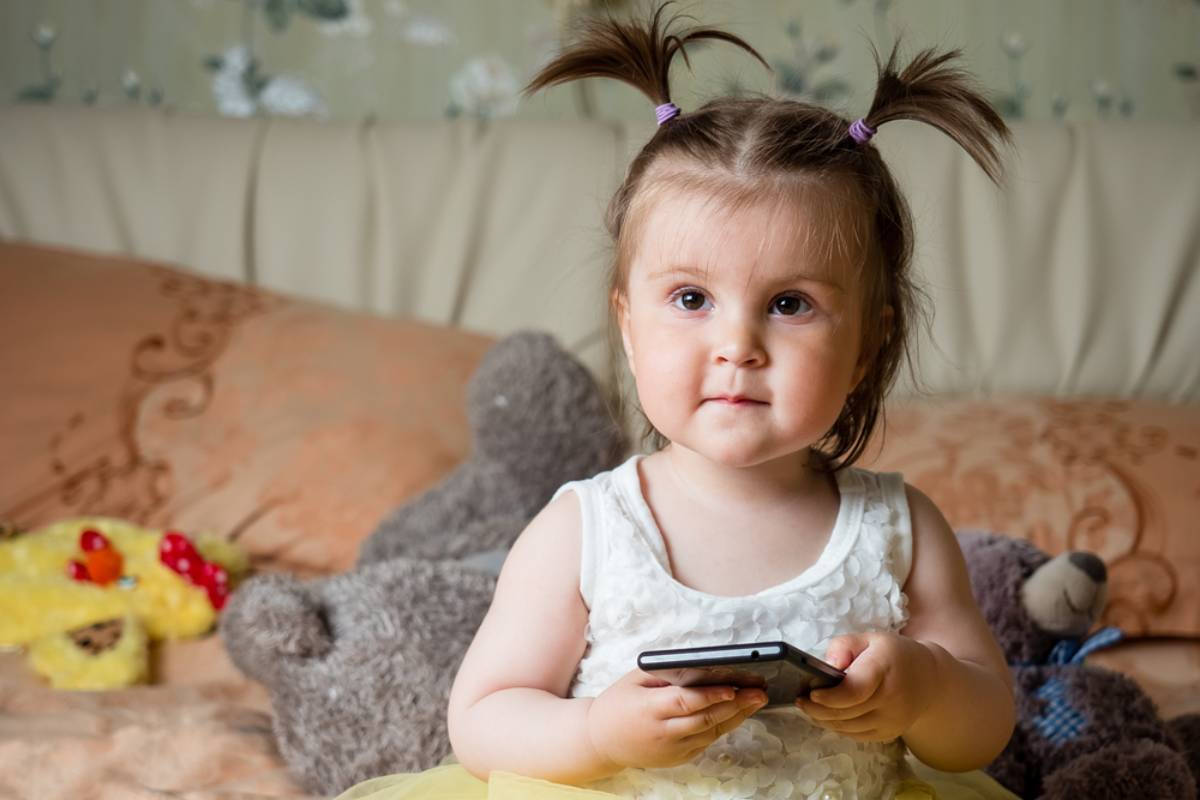
While her father was changing her, the little girl noticed his phone lying on the ground. Like many babies her age, she was curious about the objects around her and reached out to grab it. She had no understanding of personal belongings, nighttime routines, or why her father might be upset about someone touching his phone. To her, it was simply an interesting object within reach.
Her father returned to the room and saw what was happening. Rather than gently retrieving the phone or redirecting his daughter, he yelled at her and snatched it out of her hand so forcefully that she fell and hit her head. The mother was horrified by what she had witnessed, and her attention immediately shifted from the phone to the little girl. What made the incident even more disturbing was not just how aggressively he reacted, but what he said afterward.
His Explanation Made the Situation Even More Disturbing
The mother said her boyfriend insisted that their daughter deserved what had happened. According to her account, he blamed the baby for grabbing his phone at three in the morning when she should have been sleeping. His reaction left the mother struggling to understand how someone could hold a baby responsible for behaving like a baby. At just nine months old, their daughter could not possibly understand why reaching for a nearby object would provoke such anger.
The mother’s concern went beyond the fact that her daughter had fallen and hit her head. She was shaken by the idea that her boyfriend could become so angry with their child and then justify his behavior instead of recognizing the seriousness of what had happened. A baby cannot be expected to manage an adult’s emotions or anticipate an unpredictable reaction. For the mother, his explanation made it much harder to dismiss the incident as a moment of frustration.
The Mother Reacts in a Way She Never Expected
The mother admitted that she became overwhelmed with anger when she saw what had happened. In the heat of the moment, she poured water over her boyfriend and the bed before taking her daughter away from the situation. She knew her reaction had been intense, but she was struggling to process what she had just witnessed. Her immediate priority was getting her baby somewhere she felt safe.
She carried the little girl into the guest room, cuddled her until she calmed down, and locked the door. Instead of returning to bed and trying to forget the incident, she found herself replaying it repeatedly in her mind. The anger was mixed with fear, disbelief, and a painful question about whether she had truly known the person she was living with. What had happened in a few frightening moments was now making her reconsider the future of their relationship.
She Had Experienced Parenting Burnout Herself
One reason the mother found the incident so upsetting was that she understood how exhausting the early months of parenthood could be. She admitted that during the newborn stage, she had sometimes become so overwhelmed that she pulled at her own hair out of frustration. Sleep deprivation and the constant demands of caring for a baby had pushed her to emotional limits she had never experienced before. But she had learned that when things became too much, she could place her daughter somewhere safe and step away briefly to calm herself.
By the time the incident happened, their daughter was almost nine months old, and the mother felt she had grown more accustomed to the challenges of interrupted sleep. She knew that babies could be demanding, unpredictable, and difficult to settle, especially in the middle of the night. However, she did not believe exhaustion gave either parent permission to frighten or hurt their child. The difference between feeling overwhelmed and directing aggression at a helpless baby had become impossible for her to ignore.
The Weekend Had Already Left Her Exhausted
The mother also described feeling that the responsibilities at home had been unevenly shared over the preceding weekend. She said she had received little rest and had spent eight hours preparing meals while her boyfriend’s mother looked after the baby. Meanwhile, her boyfriend had spent time playing video games, leaving the mother feeling that she had carried much of the workload. That background made the nighttime incident feel like part of a larger problem rather than an isolated disagreement.
She had expected her partner to take responsibility during his shift, especially after she had already spent so much time working and caring for the household. Instead, he seemed angry about being woken up and having to deal with their daughter’s needs. The mother could understand that both parents needed rest, but she could not understand why the baby’s ordinary behavior had triggered such a severe reaction. By the time she settled into the guest room, she was questioning not only his actions but also whether their home was still a safe place for their daughter.
She Could Not Stop Thinking About What Might Happen Next
An hour after the incident, the mother was still awake, holding her daughter and trying to make sense of everything. She said she had never seen her boyfriend behave this way before and had previously considered him a sweet person. They even had a camera in the baby’s room, and she had not noticed anything through it that had raised similar concerns. Yet the fact that she had not seen earlier warning signs did little to reassure her after what had happened.
She began wondering whether this single incident could be enough to end their relationship. The thought was frightening because it meant reconsidering the life they had built together and the future she had imagined for their family. At the same time, she could not shake the image of her baby being handled aggressively and then blamed for it. She was left facing a difficult reality: loving someone and believing they are usually kind does not automatically make their behavior safe.
She Started Blaming Herself for Not Taking Over Sooner
Alongside her anger toward her boyfriend, the mother admitted that she was also blaming herself. She wondered whether she should have taken over the nighttime shift rather than allowing him to continue caring for the baby while frustrated. That thought added another layer of guilt to an already overwhelming situation. She was trying to work out whether she could have prevented what happened, even though she had not caused her boyfriend to react aggressively.
Parents often make decisions about sharing childcare based on trust, routine, and the belief that both adults can safely care for their child. The mother had expected her boyfriend to handle his responsibilities, just as she had handled hers during countless exhausting moments. She could not reasonably have anticipated that he would respond to a baby’s curiosity by snatching an object so forcefully that the child fell. Her self-blame reflected how shaken she was, but responsibility for his actions remained his.
Responses Urged Her to Put Her Daughter’s Safety First
After sharing her experience, the mother received responses from people who were deeply concerned about the baby’s safety. Several urged her not to dismiss the incident simply because her boyfriend had not behaved this way in the past. They emphasized that a baby cannot defend herself or understand an adult’s anger, making it especially important for the adults around her to remain calm and protective. Many believed the mother’s concerns were justified rather than dramatic.
Some responses also pointed out that a parent who feels overwhelmed can put a baby in a safe place, such as an appropriate crib, and step away briefly to regain control. That approach is very different from directing anger at the child or blaming the child for an adult’s reaction. Others encouraged the mother to seek support from trusted family members and prioritize her daughter’s well-being. The central message was clear: a baby’s safety must come before protecting a relationship from difficult questions.
One Response Raised a Particularly Frightening Warning
One response from a person described a disturbing experience involving a child who had been injured after an adult lost control. The account served as a reminder that aggressive reactions toward babies can have consequences far beyond the moment itself. Even when an adult claims not to have intended serious harm, forceful handling can put a young child at risk. The comparison made the mother’s concerns feel even more urgent.
Other people stressed that an incident does not need to become a repeated pattern before it deserves serious attention. A baby who is frightened or injured cannot explain what happened, and an adult’s explanation should not be accepted without considering the child’s safety. The mother had already witnessed her boyfriend justify his behavior instead of acknowledging that their daughter was too young to understand the situation. That response was one reason people urged her to take the incident seriously rather than waiting to see whether it happened again.
The Mother Began Making Plans to Leave
In a later update, the mother shared that her grandmother was going to help her return to her home state. She planned to leave with the baby and stay with her family for an extended period rather than remain in the same household with her boyfriend. She also prepared a letter explaining that she and the child were leaving and asking him to give them space. The decision was emotionally difficult, but she appeared to be moving from shock toward a concrete plan.
She explained that her father and best friend would help collect her belongings and the baby’s things. The letter also made clear that her daughter had not deserved to be hurt, even if her boyfriend claimed the incident was not intentional. By arranging support and communicating her plans, the mother was taking steps to create distance from a situation that had left her frightened. The story had moved beyond an argument in the middle of the night and into a major turning point for the family.
She Asked for Space Instead of Another Argument
The mother’s letter asked her boyfriend not to come after them and to respect the distance she was seeking. Rather than trying to resolve everything through another emotional confrontation, she was choosing to leave and give herself time to think. She also wanted him to understand that the issue was not simply the phone or the baby’s interrupted sleep. It was the decision to react aggressively toward a child who depended entirely on the adults around her.
Leaving a shared home can involve practical and emotional complications, particularly when both adults are parents of the same child. The mother was preparing to rely on family support while working through what had happened and deciding what should come next. Her decision did not erase the fear or uncertainty she felt, but it gave her a way to put immediate distance between her daughter and the situation. The next chapter would require careful decisions about safety, parenting arrangements, and the future of the relationship.
A Single Night Changed How She Saw Her Boyfriend
What made the story so unsettling was the contrast between the boyfriend the mother thought she knew and the behavior she witnessed that night. She had described him as someone who had previously been sweet, and she had not expected to see him react so aggressively toward their baby. That contrast left her questioning whether the incident revealed something she had never noticed or whether it marked a serious change in his behavior. Either way, she could no longer treat the event as an ordinary parenting disagreement.
The mother did not need to prove that the incident would happen again before taking her concerns seriously. Her daughter had already been hurt, and her boyfriend’s claim that the baby deserved it made the situation more troubling. The responses she received reinforced the importance of protecting the child, seeking support, and refusing to minimize aggressive behavior because it was supposedly out of character. In the end, a late-night struggle over sleep and a phone became the moment a mother began reconsidering everything she had believed about her family’s future.