A Dad Says His Son’s Karate Instructor Told the Class That Getting Injured “Builds Character” and Sent a Limping Kid Back Into Sparring

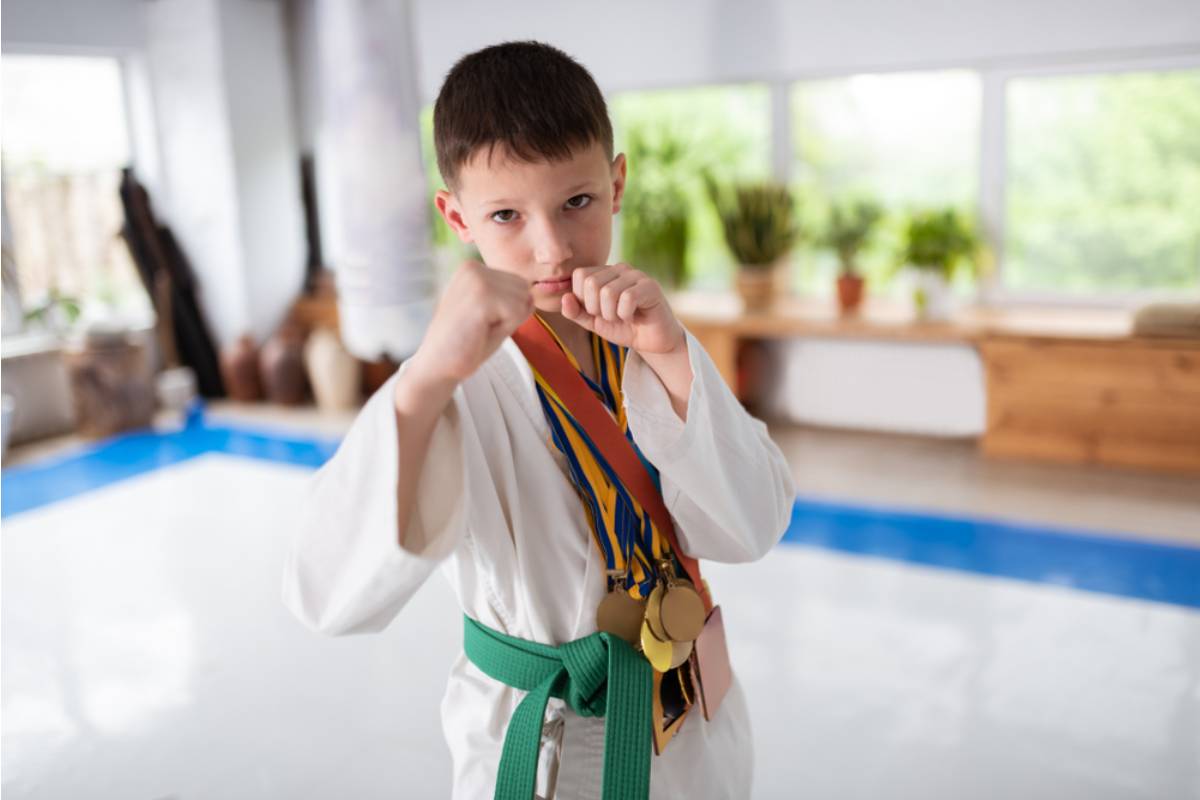
Kevin enrolled his twelve year old son, Mason, in karate because he wanted him to gain confidence, discipline, and respect. For nearly a year, everything seemed positive, and Mason looked forward to every class. That changed after one training session left Kevin questioning whether the values being taught inside the dojo still matched the ones that convinced him to sign up in the first place.
Training Had Always Felt Safe
The dojo had built a strong reputation in the community.
Parents often praised the instructors for teaching patience and self control instead of aggression.
Mason loved practicing forms at home and proudly demonstrated new techniques in the living room after every class.
Kevin appreciated that safety was always mentioned during introductory lessons.
He believed his son had found a healthy environment to grow.
A New Student Joined the Advanced Group
Early in the spring, the dojo welcomed a substitute instructor named Mr. Dalton.
He had years of martial arts experience and an impressive competition background.
Students admired his confidence almost immediately.
Unlike the regular instructor, however, Mr. Dalton emphasized pushing through discomfort above everything else.
Some parents thought his style looked more intense.
Others assumed he simply expected more from advanced students.
Sparring Became More Aggressive
Within a few weeks, Mason noticed practices changing.
Students were encouraged to spar longer without as many breaks.
Mr. Dalton frequently reminded them that “real growth begins when you’re uncomfortable.”
Several children struggled to keep up with the faster pace.
Even experienced students left class breathing harder than usual.
Mason still enjoyed training but admitted the atmosphere felt different.
One Match Ended Badly
During a partner drill, a younger student named Caleb stepped awkwardly while avoiding a kick.
He immediately grabbed his ankle and fell to one knee.
The room became unusually quiet.
Several classmates instinctively backed away.
Caleb tried standing but visibly winced and leaned heavily on one foot.
Everyone expected practice to stop.
Words That Shocked the Parents
Mr. Dalton walked toward Caleb and glanced briefly at the injured leg.
Then he addressed the class.
“Getting hurt builds character.”
He encouraged Caleb to shake it off and continue sparring.
The boy hesitated.
When Caleb limped toward the edge of the mat, the instructor motioned for him to return.
Several parents watching through the viewing window exchanged concerned looks.
Mason Couldn’t Focus Anymore
Although practice continued, Mason admitted later that he barely remembered his own drills.
He kept watching Caleb struggle through each movement.
The younger student tried hiding his pain because everyone else was still participating.
Mason felt uncomfortable but did not know whether students were allowed to question an instructor.
The class finished without another word about the injury.
Kevin noticed his son looked unusually quiet on the drive home.
Caleb’s Father Spoke First
Before Kevin even reached the parking lot exit, another parent knocked gently on his car window.
It was Caleb’s father.
He explained they were heading directly to an urgent care clinic because Caleb could barely put weight on his foot.
“I don’t think this should have happened.”
Kevin agreed.
The conversation lasted only a few minutes, but both fathers knew they needed answers.
The Diagnosis Changed Everything
The following day Caleb’s father shared an update with several families.
Doctors confirmed Caleb had suffered a significant ankle injury that required a protective boot and weeks away from sports.
Parents immediately began discussing what they had witnessed.
Many admitted they had felt uncomfortable but assumed the instructor knew best.
Now that assumption disappeared.
Questions spread quickly through the dojo community.
Students Started Sharing Their Experiences
Once parents began asking questions, more stories emerged.
One student described being discouraged from taking water breaks.
Another admitted he had hidden sore ribs because he feared looking weak.
Several children repeated similar phrases they had heard during class.
“Pain is temporary.”
“Don’t slow everyone else down.”
“Champions never stop.”
Kevin realized those comments had become part of the training culture.
A Meeting With the Dojo Owner
The dojo owner scheduled a meeting after receiving multiple concerns.
Parents described exactly what they had witnessed during sparring.
Kevin stayed calm while explaining how Mason interpreted the instructor’s comments.
He emphasized that martial arts should teach resilience without encouraging children to ignore possible injuries.
The owner listened carefully and took detailed notes.
He appeared genuinely surprised by the consistency of the complaints.
Video From the Security Camera
The dojo reviewed security footage from the training floor.
Although there was no audio, the video clearly showed Caleb limping before being directed back into position.
The owner compared the timing with witness statements from parents and students.
The sequence matched their accounts.
It became impossible to dismiss the incident as a misunderstanding.
The evidence confirmed that an injured child had continued participating despite obvious difficulty walking.
The Instructor Faced Accountability
After completing the review, the dojo owner addressed every family.
Mr. Dalton would no longer teach classes at the facility.
The owner admitted that competitive success should never outweigh student safety.
He also introduced updated policies requiring instructors to immediately remove any student showing signs of injury until a parent evaluated the situation.
Parents appreciated the transparency.
Many felt relieved that their concerns had been taken seriously.
A Different Lesson Replaced the Old One
When regular classes resumed, the head instructor gathered every student before training began.
He spoke about courage in a way that surprised many of them.
“Real strength includes knowing when to stop.”
He explained that listening to pain, reporting injuries, and protecting training partners demonstrated maturity rather than weakness.
Students nodded quietly.
Mason later admitted those words made him feel much safer returning to practice.
Kevin Realized What Character Really Meant
Several months later Caleb returned to the dojo after fully recovering.
His classmates welcomed him warmly, and sparring sessions once again emphasized technique, control, and respect.
Kevin watched from the viewing area as students checked on one another after every drill, offering a hand whenever someone lost balance.
He realized that true character had nothing to do with ignoring pain or pretending injuries did not exist.
Character was built by protecting teammates, accepting responsibility, and placing people’s well being ahead of pride or competition. Mason continued practicing karate for many years, but the lesson he remembered most was not about winning matches or earning new belts. It was the day a group of parents spoke up together, reminding an entire dojo that discipline without compassion is incomplete, and that the strongest students are often the ones who know when to care for others before proving themselves.